
 Request A Quote


What Is the Best Color Temperature for Garden Lights
 FACEBOOK
 TWITTER
 LINKEDIN
When you plan your outdoor lighting, selecting the right light tone is just as important as the fixtures themselves. Color temperature describes the visual “warmth” or “coolness” of the light emitted by a bulb, and it fundamentally dictates your garden ambiance. It is not a measure of physical heat but rather a description of the light’s hue, which can range from a golden, candle-like glow to a crisp, blue-white brilliance. Getting this balance right ensures your yard remains a sanctuary for relaxation while providing the necessary clarity for safe movement after the sun has set.
Practical selection depends on your primary goals for the space. If you want to create an inviting retreat for evening gatherings, your focus should be on visual comfort and soft transitions. However, for high-traffic areas where safety is the priority, you might lean toward tones that offer a sharper display contrast.
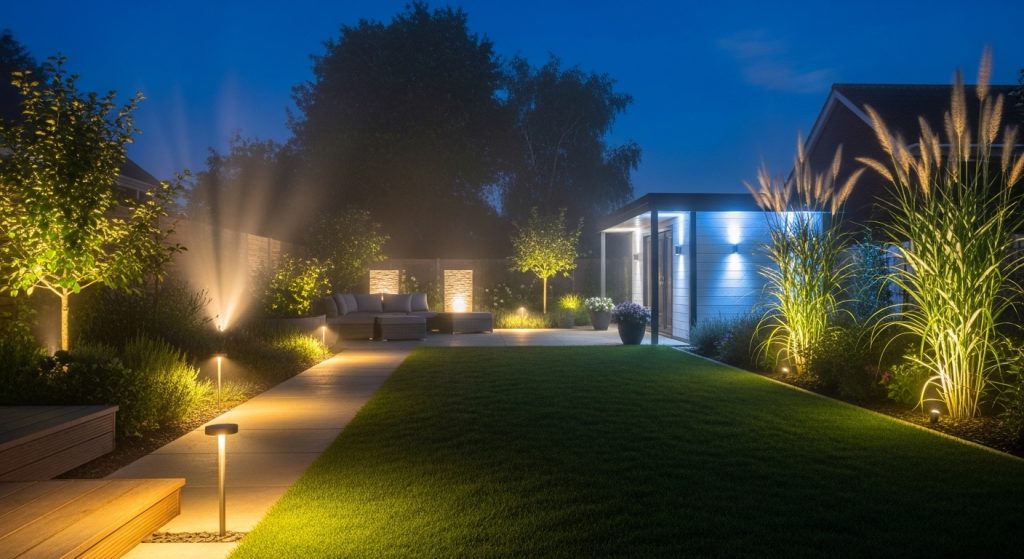
The choice between warm and cool tones is a design tool that allows you to “paint” your landscape with light, highlighting textures and defining boundaries. By matching the temperature to the specific usage and mood of each zone, you ensure your garden serves your needs both functionally and aesthetically. This systematic approach ensures every step you take in your yard feels natural and secure.
What color temperature means in outdoor lighting
In lighting design, color temperature is measured on the Kelvin scale, providing a standardized way to describe the appearance of light. Low Kelvin numbers (2000K–3000K) represent visual warmth, producing a yellow or orange hue similar to a sunset or a traditional incandescent bulb. As the numbers increase (4000K–6000K), the light tone becomes cooler, shifting toward a bright white and eventually a clinical blue that mimics the intensity of high-noon daylight.
This measurement is vital because it changes how your eyes perceive the environment. Warm light tends to soften edges and create a cozy feel, while cool light provides higher contrast and makes details “pop.” Understanding where your fixtures sit on this scale allows you to predict how they will interact with your plants, stone paths, and home exterior. It is the core metric that defines whether your outdoor space feels like a private lounge or a bright transit zone.
How warm color temperatures influence the look and feel of garden lights
Choosing warm lighting, typically in the 2700K to 3000K range, is the fastest way to build an inviting ambient atmosphere. This golden glow is naturally relaxing to the human eye, making it the preferred choice for residential settings. It mimics the light of a fire or a low sun, which our brains associate with winding down at the end of the day. This creates a sense of visual comfort that encourages guests to linger on a patio or in a seating area without feeling “over-exposed.”
Warm tones are particularly effective at enhancing the natural colors of wood, brick, and reddish-toned plants. Instead of washing out the landscape, this hue adds a layer of richness and depth to the textures of your garden. It creates soft shadows that add to the mystery and beauty of the night. If your goal is to turn your backyard into a cozy extension of your indoor living space, staying on the lower end of the Kelvin scale ensures a harmonious and sophisticated result that feels timeless.
How cool color temperatures influence mood and visibility in gardens
Cool lighting, often falling between 4000K and 5000K, produces a crisp, energetic light that can improve contrast perception. This tone is often perceived as “brighter” than warm light, even at the same lumen output, because it mimics the clarity of overcast daylight. It triggers a sense of visual alertness, which is useful for areas where you need to perform specific tasks or move quickly. For security purposes, cool light can make it easier to see fine details and identify objects from a distance.
While cool light can sometimes feel stark if overused, it is excellent for highlighting modern architecture or providing a “moonlight” effect from high-mounted fixtures. It brings out the vibrant greens of foliage and the clean lines of stainless steel or silver aluminum posts. If you have a modern garden theme with sleek materials, a cooler tone can make the space feel high-tech and sharp. Using these tones strategically ensures that high-activity areas are perfectly visible, providing the functional clarity that busy family gardens often require.
When warm color temperature works best in garden lighting
Warm tones are the gold standard for creating a high-end residential ambiance. You should prioritize these hues for seating areas, outdoor dining tables, and fire pits where the goal is relaxation. In these intimate zones, a cozy glow prevents the space from feeling clinical and helps people feel more at ease. It is also the ideal choice for accent lighting on stone walls or wooden fences, as the yellow undertones bring out the earthy “warmth” of those materials.
Using warm light for uplighting trees and shrubs creates a natural, soft look that doesn’t distract from the environment. Because it is less likely to produce harsh glare, it is much easier to manage in small courtyards or enclosed patios. If your outdoor project is focused on social gatherings and “chill-out” zones, sticking to the warmer side of the scale ensures your garden remains a welcoming retreat for your family and friends.
When cool color temperature works well for outdoor garden areas
Cooler temperatures are most effective when you need to maximize pathway clarity and security. For main walkways, stairs, or driveways, the visual contrast provided by 4000K+ light ensures that every step and obstacle is clearly defined. This is purely functional lighting intended to prevent trips and falls. Cool light is also a great choice for play areas, sports courts, or outdoor kitchens where you need to see exactly what you are doing.
Another professional use for cool light is “moonlighting.” By placing a cool-toned fixture high in a tree and pointing it downward, you can mimic the natural blue-white glow of a full moon. This creates beautiful, dappled shadows on the ground below while providing enough light to navigate. If you have security cameras, they often perform better under cooler light as it provides a sharper image. In these scenarios, the trade-off in “coziness” is worth the gain in safety and operational detail.
Why mixing color temperatures may benefit some garden designs
A sophisticated layered lighting strategy often uses both warm and cool tones to define different zones. You can use a visual hierarchy to guide people through the space; for example, you might use warm light for a social seating area and cool light for the steps and paths leading to it. This distinction helps the brain subconsciously identify “active” versus “rest” zones. Using a cool-toned light to high-light a distant fountain while keeping the immediate patio warm adds a sense of immense depth to the yard.
The key to mixing accent + task light is to ensure the transition is deliberate. You don’t want a warm and cool light hitting the same plant from different angles, as this can look messy. Instead, use cool light for high-mounted safety fixtures and warm light for low-level decorative pieces. This approach allows you to enjoy the best of both worlds: a yard that feels cozy and inviting for a party, but is also sharp and safe for navigating on a dark, rainy night.
Common mistakes in choosing garden light color temperature
One of the most frequent design errors is a tone mismatch, where fixtures of wildly different temperatures are placed randomly throughout the yard. This creates a disjointed look that can be disorienting. Another common blunder is choosing a light based solely on its “brightness” without considering the Kelvin scale. A cool light might look brighter in the store, but it can create a harsh, uninviting visual imbalance once it is installed in your private garden.
Planners also sometimes ignore the “spill” of light into the home. If your garden lights are a stark blue-white but your indoor lights are a warm yellow, the view through your windows will look unnatural and clashing. Finally, avoid using cool lights near bedroom windows, as the blue-tinted light can interfere with sleep patterns. To avoid these blunders, you should view your garden as a single, unified project and choose a primary temperature that supports your overall desired mood.
Simple checks before finalizing color temperature for garden lighting
Before you purchase your bulbs or fixtures, a thorough use-case review ensures your design intent is met. This selection checklist helps you avoid the frustration of an “over-lit” or “clinical-looking” garden. By verifying your goals for each zone, you can move forward with a plan that enhances your home’s value and beauty.
- Main Goal: Is the area for relaxation (Warm) or high-activity/security (Cool)?
- Surface Materials: Are you lighting warm-colored brick/wood (Warm) or grey stone/metal (Cool)?
- Sightlines: How does the light look from inside your warm-lit living room?
- Plant Choice: Are you highlighting deep green foliage (Cool) or colorful flowers (Warm)?
- Height & Spread: Will the fixture be high-mounted (can be Cool) or at eye-level (should be Warm)?
- Neighbors: Will a cool-toned light cause an annoying glare for the house next door?
- Safety Needs: Do you have stairs or uneven ground that require high visual contrast?
What are garden post top landscape lighting systems used in outdoor settings
Garden post top landscape lighting refers to the category of outdoor lighting where the fixture sits on a vertical pole. These post top fixtures are the primary source of ambient light for paths and large yards. The choice of color temperature here is critical, as these lights are often the most visible elements in the garden, defining the overall “feel” of your outdoor space as soon as you step outside.
How do solar landscape lamp posts relate to color temperature planning
A Solar landscape lamp post provides solar lighting that is completely independent of your power grid. When you perform your tone selection, you must decide if you want the soft, decorative look of a warm LED or the high-visibility performance of a cool one. Many solar posts now offer a switch to choose between temperatures, allowing you to adjust the ambiance based on the season or the occasion.
Why aluminum 3M and 4M garden lights are relevant to tone and material planning
When using Aluminum 3m 4m garden light poles, the material finish of the pole (like black or silver) interacts with the color temperature. A warm light on a black pole creates a classic, high-end look, while a cool light on a silver pole feels modern and tech-focused. At a post height of 3 or 4 meters, the light has room to spread, making the choice of tone even more impactful for your yard’s overall glow.
How should lamp post height guide color temperature choice for pathways and spaces
Your Garden lamp post height guide should inform your vision comfort strategy. Generally, as the lamp height increases, you have more freedom to use cooler tones without causing direct glare. Shorter posts that sit closer to eye-level should almost always be warm to prevent discomfort, while taller poles can use cooler, more energetic tones to cover a wider pathway efficiently.
How sunlight exposure affects perception of color temperature in solar lights
The amount of Solar garden lights sunlight received during the day ensures the battery has enough power to maintain its intended perceived tone. If a battery is low, the light may appear dimmer or “shifted” in color. Strong sunlight impact ensures that your warm-toned LEDs stay golden and your cool-toned ones stay crisp throughout the entire night, providing a consistent look for your landscape.
Final Thought
Choosing the best color temperature for your garden is a balance between the cozy feel you want and the safety you need. By prioritizing warm tones for social areas and cooler tones for task-heavy paths, you create a professional, multi-layered environment. When you match the light tone to your garden’s architecture and usage, you ensure that your outdoor space remains a beautiful and safe retreat for years to come.



- 10 Meters Lamp Post
- 10 Meters Pole
- 1000w Led Projector
- 100W LED Tunnel Light
- 12 Meters Lamp Post
- 12 Meters Pole
- 1200w Led Projector
- 15 Light Pole
- 1500w Led Projector
- 150W LED Tunnel Light
- 1800w Led Projector
- 2 In 1 Solar Flood Light
- 200w Led Tunnel Light
- 50w Led Tunnel Light
- 6 Meters Lamp Post
- 6 Meters Pole
- 8 Meters Lamp Post
- 8 Meters Pole
- 800w Led Projector
- 80w Led Tunnel Light
- Colourful Decorative Light
- Conical post
- Courtyard Lamp
- courtyard light
- courtyard lighting fixture
- Decorative Landscape Light
- Decorative road Light
- Flood Light For Courtyard
- Flood Light for Garden
- Flood Light For Outdoor
- Foot Led High Bay Lights
- high bay led lights 100w
- industrial lampshade
- industrial LED shed lights
- industrial magnifying glass with light
- Integrated Solar Flood Light
- led courtyard lamp
- led courtyard light
- led high bay light 100w
- LED Projector For Stadium
- Led UFO High Bay 150W 5000k
- Lighting Plants Mining Price
- Maintenance Free LED Street Light
- Pic Controlling Tunnel Light
- PLC controlling tunnel light
- Post Top Garden Light
- RGB Landscape Light
- Rgbw Decorative Light
- Smart Tunnel Light
- solar courtyard lamp
- solar courtyard light
- Solar LED Road Light
- Solar Street Light For 10 Meter Pole
- Solar Street Light For 12 Meter Pole
- Solar Street Light For 6 Meter Pole
- Solar Street Light For 8 Meter Pole
- Split Type Solar Flood Light
- Sporting Projector
- Stadium Led Projector
- Street Lighting Post
