LED Modular Flood Light Scalable Outdoor Systems
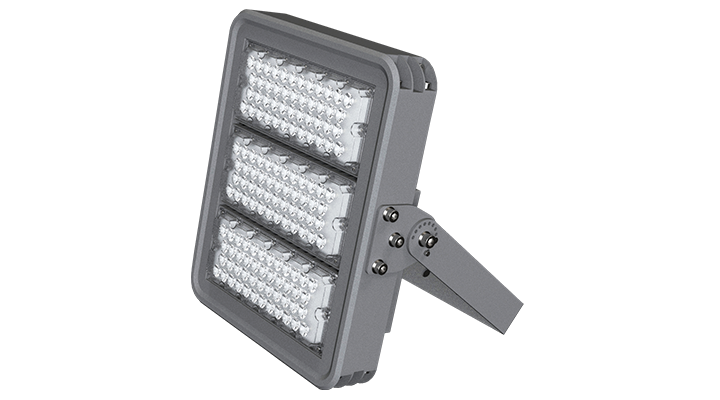
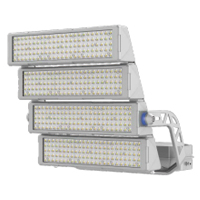
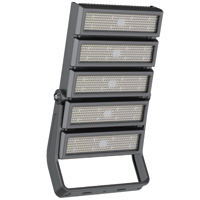
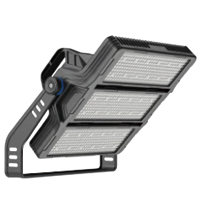
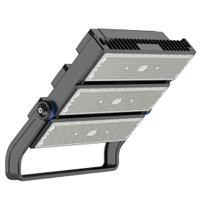
An LED modular flood light system represents a significant shift from traditional fixed fixtures to a highly adaptable scalable illumination strategy. In these systems, a single light unit is composed of multiple independent LED modules mounted on a shared frame. This modular design allows for a level of customization and future-proofing that one-piece fixtures simply cannot match. By treating light output as a series of building blocks, you can tailor the intensity and beam spread to the specific geometry of your site. This is particularly critical in large area lighting projects where different zones—such as a loading dock versus a perimeter fence—require varying levels of brightness and throw.
The primary advantage of modularity is its inherent scalability. As an outdoor space grows or its security needs change, you can increase the lumen output by adding more modules to the existing frame rather than replacing the entire system. This flexibility extends to maintenance as well; if a single component fails, only that specific module needs to be serviced or replaced, significantly reducing downtime and long-term costs. For outdoor lighting systems used in industrial yards, facades, or phased construction projects, modular flood lights provide a high-performance solution that evolves with the environment. By focusing on adaptability and component flexibility, modular systems ensure that your outdoor illumination remains efficient, reliable, and perfectly suited to your site’s unique requirements.
What makes a flood light “modular” and why it matters outdoors
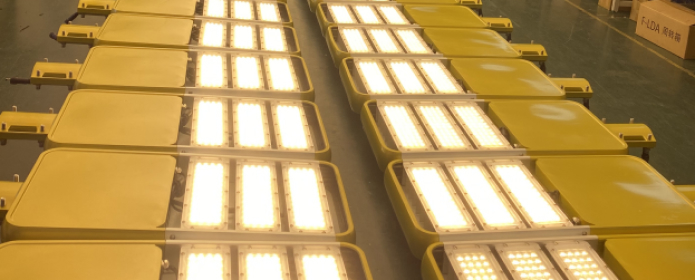
In a modular flood light, the internal components—including the LED engine, heat sink, and sometimes the driver—are separated into distinct, self-contained units. This contrast with integrated fixtures means the modular design is not a static one-size-fits-all solution but a dynamic assembly. Each module typically features its own optic lens, allowing for a mix-and-match approach to beam angles within a single housing. This component flexibility is vital in complex outdoor environments where you might need one part of the light to provide a narrow, long-distance beam while another module provides a wide-angle wash.

This structural separation also plays a massive role in installation adaptability. Because the modules are independent, they can often be aimed or tilted individually to reach specific targets without having to adjust the entire mounting bracket. This level of precision is essential for illuminating irregular facades or avoiding light spill into neighboring areas. By moving away from the “one-piece” mentality, modularity allows for a more surgical and professional approach to outdoor lighting, ensuring every watt of power is directed exactly where it is needed most.
Why scalability is a key advantage of modular flood systems
The most compelling reason to choose scalable illumination is the ability to grow the system alongside your facility. In many commercial and industrial projects, spaces are developed in phases. Modular systems allow you to start with a base level of lighting and add more modules as new storage yards or parking zones come online. This expandable systems approach minimizes initial capital expenditure while ensuring that the future scalable output of the system is never compromised.
Furthermore, modularity acts as a form of “future-proofing.” As LED technology continues to improve, you can upgrade specific modules to newer, more efficient versions without having to tear out the entire infrastructure. This longevity is a massive benefit for large area lighting, where the cost of high-lift equipment for installation and replacement can be significant. By choosing an expandable architecture, you ensure your outdoor lighting remains at the cutting edge of performance without the waste and expense of full-fixture replacements.
How modular flood lights support performance at different outdoor heights
The performance scaling of a modular system is directly tied to the mounting height of the project. As you install lights higher up on poles or buildings, the light naturally dissipates over the distance. A modular setup allows you to compensate for this by simply increasing the module count on a single fixture, providing the “punch” needed to reach the ground with the necessary lux levels. This ensures that even at extreme heights, you can maintain uniform illumination across the entire yard.
Coordinating your module count with your mounting strategy is the key to a balanced layout. For example, a light mounted at 20 feet might only need two modules with a wide beam, whereas the same area lit from 40 feet would require four modules with a narrower, more concentrated light distribution. This ability to tune the fixture’s output to its height prevents the “hazy” or dim lighting often seen when standard fixtures are mounted too high. Modular designs ensure the light is always optimized for the specific elevation of the site.
How modular lights compare to traditional COB flood lights
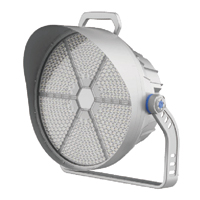
A system comparison between modular units and COB (Chip on Board) flood lights reveals two different philosophies. COB lighting is known for providing a very high, concentrated output from a single point source, which is excellent for a fixed, powerful wash. However, COB units are typically “all-or-nothing” designs; if the chip or the driver fails, the entire fixture goes dark. This can lead to dangerous dark zones in high-security outdoor areas.
In contrast, modular vs one-piece designs offer much higher resilience. If one module in a four-module system fails, the other three continue to provide 75% of the light, maintaining safety until a repair can be made. Additionally, modular units offer a level of customization in light distribution that COB fixtures cannot match. While COB is a great cost-effective choice for simple, fixed applications, modular systems are the superior choice for professional environments that demand high reliability, tailored beam control, and simplified maintenance.
Where modular flood lighting systems shine outdoors
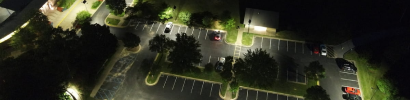
Modular systems are the definitive choice for wide-area coverage in industrial and public spaces. They are frequently used as industrial lighting for shipping ports, rail yards, and logistics centers where the environment is constantly changing. In these outdoor zones, the ability to re-aim individual modules ensures high-traffic areas remain safe even if the physical layout of the containers or equipment is modified.
They are also ideal for building perimeters and facades. Because you can combine different beam angles in one fixture, you can light a tall architectural feature with a narrow beam while simultaneously washing the surrounding sidewalk with a wider spread. This versatility makes them a favorite for city planners and architects who need to balance security with aesthetic appeal. By providing a single fixture that can handle multiple lighting tasks, modular systems reduce the number of units needed on a wall, resulting in a cleaner and more professional appearance for the property.
How glare control integrates with modular flood lighting
High-output lighting often risks creating aggressive glare, which can be a safety hazard for drivers and a nuisance for neighbors. Glare mitigation in modular systems is achieved through a combination of individual module optics and specialized shielding design. Because each module is smaller and more focused than a giant COB chip, manufacturers can apply more precise lens technology to each one, directing the light downward and away from the direct line of sight.
Improving visual comfort does not have to come at the expense of light output. By using “cutoff” shields or internal baffles on specific modules, you can “trim” the light so it doesn’t spill into the sky or through a neighbor’s window. This level of control is essential for sports courts, parking lots, and residential boundaries. Modular systems allow you to fine-tune the “cutoff” for each part of the light, ensuring the illumination remains functional for safety while protecting the comfort of everyone in the surrounding area.
What are common pitfalls when planning modular outdoor flood lighting?
One of the most frequent planning errors is “over-modularizing” a small space. For a simple backyard or a small storefront, a single-piece flood light is often more cost-effective and easier to install. Another common blunder is misjudging the coverage gaps. If the modules within a fixture are not angled correctly to overlap their beams, you can end up with “zebra stripes” of light and shadow on the ground, which is disorienting for security cameras and human eyes.
Ignoring maintenance access is another major system mismatch. While modularity makes the actual repair easier, you still need to be able to reach the light. If a fixture is mounted in a location that requires a specialized crane to access, the “ease of repair” offered by the modular design is partially negated by the high cost of the lift. To avoid these blunders, always conduct a thorough site survey and use a lighting map to visualize the overlap before committing to a permanent installation.
What are the key criteria for selecting a modular flood lighting system?
Before finalizing your planning guidance, use this selection checklist to ensure your hardware matches the reality of your site. Choosing a system based on these performance criteria ensures a professional, durable, and scalable result for your outdoor project.
- Space Geometry: Does the system offer enough module flexibility to cover your specific site shape?
- Expansion Plans: Is the frame designed to accept more modules in the future for scalable illumination?
- Beam Precision: Can you mix-and-match narrow and wide angles for uniform illumination?
- IP Rating: Does the system carry a high waterproof rating (e.g., IP65+) for long-term outdoor protection?
- Maintenance Ease: Are the modules truly independent and easy to swap without specialized tools?
- Weight & Wind Load: Can your existing poles or walls handle the weight of a larger modular fixture?
- Visual Comfort: Does the design include options for glare mitigation to protect neighbors?
How flood lights, high bay, and sports lighting systems connect to modular outdoor solutions
Flood lights, high bay and sports lighting represent the three pillars of wide-area illumination. In many outdoor systems, modular flood lights bridge the gap between these categories. They offer the high output of a sports light with the mounting flexibility of a standard flood light, making them a versatile tool for any large-scale industrial or public project.
How COB flood lights differ from modular flood lighting setups
Reviewing the LED COB flood light provides a clear contrast to modular alternatives. While COB lighting is excellent for compact, high-intensity washes, it lacks the scalability and tailored beam control of a modular system. Understanding this difference helps you choose the right architecture for your specific site—prioritizing simplicity for small tasks or flexibility for large, complex ones.
How ceiling height impacts outdoor and modular flood light planning
Following a High bay lights ceiling height guide is essential for determining your module needs. The mounting height of your fixture significantly dictates the required scalable output. By planning your module count in coordination with the height, you ensure the light reaches the ground with the necessary intensity to support safety and coverage planning.
What glare control strategies improve comfort in high-output outdoor lighting systems
The guide to Reduce glare sports lighting is vital for maintaining visual comfort in large installations. Through advanced glare mitigation and shielding, you can prevent the blinding effects of high-intensity outdoor lights. This is a critical consideration for modular systems, where each module’s angle must be carefully tuned to provide clarity without causing distraction.
- 10 Meters Lamp Post
- 10 Meters Pole
- 1000w Led Projector
- 100W LED Tunnel Light
- 12 Meters Lamp Post
- 12 Meters Pole
- 1200w Led Projector
- 15 Light Pole
- 1500w Led Projector
- 150W LED Tunnel Light
- 1800w Led Projector
- 2 In 1 Solar Flood Light
- 200w Led Tunnel Light
- 50w Led Tunnel Light
- 6 Meters Lamp Post
- 6 Meters Pole
- 8 Meters Lamp Post
- 8 Meters Pole
- 800w Led Projector
- 80w Led Tunnel Light
- Colourful Decorative Light
- Conical post
- Courtyard Lamp
- courtyard light
- courtyard lighting fixture
- Decorative Landscape Light
- Decorative road Light
- Flood Light For Courtyard
- Flood Light for Garden
- Flood Light For Outdoor
- Foot Led High Bay Lights
- high bay led lights 100w
- industrial lampshade
- industrial LED shed lights
- industrial magnifying glass with light
- Integrated Solar Flood Light
- led courtyard lamp
- led courtyard light
- led high bay light 100w
- LED Projector For Stadium
- Led UFO High Bay 150W 5000k
- Lighting Plants Mining Price
- Maintenance Free LED Street Light
- Pic Controlling Tunnel Light
- PLC controlling tunnel light
- Post Top Garden Light
- RGB Landscape Light
- Rgbw Decorative Light
- Smart Tunnel Light
- solar courtyard lamp
- solar courtyard light
- Solar LED Road Light
- Solar Street Light For 10 Meter Pole
- Solar Street Light For 12 Meter Pole
- Solar Street Light For 6 Meter Pole
- Solar Street Light For 8 Meter Pole
- Split Type Solar Flood Light
- Sporting Projector
- Stadium Led Projector
- Street Lighting Post
FACEBOOK
TWITTER
LINKEDIN