
 Request A Quote


What Materials Are Best for Outdoor Lawn Light Fixtures
 FACEBOOK
 TWITTER
 LINKEDIN
Selecting the right housing for your yard is a decision that determines whether your investment thrives or fails after a single season. The primary goal of material durability is to withstand constant weather exposure, which includes a harsh cycle of UV rays, rain, and temperature shifts.
Unlike indoor lamps, lawn lights are subjected to high moisture levels from soil and irrigation, as well as the abrasive nature of wind-driven dust. Choosing a high-quality material is not just about looks; it is about ensuring the internal electronics remain protected through superior corrosion resistance and structural integrity.
In real-world outdoor environments, metals like aluminum and stainless steel are the gold standard for outdoor performance. While plastic alternatives may offer a lower upfront cost, they often become brittle and fade under intense sunlight.
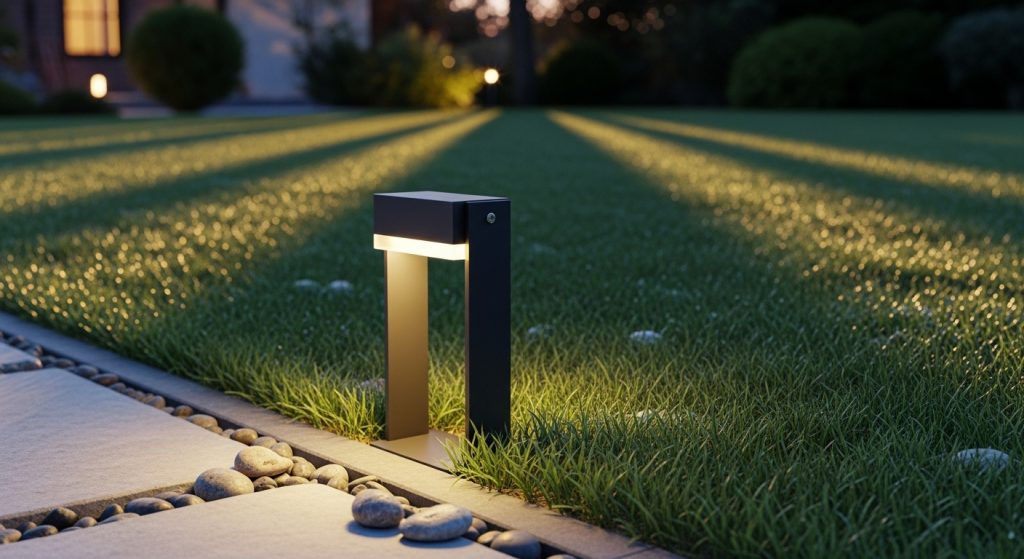
A robust material selection ensures that the fixture maintains its material finish and architectural appeal over years of use. By matching the hardware to your specific local climate—whether you face salty coastal air or heavy winter snow—you can significantly reduce maintenance expectations and prevent early failure. Informed material choices allow your landscape to remain bright and beautiful, providing the safety and ambiance you expect without the need for frequent replacements.
Why material choice directly affects outdoor lawn light lifespan
Lawn lights face relentless environmental stress from the moment they are installed. At ground level, fixtures are exposed to high concentrations of moisture, fertilizers, and lawn care chemicals that can quickly degrade low-grade surfaces. Outdoor exposure to ultraviolet (UV) radiation is particularly damaging to non-metallic materials, causing them to crack or warp, which eventually breaks the internal seals and leads to electrical short-circuiting.
The relationship between quality and long-term durability is absolute. When a housing fails, it isn’t just an aesthetic problem; it creates an entry point for water and dust to destroy the LED and battery. High-quality materials act as a protective vault for these components, ensuring the light functions at peak efficiency for its entire rated life. Investing in superior construction from the start is the only way to guarantee that your property remains safely illuminated through every season.
What metal materials are commonly used in lawn light fixtures
Metal construction is the preferred choice for professional-grade landscape lighting because it provides the necessary structural strength to withstand physical impacts from yard work or accidental bumps. Aluminum, steel, and stainless steel are the most prevalent options, each offering a unique balance of weight and resilience. These metals are often finished with a specialized surface coating, such as powder coating, to add an extra layer of defense against the elements while enhancing the fixture’s visual appeal.
Aluminum is prized for being lightweight yet sturdy, making it easy to install in a variety of soil conditions. Steel is significantly heavier and offers immense strength, making it ideal for high-traffic zones. Stainless steel provides a modern, high-tech look and is naturally resistant to many environmental threats without requiring thick paint layers. Understanding these differences allows you to select a fixture that not only fits your design aesthetic but also possesses the physical brawn required to handle the daily rigors of an outdoor garden.
How aluminum performs in outdoor lawn lighting applications
An aluminum housing is arguably the most versatile material for garden lighting due to its natural rust resistance. Unlike iron-based metals, aluminum develops a thin, protective oxide layer that prevents deep corrosion from taking hold. This makes it an exceptional choice for maintaining long-term durability in wet or humid climates. Furthermore, its lightweight nature simplifies installation, allowing for stable placement on poles or spikes without the need for heavy foundations.
From a maintenance perspective, aluminum is a “set it and forget it” material. It requires very low maintenance to retain its appearance over time, especially when finished with a high-quality architectural powder coat. This finish bonds to the metal to prevent peeling or bubbling, ensuring the light looks as sharp in year five as it did on day one. For most residential and commercial paths, aluminum provides the perfect intersection of performance, cost-efficiency, and lasting beauty.
When steel or stainless steel is a better material choice
For public plazas, driveways, or areas where fixtures might be bumped by vehicles or heavy foot traffic, the structural durability of steel is unmatched. Heavy-duty steel bollards provide the highest level of impact resistance, ensuring the light remains upright and functional even in heavy-duty use scenarios. To prevent rust, these fixtures typically require a robust protective coating, such as galvanization or high-performance marine-grade paint.
Stainless steel is the premier choice for coastal environments or minimalist modern designs. Its high chromium content provides innate resistance to salt-air corrosion, which can quickly pit and destroy other metals. While it carries a higher price point, the long-term trade-off is a fixture that never rusts and requires minimal cleaning. When your site conditions involve extreme weather or high physical risk, opting for the raw strength of steel ensures your lighting system stays secure and reliable for the long haul.
How decorative designs influence material selection
Modern decorative lighting trends, such as perforated or geometric patterns, rely heavily on design precision that only certain materials can provide. Laser-cutting intricate patterns into a fixture requires a metal that can maintain its structural integrity even when a large portion of the surface has been removed. Aluminum and high-grade steel are ideal for these applications, as they can be precisely machined into complex shapes without warping or weakening.
The material finish also plays a role in how these patterns are perceived. A matte black finish on a geometric fixture can hide the source of the light, emphasizing the sharp lines and shadows, while a metallic finish can reflect the glow to create a softer ambiance. Balancing these aesthetic goals with durability is the key to a successful project. By choosing materials that support fine craftsmanship, you ensure your garden lights act as sculptural focal points during the day while providing stunning light effects at night.
How waterproofing and IP ratings relate to material performance
The effectiveness of IP protection is entirely dependent on how well the fixture’s housing maintains its shape. A high-quality material ensures that weather sealing remains tight over time; if a housing warps due to heat or cold, the rubber gaskets can no longer prevent moisture resistance issues. Sturdy metals like aluminum provide a stable frame that keeps these seals compressed and airtight, effectively locking out rain and dust.
Material quality also influences how the light handles internal condensation. High-performance housings are designed to dissipate heat effectively, preventing the temperature fluctuations that often pull moisture into cheaper fixtures. By selecting a material that supports a high IP rating, you are ensuring that the internal “light engine” stays in a factory-clean environment. This synergy between the outer shell and the internal seals is what determines whether your light will survive a heavy monsoon or a dusty summer windstorm.
Common material mistakes that reduce outdoor fixture lifespan
One of the most frequent material mismatches is using “indoor-look” fixtures that haven’t been treated for outdoor exposure. Many homeowners are lured by low prices, only to find that the finish peels within months or the metal begins to rust at the joints. This leads to early failure and frustrating maintenance issues, as the fixture must be replaced entirely rather than simply cleaned.
Ignoring the specific needs of your location is another common blunder. For example, using standard powder-coated steel in a coastal area with high salt spray will almost certainly lead to rapid corrosion. Similarly, choosing brittle plastic for a path near a driveway often results in cracked housings from minor impacts. To avoid these blunders, you should always prioritize the physical environment over the initial price tag. Choosing the right material from the start saves time, money, and effort, ensuring your landscape stays bright and beautiful for years.
What checklist helps confirm the right material choice
Before finalizing your purchase, a thorough performance planning review ensures your fixtures are a perfect match for your yard. This selection checklist helps you catch potential issues before the lights are in the ground, guaranteeing a professional and durable result.
- Climate Check: Does the material offer high rust resistance for your local humidity or salt levels?
- Usage Context: Is the area high-traffic (needs Steel) or a quiet garden (Aluminum)?
- Finish Review: Is the material finish UV-resistant to prevent fading and peeling?
- Design Match: Does the material support the design precision of your chosen style?
- IP Validation: Is the housing rigid enough to maintain a high waterproof rating?
- Maintenance Level: Are you prepared for the cleaning needs of the chosen metal?
- Longevity Goal: Does the material durability match the expected lifespan of your landscape design?
What lawn bollard pathway lighting systems typically use for materials
Lawn bollard pathway lighting fixtures are the primary choice for guiding movement across a yard. These bollard fixtures are typically constructed from aluminum or stainless steel to ensure they can withstand the constant moisture found at ground level. Choosing high-quality pathway lighting materials is the most important step in keeping your walkways safe and attractive for the long term.
Why outdoor waterproof lawn lights depend on material quality
Investing in Outdoor waterproof lawn lights requires a focus on waterproof construction. A high-quality metal housing provides the necessary structural support for the internal gaskets and seals that offer weather protection. Without a durable material, these seals can fail over time, making material choice the foundation of any reliable outdoor lighting system.
How geometric outdoor lawn lights use materials for structural precision
A Geometric outdoor lawn light relies on material precision to maintain its sharp angles and clean lines. These geometric design units are often made from thick-gauge aluminum to ensure they don’t bend or warp, keeping the modern aesthetic of your garden pristine while providing a safe and steady glow every night.
Why modern perforated lawn lights require durable materials
The intricate patterns of a Modern perforated lawn light demand high structural integrity. Because the perforated design involves removing parts of the metal housing, the remaining material must be strong enough to withstand wind and impact. Using durable metals ensures the decorative patterns remain sharp and the fixture stays secure in any outdoor environment.
How IP rating standards depend on fixture materials
The Lawn lights IP rating guide explains how material sealing protects your lights from the elements. A high IP rating is only possible if the fixture’s material can maintain a tight, unyielding bond with its internal gaskets. By choosing the right material, you ensure that your lights stay dust-tight and water-resistant through even the harshest storms.


- 10 Meters Lamp Post
- 10 Meters Pole
- 1000w Led Projector
- 100W LED Tunnel Light
- 12 Meters Lamp Post
- 12 Meters Pole
- 1200w Led Projector
- 15 Light Pole
- 1500w Led Projector
- 150W LED Tunnel Light
- 1800w Led Projector
- 2 In 1 Solar Flood Light
- 200w Led Tunnel Light
- 50w Led Tunnel Light
- 6 Meters Lamp Post
- 6 Meters Pole
- 8 Meters Lamp Post
- 8 Meters Pole
- 800w Led Projector
- 80w Led Tunnel Light
- Colourful Decorative Light
- Conical post
- Courtyard Lamp
- courtyard light
- courtyard lighting fixture
- Decorative Landscape Light
- Decorative road Light
- Flood Light For Courtyard
- Flood Light for Garden
- Flood Light For Outdoor
- Foot Led High Bay Lights
- high bay led lights 100w
- industrial lampshade
- industrial LED shed lights
- industrial magnifying glass with light
- Integrated Solar Flood Light
- led courtyard lamp
- led courtyard light
- led high bay light 100w
- LED Projector For Stadium
- Led UFO High Bay 150W 5000k
- Lighting Plants Mining Price
- Maintenance Free LED Street Light
- Pic Controlling Tunnel Light
- PLC controlling tunnel light
- Post Top Garden Light
- RGB Landscape Light
- Rgbw Decorative Light
- Smart Tunnel Light
- solar courtyard lamp
- solar courtyard light
- Solar LED Road Light
- Solar Street Light For 10 Meter Pole
- Solar Street Light For 12 Meter Pole
- Solar Street Light For 6 Meter Pole
- Solar Street Light For 8 Meter Pole
- Split Type Solar Flood Light
- Sporting Projector
- Stadium Led Projector
- Street Lighting Post
