
 Request A Quote


Modern Perforated Lawn Light Decorative Patterns
 FACEBOOK
 TWITTER
 LINKEDIN
Modern perforated lawn lights represent a sophisticated evolution in decorative lighting, where the fixture itself becomes a canvas for artistry. These lights are defined by laser-cut or etched designs on the outer casing, allowing light to leak through specific openings rather than through a traditional clear lens. By utilizing patterned illumination, these fixtures do more than just fight off the darkness; they project intricate art directly onto your grass, stone paths, and garden walls. This approach shifts the focus from the light source to the atmosphere it creates, significantly boosting the outdoor ambiance of any yard or commercial plaza.
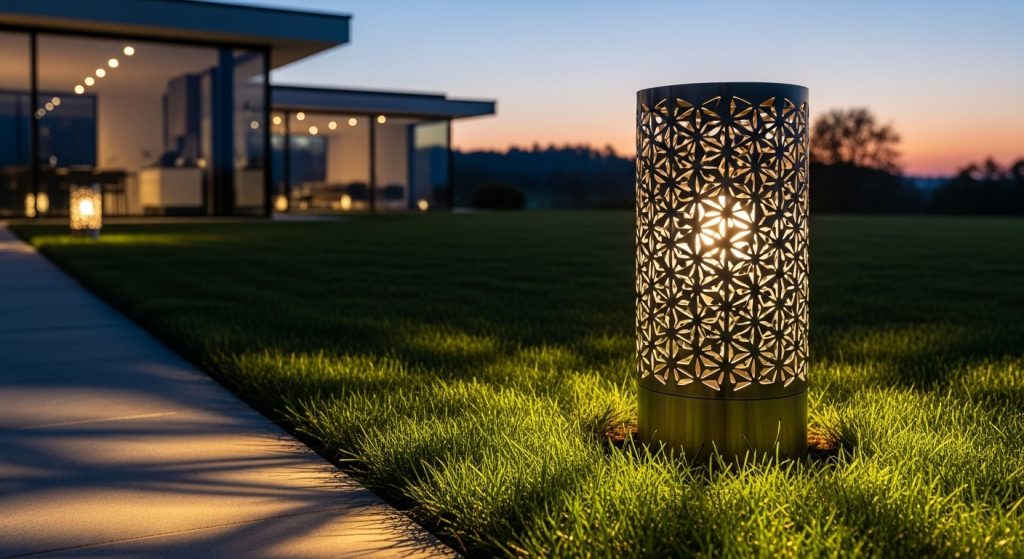
The role of these patterns is to add a layer of visual texture that standard garden lights simply cannot match. In a modern garden design, these fixtures act as sculptural elements during the day and light-painting tools at night. Choosing a specific pattern allows you to influence the mood of your space, whether you want a rhythmic, geometric look or a soft, organic feel. By carefully planning the placement of these perforated units, you create a multi-dimensional environment where light and shadow dance together. This systematic approach ensures your lighting serves both a functional purpose for safety and a decorative one for beauty, making your outdoor spaces feel more intentional and high-end.
What defines a perforated lawn light and how patterns are created
At its core, a perforated lawn light is a vertical bollard or post where the metal housing has been intentionally interrupted by a specific perforation technique. Manufacturers use high-precision lasers to cut holes, abstract shapes, or complex motifs directly into materials like aluminum or galvanized steel. This creates a specialized design language where the light is filtered by the solid parts of the casing, ensuring that light penetration only happens where the designer intended.
The quality of the pattern depends heavily on the precision of these cutouts. Fine etches create subtle, glowing lines, while larger holes cast bold, distinct shapes on the ground. Because these lights don’t rely on a single large glass pane, they offer a unique way to manage where the light goes. By choosing different hole sizes and arrangements, you can control the transparency of the light post, turning a heavy metal structure into a delicate, glowing lantern that defines the edges of your property with style.
How decorative patterns change light and shadow effects in gardens
The most striking feature of these fixtures is the light and shadow interplay they cast across your yard. Unlike a standard light that provides a flat, even wash, a perforated light creates a 360-degree projection of its internal design. As the light passes through the cutouts, it expands, casting enlarged versions of the pattern on the pavement or grass. This creates a sense of visual rhythm that guides the eye and adds a layer of sophistication to a simple garden path.
Pattern density plays a vital role in the final look. If the holes are close together, the result is a bright, airy glow with soft-edged shadows. If the pattern is sparse, the shadows become sharp and dramatic, creating high-contrast silhouettes that look like modern art. This dynamic behavior changes as you move around the fixture; the patterns shift and overlap, giving the garden a living, breathing feel. By selecting a pattern that moves and grows with the garden, you turn a static walkway into an immersive visual experience.
Why modern perforated styles are popular in contemporary landscape designs
Modern architecture often relies on clean lines and bold textures, and perforated lights offer the perfect design synergy to match. These fixtures are frequently used to bridge the gap between a home’s structured exterior and the organic shapes of the garden. Because the patterns can be custom-made to reflect the geometry of a house, they create a sense of modern aesthetics that makes the lighting feel like a permanent, built-in feature rather than an afterthought.
These lights are also excellent for creating a landscape contrast. In a yard filled with soft plants and rounded bushes, a sharp, perforated metal post stands out as a focal point. It provides a visual anchor that defines zones in the yard, such as a seating area or a transition point in a path. By choosing patterns that complement other elements—like a lattice fence or a patterned patio—you create a unified look that makes the entire property feel professionally curated and visually interesting.
How pattern shapes influence atmosphere and theme in outdoor spaces
The shape of the perforations dictates the personality of your light. Organic forms, such as leaf veins, branch silhouettes, or flowing waves, create a relaxed and tranquil mood. These are perfect for zen gardens or private retreats where you want the lighting to feel like a natural part of the greenery. They soften the hard edges of the metal fixture, making it feel more at home among the trees and shrubs.
Conversely, geometric motifs—like honeycombs, triangles, or stacked squares—provide a high-tech, energetic feel. These work best in modern plazas, minimalist courtyards, or near pools where you want to emphasize a sense of thematic cohesion with the architecture. The choice of pattern shape is your primary tool for setting the tone; a geometric pattern feels structured and secure, while an organic one feels artistic and whimsical. By matching the pattern to the site’s theme, you ensure the lighting enhances the intended vibe of the space.
What practical light output considerations accompany decorative patterns
While beauty is key, brightness planning must remain a priority. A fixture with a very dense, solid casing and only a few small holes might look stunning as a piece of art but fail as a source of safety. You must ensure a functional balance where the pattern allows enough light through to safely illuminate the walking surface. If the holes are too small, you may end up with a spotty path that is difficult to navigate.
The size and spacing of the perforations also affect the decorative impact. Larger cutouts provide more throw, allowing the pattern to reach further across the lawn. However, if the light source inside is too bright and the holes are too big, you might experience glare. Most high-end perforated lights use internal diffusers—like a frosted inner sleeve—to soften the light before it hits the casing. This ensures that the projected pattern is clear and beautiful while remaining comfortable for the eyes of anyone walking nearby.
How landscaping and surfaces interact with perforated light patterns
The success of your pattern depends heavily on the canvas it hits. A surface interaction with a smooth concrete path will yield a crisp, perfectly defined image of the pattern. However, if that same light is placed next to a textured stone wall or a row of ornamental grasses, the pattern will break up and wrap around those objects. This creates visual layering that adds immense depth to the garden, making the lighting feel like it is part of the plants themselves.
You can use the plant backdrop to your advantage by placing perforated lights where the shadows will play off the underside of tree canopies or the broad leaves of hostas. This turns every plant into a decorative feature. To maximize the effect, think about the color of the surfaces; lighter-colored stones or light-grey pavers will catch the pattern much better than dark mulch or black asphalt. By choosing the right spot for each light, you turn your entire yard into a living gallery of light and shadow.
What common mistakes reduce decorative pattern impact
A frequent design error is a pattern mismatch, such as using a delicate floral pattern in a high-tech industrial courtyard. Another common blunder is choosing a pattern that is too sparse for a primary walkway. If the light only peeks through a few tiny holes, you end up with a lighting imbalance where the path is mostly dark, creating a safety hazard. You must ensure that the safety light and the art light work together.
Overusing these fixtures can also be a mistake. If every light in your yard casts a complex pattern, the space can become visually cluttered and disorienting. It is often better to use perforated lights as feature pieces at key intersections or entries, while using simpler, non-patterned lights for the rest of the path. This creates a clear hierarchy and ensures that the decorative patterns remain special and impactful rather than overwhelming the senses.
What checks to complete before selecting perforated lawn lights
Before you finalize your order, a thorough aesthetic review ensures the hardware matches your landscape’s reality. This design checklist helps you avoid the install and regret cycle by matching the pattern to the space. Taking these steps now ensures installation planning goes smoothly and the result is exactly what you envisioned.
- Style Check: Does the pattern (geometric vs. organic) match your home’s architecture?
- Safety Review: Does the pattern density allow enough light for safe walking?
- Surface Audit: Will the pattern be projected on a surface that can catch the detail?
- Scale Match: Is the size of the fixture in proportion with your garden furniture and plants?
- Glare Check: Is there an internal diffuser to protect the visual comfort of users?
- Color Temperature: Will a warm glow or a cool white best highlight the pattern?
- Spacing: Have you planned the distance between lights to prevent pattern overlap from looking messy?
What lawn bollard pathway lighting includes in outdoor design contexts
Lawn bollard pathway lighting is the broader category for vertical fixtures used along grass edges. Adding perforated bollard fixtures to your pathway illumination plan is a way to upgrade from simple utility to high-end design. They provide the necessary guide for your feet while ensuring the path itself becomes a stunning visual feature of your yard.
Why outdoor waterproof lawn lights are essential for pattern longevity
Buying Outdoor waterproof lawn lights is the only way to protect your patterns. A high IP rating ensures weather durability, preventing water from entering the laser-cut openings and damaging the internal LED. Because perforated lights have many entry points for moisture, choosing a high-quality, sealed unit is vital for long-term performance in rainy climates.
How geometric outdoor lawn lights differ from perforated patterns
A Geometric outdoor lawn light focuses on the physical geometric design of the post itself (cubes, cylinders), whereas perforated lights focus on the light patterns they cast. While both are modern, the pattern variation in perforated lights offers more movement and texture on the ground, making them a more decorative choice for intimate garden spaces and courtyards.
Why IP ratings matter for lawn lights with decorative patterns
Reviewing a Lawn lights IP rating guide is critical for perforated styles. Because these fixtures have intricate cutouts, they need superior IP protection to keep dust and insects out of the light engine. Maintaining pattern durability means ensuring the light source stays clean and clear, so the projected image remains sharp and bright for years.
How material choices influence decorative pattern detailing and longevity
The Lawn light materials guide explains why material finish matters. High-quality aluminum allows for much finer pattern quality and cleaner laser cuts than cheaper materials. Choosing the right metal ensures the delicate details of your perforated design don’t corrode or soften over time, keeping your landscape lighting looking sharp and professional.



- 10 Meters Lamp Post
- 10 Meters Pole
- 1000w Led Projector
- 100W LED Tunnel Light
- 12 Meters Lamp Post
- 12 Meters Pole
- 1200w Led Projector
- 15 Light Pole
- 1500w Led Projector
- 150W LED Tunnel Light
- 1800w Led Projector
- 2 In 1 Solar Flood Light
- 200w Led Tunnel Light
- 50w Led Tunnel Light
- 6 Meters Lamp Post
- 6 Meters Pole
- 8 Meters Lamp Post
- 8 Meters Pole
- 800w Led Projector
- 80w Led Tunnel Light
- Colourful Decorative Light
- Conical post
- Courtyard Lamp
- courtyard light
- courtyard lighting fixture
- Decorative Landscape Light
- Decorative road Light
- Flood Light For Courtyard
- Flood Light for Garden
- Flood Light For Outdoor
- Foot Led High Bay Lights
- high bay led lights 100w
- industrial lampshade
- industrial LED shed lights
- industrial magnifying glass with light
- Integrated Solar Flood Light
- led courtyard lamp
- led courtyard light
- led high bay light 100w
- LED Projector For Stadium
- Led UFO High Bay 150W 5000k
- Lighting Plants Mining Price
- Maintenance Free LED Street Light
- Pic Controlling Tunnel Light
- PLC controlling tunnel light
- Post Top Garden Light
- RGB Landscape Light
- Rgbw Decorative Light
- Smart Tunnel Light
- solar courtyard lamp
- solar courtyard light
- Solar LED Road Light
- Solar Street Light For 10 Meter Pole
- Solar Street Light For 12 Meter Pole
- Solar Street Light For 6 Meter Pole
- Solar Street Light For 8 Meter Pole
- Split Type Solar Flood Light
- Sporting Projector
- Stadium Led Projector
- Street Lighting Post
