
 Request A Quote


Outdoor Waterproof Lawn Lights
 FACEBOOK
 TWITTER
 LINKEDIN
Lawn bollard pathway lighting serves as a foundational element of any sophisticated outdoor lighting design, bridging the gap between functional security and landscape beauty. These bollard fixtures are essentially short, vertical posts designed to cast light downward or outward, specifically illuminating walking surfaces without the intrusive glare of higher-mounted lamps. By placing them along grass edges and garden paths, you improve walkability and ensure that transitions between different outdoor zones are clear and safe. Effective planning transforms a dark yard into a navigable environment, using light to define boundaries and highlight the natural textures of your stone or gravel paths.
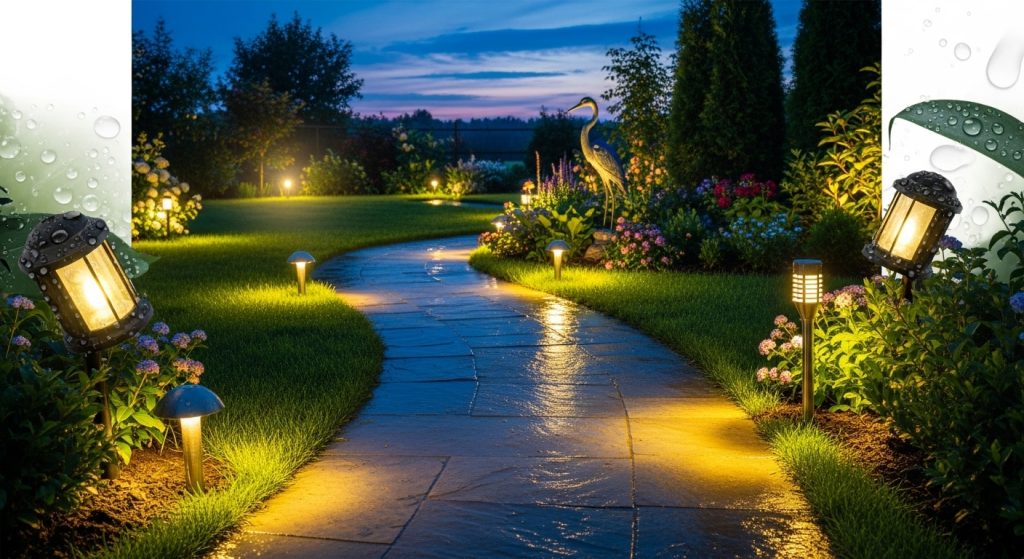
Beyond simple utility, these lights provide a sense of visual comfort that encourages people to enjoy the garden long after sunset. Choosing the right pathway illumination involves balancing the intensity of the light with the physical scale of your yard. If the lights are too bright, they can wash out the surrounding greenery; if they are too dim, they fail to provide the pedestrian safety required for high-traffic areas. By carefully considering brightness, spacing, and style, you can create a seamless glow that guides every step. Informed selection ensures that your lighting is not just an afterthought but a durable, attractive part of your home’s exterior character.
What are lawn bollard lights and why are they used for pathways
Lawn bollard lights are vertical, pole-like fixtures that sit low to the ground, typically ranging from 12 to 40 inches in height. Unlike “post lights” that provide wide-area light from a distance or “floodlights” that wash entire walls, bollards focus specifically on the ground immediately surrounding them. This makes them the ideal choice for guidance lighting, as they keep the light where your feet land. They provide a clear visual path, helping guests navigate winding walkways or changes in elevation with ease.
These fixtures are preferred for pedestrian safety because they minimize light spill into the sky and neighboring properties. Because the light source is shielded and directed toward the path, they offer high visibility without blinding people as they walk toward them. Whether used in a private backyard or a public housing society, bollards act as silent sentinels that mark the way, ensuring that the most important routes in your landscape are always well-defined and secure.
Which brightness levels work best for lawn pathway lighting
Selecting the correct intensity is a core part of brightness planning. You want enough light to see potential hazards—like a stray garden tool or a puddle—but not so much that it ruins the nighttime atmosphere. Most designers recommend lumens guidance in the range of 100 to 300 lumens per fixture for residential paths. This provides enough “punch” to show the texture of the ground while maintaining a soft, welcoming glow that protects your visual comfort.
Over-lighting is a common issue that causes “hot spots” of intense light followed by deep, confusing shadows. By keeping the brightness modest and focused, you allow the eye to adjust naturally to the dark environment. If your path is near a high-traffic entrance, you might lean toward the higher end of the lumen scale. For a quiet, winding garden trail, the lower end is often more appropriate. The goal is to create a steady, reliable guide that feels like a natural part of the evening landscape.
How spacing between bollard lights affects even illumination
The distance between your bollard fixtures dictates the “rhythm” of your lighting layout. Proper fixture spacing ensures uniform coverage, meaning there are no “black holes” where a walker might lose their footing. Generally, the taller the bollard, the wider the “pool” of light it casts, allowing you to space them further apart. A standard rule of thumb is to space them roughly 6 to 10 feet apart, depending on the beam spread of the specific lamp.
Achieving a consistent lighting rhythm prevents the “zebra stripe” effect of alternating bright and dark zones. When you plan your layout, you should ensure that the edges of the light pools overlap slightly. This creates a continuous ribbon of light that makes the path feel shorter and easier to follow. By coordinating the height of the pole with the distance between them, you maximize the efficiency of your hardware while ensuring the entire path is a safe and predictable route for everyone.
How shape and style of bollard lights influence outdoor ambiance
The fixture style you choose acts as an architectural statement during the day and a light-sculpting tool at night. Modern designers often choose between geometric designs—which offer clean, sharp lines—and perforated fixtures that cast intricate patterns on the ground. Your design choice should reflect the existing lines of your home. A sleek, square bollard complements a contemporary house, while a round, louvered post fits perfectly in a traditional or cottage-style garden.
Style also influences how the light is distributed. Some bollards offer a 360-degree spread to light up both the path and the surrounding flowers, while others are “shielded” to push light only onto the pavement. Achieving visual harmony means selecting a look that doesn’t compete with your landscape features. By picking a style that matches your aesthetic and functional needs, you ensure that the lighting adds a layer of sophistication to your property, making it look professionally designed.
How solar bollard options impact planning and performance
Choosing solar lighting offers the ultimate freedom in placement because you don’t have to dig trenches for wires. These units use integrated panels to gather energy during the day, making them an eco-friendly choice for remote areas of the yard. However, their performance reliability depends entirely on sunlight exposure. If you place a solar bollard under a thick tree canopy or on the north side of a tall wall, the battery may never reach a full charge, leading to a dim glow that fades shortly after dusk.
Planners must evaluate the “solar window” of each location before installation. In many cases, a hybrid approach works best: using wired bollards for the main security paths near the house and solar options for decorative trails further out. This ensures that your most important walkways stay bright every night, regardless of the weather. When placed in sunny spots, modern solar bollards can provide impressive brightness and run times, offering a cost-effective way to expand your lighting layout without increasing your power bill.
What material and finish considerations matter for outdoor bollards
Since bollards sit close to the ground, they are in constant contact with moisture, garden chemicals, and yard maintenance equipment. Your material selection is the biggest factor in the fixture’s longevity. Aluminum and stainless steel are the industry standards for weather durability because they resist rust and corrosion much better than plastic. A high-quality powder-coated finish adds another layer of protection, ensuring the color doesn’t peel or fade under intense UV rays.
Understanding the outdoor conditions of your site—such as proximity to salt spray or high-humidity zones—helps you pick the right metal. If you live near the coast, aluminum is often the better choice as it doesn’t pit like some lower grades of steel. By investing in heavy-duty materials from the start, you reduce the need for frequent replacements and ensure that your bollards remain a sharp, vertical element of your landscape for many years to come.
Common mistakes people make with pathway bollard lighting design
One of the most frequent design errors is the “runway effect,” where lights are placed in a perfect, straight line on both sides of a path. This can look industrial and harsh. Instead, staggering the lights on alternating sides of the path creates a softer, more natural feeling. Another common blunder is a planning pitfall involving brightness; choosing fixtures that are too powerful for a narrow path causes glare that makes it harder to see the surrounding garden.
Performance issues also arise when planners ignore the growth of their plants. A bollard that works perfectly in the spring might be completely swallowed by a bush by late summer. You must also account for the ground level; if the base of the bollard is buried too deep in mulch, moisture can seep into the seals and cause electrical failure. Avoiding these blunders requires a site survey that looks at the “big picture” of your garden’s future, ensuring that the lighting remains effective as the landscape matures.
What checks should be done before installing lawn bollard pathway lights
Before you finalize your layout, a thorough site assessment is necessary to ensure that your choices match the reality of your land. This design checklist acts as your final safeguard before construction begins, helping you avoid expensive field modifications. Taking these steps now ensures installation readiness and a professional result.
- Path Mapping: Measure the total length and width of the path to determine fixture count.
- Sunlight Audit: For solar options, verify each spot gets 4-6 hours of direct sun.
- Scale Check: Ensure the bollard height (e.g., 24″ vs 36″) fits the scale of nearby plants.
- Power Check: Locate existing outlets or decide on the best trenching routes for wired units.
- Obstacle Scan: Identify tree roots or underground pipes that might block installation.
- Brightness Test: Conduct a “night test” with a flashlight to see where shadows fall.
- Finish Match: Confirm the material and color coordinate with your home’s hardware.
Lawn bollard pathway lighting
Lawn bollard pathway lighting refers to the specific practice of using vertical post fixtures to guide movement across gardens. Proper bollard placement along the edges of the grass ensures that the walkway is clearly defined, reducing the risk of people stepping into flower beds or off the edge of a path.
Geometric outdoor lawn light
Choosing a Geometric outdoor lawn light adds a sharp, modern edge to your landscape. These decorative fixtures use bold, clean lines to complement contemporary architecture. They are often used as “focal point” geometric lighting that looks as good during the day as it does when it’s glowing at night.
Modern perforated lawn light
A Modern perforated lawn light is a premier choice for adding aesthetic impact to your yard. The laser-cut patterns create a stunning modern design by casting intricate light-and-shadow effects on the ground. These are ideal for areas where you want the lighting to feel like a piece of art.
Bollard light spacing guide
Following a professional Bollard light spacing guide is the only way to ensure uniform lighting. A clear spacing strategy helps you calculate exactly how many units you need to avoid dark gaps, ensuring that the entire path remains a safe and continuous route for your family and guests.
Solar bollard lights brightness
Reviewing Solar bollard lights brightness data helps you match the fixture to your safety needs. Since solar power is limited, checking the lumens reference ensures that the light is strong enough for the specific path width without draining the battery too quickly before dawn.



- 10 Meters Lamp Post
- 10 Meters Pole
- 1000w Led Projector
- 100W LED Tunnel Light
- 12 Meters Lamp Post
- 12 Meters Pole
- 1200w Led Projector
- 15 Light Pole
- 1500w Led Projector
- 150W LED Tunnel Light
- 1800w Led Projector
- 2 In 1 Solar Flood Light
- 200w Led Tunnel Light
- 50w Led Tunnel Light
- 6 Meters Lamp Post
- 6 Meters Pole
- 8 Meters Lamp Post
- 8 Meters Pole
- 800w Led Projector
- 80w Led Tunnel Light
- Colourful Decorative Light
- Conical post
- Courtyard Lamp
- courtyard light
- courtyard lighting fixture
- Decorative Landscape Light
- Decorative road Light
- Flood Light For Courtyard
- Flood Light for Garden
- Flood Light For Outdoor
- Foot Led High Bay Lights
- high bay led lights 100w
- industrial lampshade
- industrial LED shed lights
- industrial magnifying glass with light
- Integrated Solar Flood Light
- led courtyard lamp
- led courtyard light
- led high bay light 100w
- LED Projector For Stadium
- Led UFO High Bay 150W 5000k
- Lighting Plants Mining Price
- Maintenance Free LED Street Light
- Pic Controlling Tunnel Light
- PLC controlling tunnel light
- Post Top Garden Light
- RGB Landscape Light
- Rgbw Decorative Light
- Smart Tunnel Light
- solar courtyard lamp
- solar courtyard light
- Solar LED Road Light
- Solar Street Light For 10 Meter Pole
- Solar Street Light For 12 Meter Pole
- Solar Street Light For 6 Meter Pole
- Solar Street Light For 8 Meter Pole
- Split Type Solar Flood Light
- Sporting Projector
- Stadium Led Projector
- Street Lighting Post
