
 Request A Quote


Perforated Wall Lamp Outdoor Decorative Patterns
 FACEBOOK
 TWITTER
 LINKEDIN
Perforated outdoor wall lamps represent a sophisticated shift in decorative lighting, where the fixture itself serves as an artistic filter for light. These lamps are defined by a perforation design—intricate cutouts or etched motifs in the fixture housing—that allows light to escape in controlled, specific directions rather than through a traditional wide-open lens. This approach creates a unique patterned illumination that does more than just light a path; it “paints” your exterior walls and floors with light. By integrating these fixtures into your exterior ambiance, you add a layer of texture and depth that standard wall lights cannot replicate.
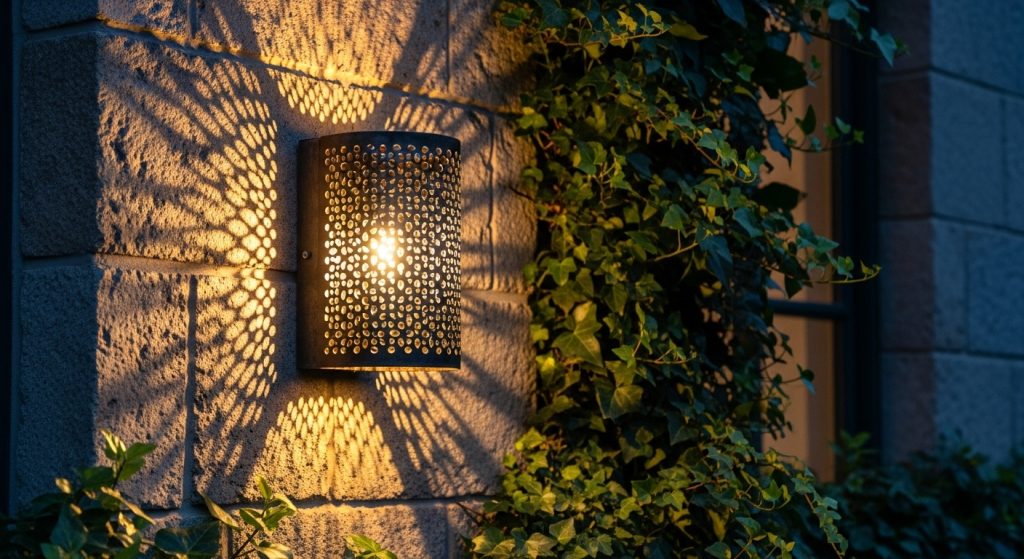
The real magic of perforated lighting lies in the interplay between light and structure. As the internal LED glows, the decorative patterns create stunning shadow effects that wrap around architectural features and garden elements. This method of lighting is particularly effective in residential settings because it provides a soft, localized glow that respects the natural darkness of the night.
Beyond the beauty, these patterns offer functional advantages by significantly improving visual comfort. By shielding the direct light source, they provide a gentle guide for navigation while elevating the home’s nighttime character. Selecting a perforated lamp is a deliberate design choice that harmonizes form and function, ensuring your outdoor space is both safe and visually captivating.
What makes a wall lamp “perforated” in outdoor lighting design
In the context of outdoor lighting, a “perforated” fixture refers to a lamp where the fixture housing has been intentionally interrupted by a series of light openings. Unlike a standard lantern with solid walls and glass panes, a perforated lamp uses a solid material—usually metal—that has been laser-cut or etched with specific designs. This means the light only emerges through the patterned gaps, turning the entire body of the lamp into a source of decorative interest.
This perforation design allows for incredible creative freedom. The openings can range from simple, modern geometric dots to complex, flowing organic motifs that mimic leaves or water. Because the light source is hidden behind these metal layers, the focus shifts from the bulb to the pattern itself. This structural choice makes perforated lamps ideal for modern landscapes where the goal is to integrate lighting into the architectural fabric of the home rather than just bolting a utility light to the wall.
How decorative perforated patterns shape light and shadow outdoors
The primary role of these decorative patterns is to manage the light diffusion across your property. When light passes through the small openings of a perforated lamp, it creates a shadow projection that expands as it moves away from the wall. This effect adds a rich visual texture to surfaces like stone, brick, or wood siding, highlighting the natural irregularities of your building materials.
At night, this interplay between light and dark adds immense depth to a flat facade. Instead of a harsh, flat wash of light that washes out detail, the patterned glow creates “layers” of illumination. The result is a more atmospheric and high-end look that can make even a small patio or entryway feel expansive and well-curated. By using patterns to “sculpt” the light, you transform a functional necessity into a powerful design element that sets the mood for the entire yard.
Why perforated wall lamps are popular in modern residential exteriors
Modern exterior design often prioritizes clean lines and subtle details, making perforated lamps a perfect fit. They offer a sense of architectural harmony by echoing the patterns found in modern fences, gates, or cladding. Because the light is filtered, it provides a subtle illumination that does not compete with other landscape features or flood the neighbors’ yard with unwanted glare.
These fixtures also act as sculptural accents during the day. A well-designed perforated metal housing looks like a piece of contemporary hardware even when the power is off. Homeowners increasingly choose these styles because they offer a “soft” security solution—enough light to identify people and paths, but with a decorative elegance that makes the home feel warm and inviting rather than industrial. This balance between form and function is why they have become a staple in luxury residential lighting layouts.
How perforated designs help reduce glare and improve comfort
One of the greatest functional benefits of a perforated lamp is glare reduction. In a standard wall light, the bare bulb is often visible, which can be blinding and uncomfortable for anyone walking toward it. Perforated designs hide the direct light source behind the fixture housing, shielding the eyes and providing superior visual comfort. This makes them exceptionally useful near front doors or high-traffic walkways where people are moving at close range.
This controlled lighting ensures that the light goes where it is needed—on the ground and the wall—rather than into the eyes of pedestrians. By breaking up the light into smaller, softer beams, the fixture prevents the “dazzle” effect that often leads to accidents on stairs or uneven paths. Choosing a perforated design is an easy way to make your home’s exterior safer and more comfortable for family and guests, providing a high level of clarity without the aggressive brightness of traditional floodlights.
How mounting height affects decorative pattern visibility
The mounting height you choose acts as the “lens” for your pattern. If a perforated lamp is placed too high on a tall facade, the pattern visibility may dissipate before it reaches the ground, resulting in a fuzzy, indistinct glow. For the best light placement, you want the pattern to interact with the surfaces you most want to highlight, such as the floor of a porch or the texture of a stone wall.
When you position these lights at the correct level—typically 60 to 66 inches above the floor—the pattern projection remains sharp and impactful. The wall itself serves as a canvas; the closer the light is to the surface, the more intense the shadow patterns will appear. By carefully planning your mounting height, you ensure the decorative effect of the perforations is maximized, creating a professional and intentional look that guides the eye exactly where you want it to go.
How waterproof construction protects perforated wall lamps outdoors
Because perforated lamps have intentional gaps in their housing, weather protection is more critical than with standard sealed lanterns. High-quality water resistance is achieved through internal sleeves or sealed LED modules that prevent rain and dust from reaching the electronics. Without this internal sealing, moisture could enter the patterned cutouts and cause corrosion or short circuits.
Maintaining outdoor durability means selecting fixtures with a verified IP rating that accounts for the open-pattern design. These seals must be robust enough to handle humidity and temperature changes without failing. When you invest in a perforated light with professional-grade waterproofing, you ensure the delicate patterns remain clear and the internal light source stays bright through every season. This structural integrity is what allows the decorative patterns to remain a permanent feature of your home’s exterior.
What mistakes reduce the decorative impact of perforated wall lamps
A frequent design error is choosing a pattern that creates a visual mismatch with the home’s architecture. For example, a sharp, high-tech geometric pattern can look out of place on a rustic cottage. Another common blunder is a lighting imbalance caused by using bulbs that are too bright; if the light is too intense, it can “blow out” the pattern, turning the intricate shadow effect into a blurry, over-lit mess.
You should also be careful about placement near reflective surfaces. If a perforated light is placed directly opposite a large glass window or a glossy white wall, the reflections can interfere with the shadow projection, making the pattern look cluttered and messy. To avoid these blunders, you should always test the light’s effect against your specific wall color and texture before final installation. Matching the pattern, brightness, and surface is the key to achieving the stunning, high-end look that perforated designs are known for.
What should be reviewed before selecting a perforated outdoor wall lamp
Before you finalize your project, a thorough design review ensures your hardware is a perfect fit for your home’s environment. This selection checklist helps you catch potential issues before the lights are in the ground, guaranteeing a professional and beautiful result for your installation planning.
- Pattern Style: Does the perforation (geometric vs. organic) complement your home’s architectural lines?
- Wall Surface: Is the wall texture (brick, stone, wood) suitable for catching shadow projection?
- Mounting Height: Have you planned a height that maximizes pattern visibility on the ground?
- IP Rating: Does the fixture have the necessary water resistance for its specific location?
- Glare Audit: Is the light source sufficiently shielded to protect visual comfort?
- Brightness Match: Does the lumen count allow the pattern to be sharp rather than washed out?
- Landscape Integration: Do the wall lamps coordinate with your other outdoor wall pillar residential lights?
What outdoor wall and pillar residential lights include in exterior lighting plans
Outdoor wall pillar residential lights refer to the primary wall lighting systems used in home design. These fixtures work together to provide residential exteriors with both structure and style. By integrating perforated wall lamps into this broader plan, you add a layer of decorative flair that bridges the gap between the house facade and the garden boundaries.
How outdoor metal LED wall lights support decorative perforated designs
The Outdoor metal LED wall light category provides the metal housing necessary for high-precision perforations. Because metal can be laser-cut with extreme design precision, it is the preferred material for creating intricate patterns. These fixtures ensure your decorative choices are translated into sharp, durable light effects that withstand the rigors of the outdoors.
What IP ratings are needed for perforated outdoor wall lamps
Reviewing a Waterproof wall lights IP guide is essential because of the open-pattern nature of these lamps. A high IP rating is a guarantee of weather exposure protection, ensuring rain and dust do not enter the patterned cutouts to damage the internal LED. This technical validation is the key to maintaining the long-term beauty and safety of your perforated fixtures.
How perforated lighting designs help control glare in outdoor areas
The Perforated lights glare control guide explains how these fixtures provide superior glare management. By shielding the direct light source, they improve visual comfort for pedestrians and residents alike. This makes perforated designs a smart choice for high-traffic areas where you need safe lighting that remains warm and inviting.
What mounting height works best for outdoor wall lamps with patterns
Following an Outdoor wall light mounting height guide ensures the best pattern projection. Choosing the correct mounting height allows the shadow patterns to reach the ground clearly without distortion. By placing your fixtures at the optimal level, you maximize the decorative impact of the perforations and enhance the overall architectural profile of your home.



- 10 Meters Lamp Post
- 10 Meters Pole
- 1000w Led Projector
- 100W LED Tunnel Light
- 12 Meters Lamp Post
- 12 Meters Pole
- 1200w Led Projector
- 15 Light Pole
- 1500w Led Projector
- 150W LED Tunnel Light
- 1800w Led Projector
- 2 In 1 Solar Flood Light
- 200w Led Tunnel Light
- 50w Led Tunnel Light
- 6 Meters Lamp Post
- 6 Meters Pole
- 8 Meters Lamp Post
- 8 Meters Pole
- 800w Led Projector
- 80w Led Tunnel Light
- Colourful Decorative Light
- Conical post
- Courtyard Lamp
- courtyard light
- courtyard lighting fixture
- Decorative Landscape Light
- Decorative road Light
- Flood Light For Courtyard
- Flood Light for Garden
- Flood Light For Outdoor
- Foot Led High Bay Lights
- high bay led lights 100w
- industrial lampshade
- industrial LED shed lights
- industrial magnifying glass with light
- Integrated Solar Flood Light
- led courtyard lamp
- led courtyard light
- led high bay light 100w
- LED Projector For Stadium
- Led UFO High Bay 150W 5000k
- Lighting Plants Mining Price
- Maintenance Free LED Street Light
- Pic Controlling Tunnel Light
- PLC controlling tunnel light
- Post Top Garden Light
- RGB Landscape Light
- Rgbw Decorative Light
- Smart Tunnel Light
- solar courtyard lamp
- solar courtyard light
- Solar LED Road Light
- Solar Street Light For 10 Meter Pole
- Solar Street Light For 12 Meter Pole
- Solar Street Light For 6 Meter Pole
- Solar Street Light For 8 Meter Pole
- Split Type Solar Flood Light
- Sporting Projector
- Stadium Led Projector
- Street Lighting Post
