
 Request A Quote


How long do solar street light batteries last before replacement
 FACEBOOK
 TWITTER
 LINKEDIN
How long do solar street light batteries last before replacement is a vital question for any project manager. Knowing the battery life expectancy helps you plan your long-term budget. Most batteries in these systems are built to last several years under normal use. You must understand that energy storage degradation happens naturally over time. Maintenance planning should start the day you install your lights.
Factors like heat, usage, and solar output change how fast a battery wears out. You also need to think about how weather affects the charging process. Proper panel sizing and system design play a large role in extending life. Replacing a battery has cost implications that you should prepare for in advance.
Typical timelines vary based on the type of battery you choose for your site. This guide gives you the steps to make a smart decision about your lights. By following these tips, you can keep your streets bright for many years. You will learn when to fix parts and when to buy new ones.
What does “battery life” mean for solar street lights
Battery life in a solar street light refers to the time it stays useful. It is the period before the energy storage can no longer hold a charge. You will see this measured in years or in the number of charge cycles. Battery degradation is a slow process where the battery loses its total capacity. Most modern systems use lithium batteries that have a long lifecycle expectancy.
When a battery reaches the end of its life, your lights may turn off too early. This matters because it affects both road safety and your total maintenance costs. If the battery fails, the whole system stops working at night. You should keep track of how many years your batteries have been in service. A healthy battery ensures your project stays reliable through every season.
How battery life is estimated in solar street lighting
Manufacturers estimate battery life by looking at how you use the power. They use charge cycles to count how many times the battery fills and empties. One full cycle is when you use the power at night and fill it the next day. They also look at the depth of discharge, which is how much power you take out. Using only a small part of the battery each night helps it last longer.
Temperature influence is another big factor in these estimates. Batteries in very hot places often have a shorter life than those in cool areas. Manufacturers test these units in labs to give you a range of years. You should remember that these are just estimates based on perfect conditions. Real-world use might change the results for your specific project.
What factors shorten or extend solar street light battery life
Your operating environment has a massive impact on how long your batteries last. High heat is the biggest enemy of energy storage. If your battery box sits in the direct sun, it can wear out much faster. You should also look at your load demand each night. Running a very bright light for 12 hours drains the battery deeply. This can shorten the life if the battery is not big enough. Charging efficiency is also key to a long life. If your panels are dirty or shaded, the battery never gets a full charge. This constant low state can cause damage over time.
You can help your batteries last longer by following these simple rules:
- Keep solar panels clean to ensure the best possible charge.
- Place battery boxes in shaded spots or underground to avoid heat.
- Use smart dimming to reduce the power load during late-night hours.
- Ensure the battery size is large enough to handle three nights of rain.
- Check wires for loose connections that might slow down charging.
How solar panel output and weather affect battery lifespan
The amount of solar output you get each day directly affects your battery. During cloudy weather, your panels might not produce enough power to fill the battery. If the battery stays empty for many days, it can suffer from permanent damage.
This is why performance reliability depends on good weather planning. You need a system that can catch even weak light on gray days. A panel that is too small will force the battery to work too hard. This constant strain leads to faster wear and an earlier replacement date. You should check the average sun hours for your site during the winter. Designing with a buffer helps the battery survive through long storms. Proper care during bad weather keeps your energy storage healthy for the long run.
How sizing of panels and batteries influences life expectancy
Correct panel sizing is the best way to protect your battery. A larger panel fills the battery faster, even when the sun is not very bright. This reduces the time the battery spends in a low-power state. You must also match your battery capacity to your nightly energy demand. If your battery is too small, it will discharge too deeply every single night.
Deep discharging is a main cause of early battery failure. You should plan for enough autonomy hours to cover several rainy days. This design choice ensures the battery is never fully empty. A well-balanced system prevents overworking the components. By sizing your parts correctly, you give your project a much longer life. It is a smart investment that saves you from early repair bills.
Cost implications of battery lifespan and replacement
The lifecycle cost of your project depends on how often you change batteries. Batteries are often the most expensive part to replace in a solar pole. You should include a maintenance investment in your long-term capital planning. If you buy cheap batteries now, you might pay twice as much in repairs later.
A high-quality battery might cost more at the start but lasts twice as long. This lowers your total cost per pole over ten or fifteen years. You should also think about the labor costs to send a crew to each pole. Frequent replacements can quickly drain your project budget. Planning for a five-to-eight-year cycle is a good starting point for most jobs. Smart spending today ensures your project stays affordable in the future.
How long batteries typically last before replacement
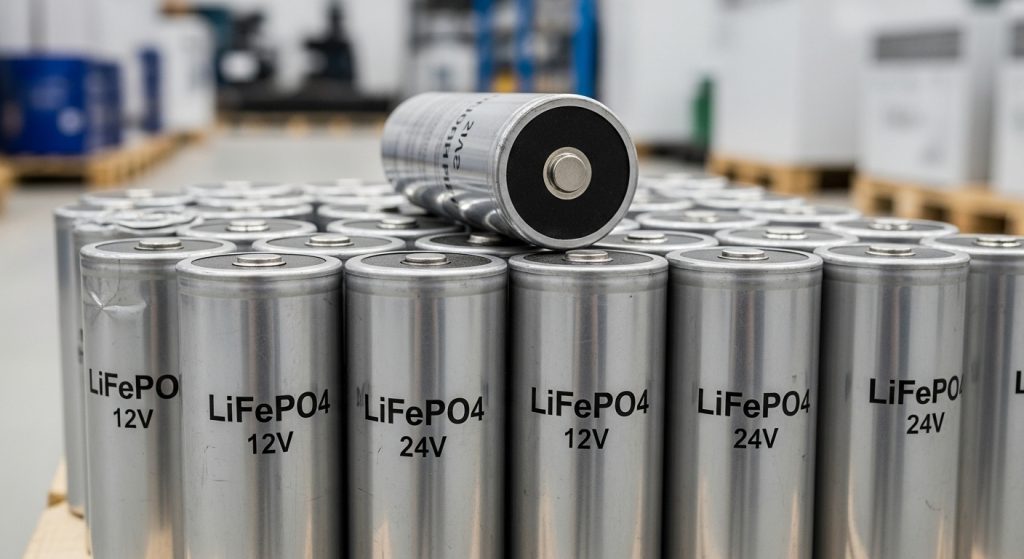
In real-world conditions, life expectancy varies by the type of battery used. Lead-acid batteries often need a replacement interval of two to three years. They are cheaper but do not handle heat or deep cycles very well. Lithium (LiFePO4) batteries are now the standard for most projects. These typically last between five and eight years before they need a change.
Some high-end models can even reach ten years if they are cared for well. You should compare manufacturer claims with what happens on your actual site. If your area is very hot, expect the shorter end of that range. Planning your first round of replacements for year six is a safe bet. Keeping a log of battery performance helps you spot failures before the lights go dark.
What buyers should consider when planning replacements
When you plan for replacements, you must look at your project feasibility. Think about how easy it is to reach the batteries on your poles. If the batteries are at the top, you will need a lift truck and a crew. This increases your costs and your maintenance planning time. You should also check if new battery technology can fit in your old boxes. Sometimes a newer battery can give you better operational reliability. Site conditions like dust and salt air should also be on your checklist.
- Check if your current battery boxes are still in good shape.
- Look for batteries that offer a long warranty from a trusted brand.
- Plan your work during a season with good weather for easier access.
- Ensure the new batteries match the voltage of your existing controllers.
- Consider if you need a larger battery to handle new safety rules.
Should you replace batteries or upgrade the system
Deciding between a simple replacement or a component upgrade is a big choice. If your poles and lights are in great shape, just replacing the battery is the best value. This is the fastest way to get your lights back to full power.
However, if your LED lamps are old and dim, you might consider a full system upgrade. New LEDs use less power, which helps your new battery last even longer. You should weigh the cost vs value of each path before you spend your budget. Sometimes a new controller can also improve how the battery charges. If your system is over ten years old, a full refresh might be safer. For newer projects, a fresh battery is usually all you need to keep going.
What are solar street lighting systems
A solar street lighting systems setup is a modern way to provide outdoor illumination. These units use sun power to run LED street lights at night. They are perfect for remote roads or cities that want to go green. Because they do not need wires, they are very easy to install on any site. They help you save on monthly power bills while keeping the community safe.
How to size solar panels for street lighting projects
Learning the right solar panel size street lighting steps is vital for battery health. You must choose a panel that can meet your energy demand every day. If the panel is too small, the battery will never get a full charge. This leads to faster wear and a shorter life for your system. A well-sized panel ensures your lights stay bright through every season.
How do solar street lights perform in cloudy weather
You might wonder how solar street lights cloudy weather performance holds up. Good systems are designed with enough storage to handle several gray days. Performance reliability depends on having a large enough battery and a strong solar panel. This energy buffer keeps the lights on when the sun is hidden. It protects the battery from being drained too deeply during a storm.
What is the cost per pole for solar street lighting
The solar street light cost per pole includes many different cost drivers. The battery, panel, and LED lamp are the main parts of the price. Installation variables like pole height and soil type also matter. While the upfront cost is higher than grid lights, you save money over time. You should plan for battery replacement as part of your total lifecycle cost.
How to choose solar street light wattage for road width
Knowing the right solar street light wattage road width helps you plan your power needs. Wider roads need higher wattage for proper light distribution. Higher wattage puts more load on your battery each night. You must balance your illumination standards with your battery capacity. This ensures your road stays safe without overworking the energy storage.


- 10 Meters Lamp Post
- 10 Meters Pole
- 1000w Led Projector
- 100W LED Tunnel Light
- 12 Meters Lamp Post
- 12 Meters Pole
- 1200w Led Projector
- 15 Light Pole
- 1500w Led Projector
- 150W LED Tunnel Light
- 1800w Led Projector
- 2 In 1 Solar Flood Light
- 200w Led Tunnel Light
- 50w Led Tunnel Light
- 6 Meters Lamp Post
- 6 Meters Pole
- 8 Meters Lamp Post
- 8 Meters Pole
- 800w Led Projector
- 80w Led Tunnel Light
- Colourful Decorative Light
- Conical post
- Courtyard Lamp
- courtyard light
- courtyard lighting fixture
- Decorative Landscape Light
- Decorative road Light
- Flood Light For Courtyard
- Flood Light for Garden
- Flood Light For Outdoor
- Foot Led High Bay Lights
- high bay led lights 100w
- industrial lampshade
- industrial LED shed lights
- industrial magnifying glass with light
- Integrated Solar Flood Light
- led courtyard lamp
- led courtyard light
- led high bay light 100w
- LED Projector For Stadium
- Led UFO High Bay 150W 5000k
- Lighting Plants Mining Price
- Maintenance Free LED Street Light
- Pic Controlling Tunnel Light
- PLC controlling tunnel light
- Post Top Garden Light
- RGB Landscape Light
- Rgbw Decorative Light
- Smart Tunnel Light
- solar courtyard lamp
- solar courtyard light
- Solar LED Road Light
- Solar Street Light For 10 Meter Pole
- Solar Street Light For 12 Meter Pole
- Solar Street Light For 6 Meter Pole
- Solar Street Light For 8 Meter Pole
- Split Type Solar Flood Light
- Sporting Projector
- Stadium Led Projector
- Street Lighting Post
