
 Request A Quote


Choose a Commercial Solar Street Light Around Your Nightly Lighting Needs
 FACEBOOK
 TWITTER
 LINKEDIN
A commercial solar street light is required to perform more than turn on at night. The important question for the business park, residential development or access road is whether or not the proposed system can provide the necessary lighting during the challenging season for the site.
It is therefore necessary for project buyers and contractors to consider an entire system of energy and not simply an LED wattage. There is a clear operating plan which links up illumination, solar generation, battery storage and controls prior to product selection.
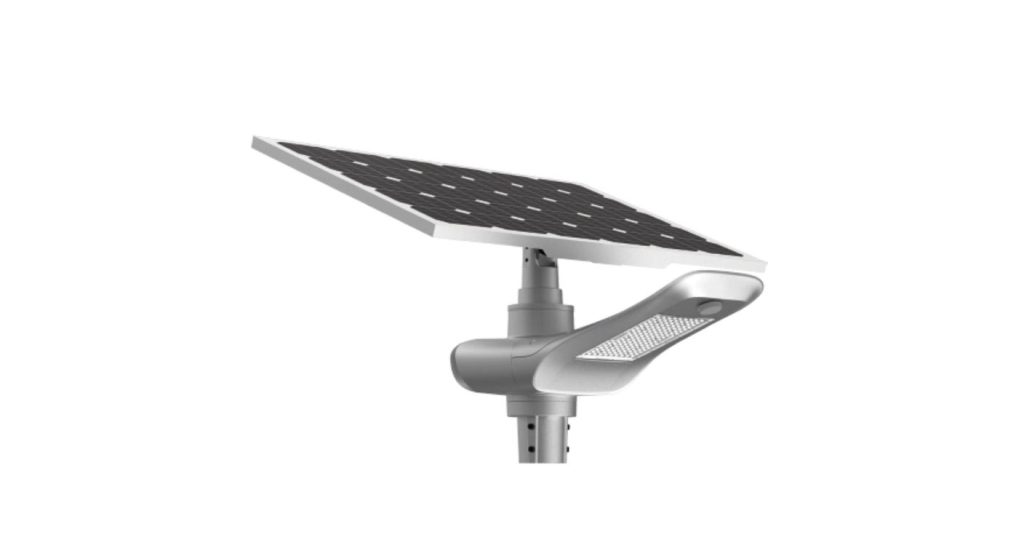
Determine After Dark site needs.
Start by talking about the use of the road. An industrial access road for late shifts might require a different access schedule than a residential access road that has a lot of traffic at night. Determine the time of day that lighting is needed and whether lower levels of light are acceptable during the quieter time of day.
Determine areas requiring special attention, such as junctions and pedestrian crossings, loading entrances etc. Discuss lighting criteria with project designer such as uniformity and glare control. A suitable product photo can’t determine the usefulness; usefulness is determined by these requirements.
Dawn Lighting’s LED solar street light product line offers a starting point for product discussions. Provide the size of the road, hours of operation, location of installation and other roadway obstructions that are known or suspected.
Develop an Energy Budget for the Challenging Season
Seasonality of the lighting demand may be concealed in the annual average sunshine. Don’t assume that summer charging performance is year-round as there will be a difference depending on the design month, local shading and panel orientation as well as expected soiling.
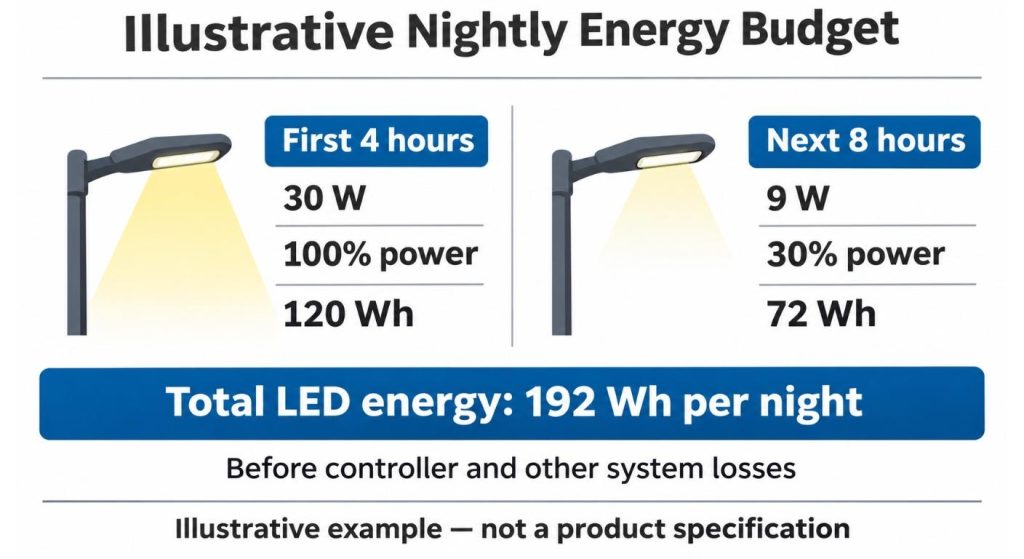
Use actual power schedule to calculate nightly consumption. For instance, using the same 30W load, operating at full load for 4 hours and 30% for 8 hours, the load consumes 192Wh, not to mention additional system losses. This is an explanatory calculation and is not a guarantee of the Dawn Lighting product.
Compare this demand with the expected solar supply and the amount of energy available in the batteries to be used. However, battery capacity in ampere-hours must be translated to its voltage, to get nominal watt hours: nominal watt hours = volts x ampere hours. Discharge limitations, temperature, ageing and losses in the system must also be taken into consideration when calculating usable energy.
Select Solar Access After System Layout
An integrated housing can help prevent a physical arrangement problem, but it is important to consider panel orientation. Dawn Lighting provides an all in one solar light street light with the light source, controls, battery and solar panel. Take this setup into account in which the desired mounting location offers an adequate level of exposure to sunlight and lighting direction.
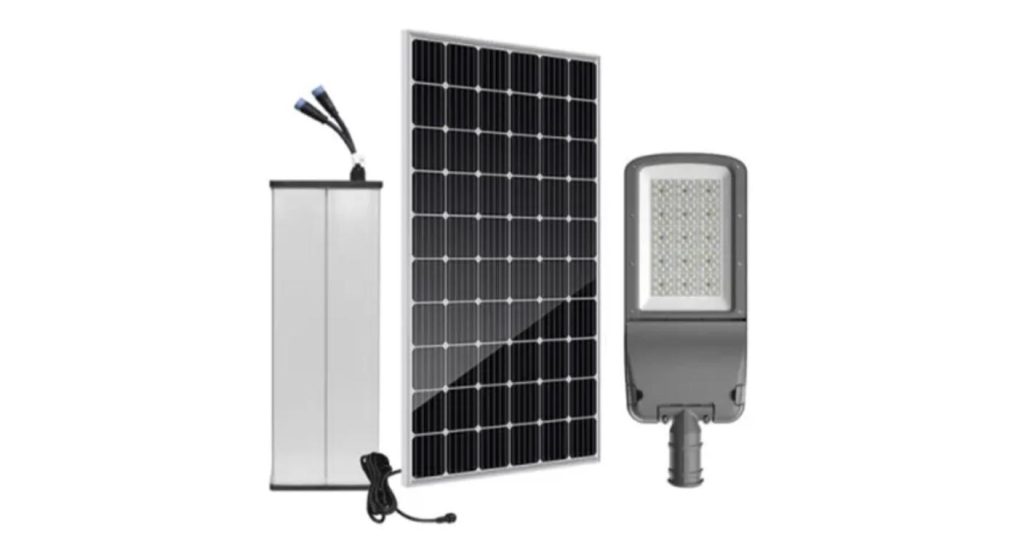
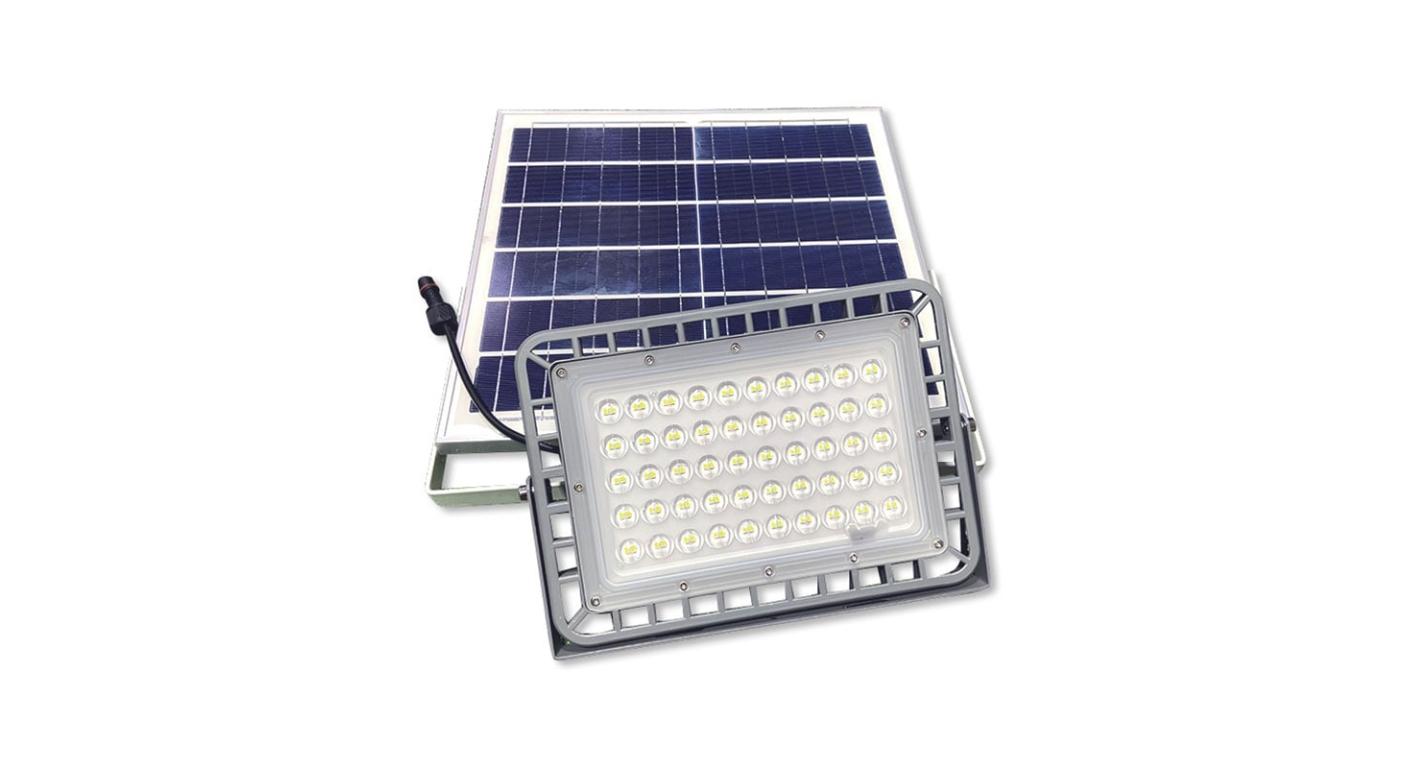
If solar street lighting panels should be installed in locations where they are more independent, consider using separated solar street lighting panels. A separate panel can provide greater flexibility in positioning the solar collector in conjunction with the luminaire. Verify the components, cable lengths, connectors and mounting hardware for the proposed model.
Another aspect of Dawn Lighting’s semi-integrated solar street light is the ability to configure the size of the solar panel and the amount of battery capacity. Its suitability should be determined by the chosen configuration and drawings as the names of the categories do not define the location of the components.
Dimming and Backup Claims are now Measurable.
“Dusk to dawn” is a window of opportunity, not necessarily full power illumination. Type in the programmed output at each period, the sensor response (if fitted) and the action when the battery comes to a low state of charge.
Similarly, a claim of ‘several rainy days’ should be defined. Verify Start of the Night Battery Charge, Nights Schedule, Assumed Solar Contribution, and Minimum Acceptable Output. If the system is designed to dim deeper, it has the potential to operate differently than the lighting plan approved by the owner.
If background lighting is not an issue, motion sensing can be used to control energy. It should not be used in lieu of the necessary continuous illumination. Ask if the normal operating schedule and any fall-back energy-saving schedule will satisfy the operational requirements of the site.
Check the Light on the Road.
After the energy plan is developed and feasible, try out the proposed optical distribution in a lighting calculation. Ensure you have checked the actual luminaire photometric file, their mounting height, spacing between luminaires and the geometry of the road. Lumen output is not an indication of where the light falls.
What might be a good wide beam for one setup can cause unwanted spill in another setup. Look for pedestrians or nearby buildings and properties along the carriageway. If the same road sections require different optics or schedules, describe the different road sections as different configurations, and don’t try to force one model across the board.
Check that the simulated output is for the desired mode of operation. Maximum output alone doesn’t prove the performance under dimmed conditions over night. Maintain settings agreed to on approved layout.
Create a schedule for cleaning, replacing and exposing.
A commercial installation requires a maintenance route, as well as an installation method. Determine cleaning methods for panels, battery replacement procedures and required access equipment. Before ordering a large quantity, check availability of replacement parts.
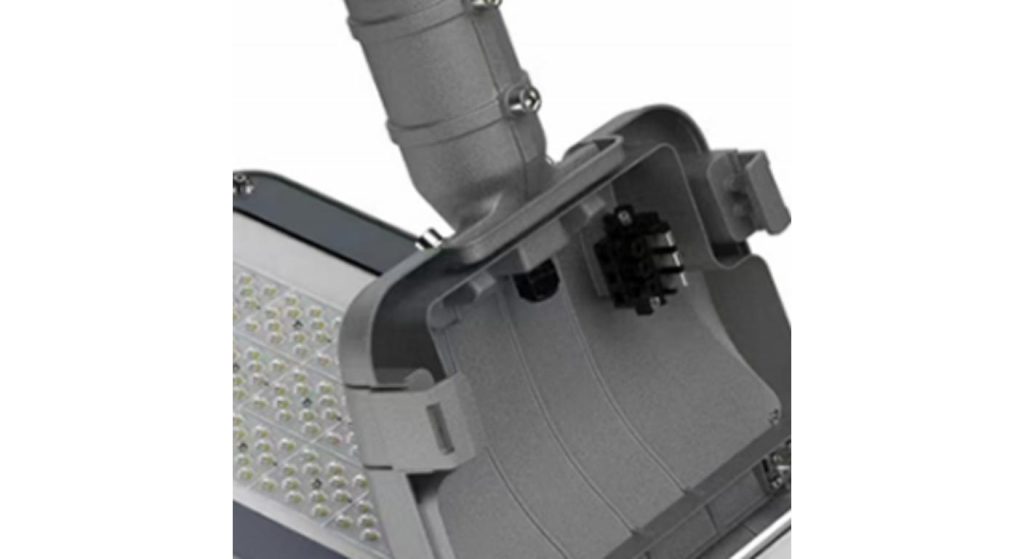
Dawn Lighting’s semi-integrated product page features an aluminium casing and maintenance aspects. Inquire about the characteristics that would pertain to the ordered version, and seek the appropriate opening, isolation, and replacement instructions. Safe service procedures cannot be based on the product appearance alone.
Check the temperature, enclosure protection, corrosion exposure and the full wind load on the pole. On cold sites, differentiate between temperatures for battery charging and discharge. A general operating-temperature statement doesn’t resolve the issue of whether the battery can accept a charge without safety issues.
Compare Installed Cost and Prove the Configuration 100% of the time.
A solar light can be used as an alternative to a grid connection and supply cabling. Poles, foundations, erection, commissioning, cleaning and future component replacement, however, still come into the commercial comparison. Do not take an average payback period.
Have each bidder quote on the same illumination target, nightly schedule, design month assumptions and backup requirement. Establish individual warranties for the battery, the controller, the luminaire and other components provided and negotiate the terms, conditions and warranty exclusions, as well as service schedules.
If you are to roll it out on a large scale, perform a representative pilot test to verify mounting, control settings and practical maintenance access. Document conditions at sites during evaluation. Successful short trial can lead to commissioning, but will not make up for performance through all seasons.
| Record | Operational Purpose | Acceptance Evidence |
| Controller settings | Restore the approved nightly schedule | Saved configuration file |
| Battery identification | Source a compatible replacement | Model and electrical data |
| Commissioning baseline | Compare future operating behaviour | Dated measurements and settings |
| Maintenance instructions | Perform planned servicing | Supplier’s service manual |
| Warranty contacts | Route component claims correctly | Written coverage and contact details |
Conclusion
The reliable commercial solar street light solution begins with the realistic night and challenging charging season. Agree the system layout with solar access, independently review the energy and lighting summary calculations and agree service responsibilities. The specification that is the product of this results in a more definite set of criteria for buyers to compare complete solutions.
FAQs
Q1. Is a commercial solar street light able to run through the night?
Yes, if the system is dimensioned according to agreed programme and site conditions. Double check that the overnight mode is dimmable.
Q2. Does a “one-stop” actually sound good?
No: Evaluate the access to sunlight, mounting direction, space needed for storage and maintenance before selecting the configuration.
Q3. What is the maximum number of cloudy days it can tolerate?
This is dependent on the available energy in the battery, consumption and available charging. Ask to have a calculation, including any assumptions.
Q4. Does more watts equals better road lighting?
Not automatically. The effectiveness of light to reach the road depends on optical distribution, mounting geometry and verified photometric performance.
Q5. What information should be gathered with an enquiry?
Include site location, site layout, operating hours, lighting requirements, and pictures of the site. Specify any needed back-up times or any temperature limitations.
- 10 Meters Lamp Post
- 10 Meters Pole
- 1000w Led Projector
- 100W LED Tunnel Light
- 12 Meters Lamp Post
- 12 Meters Pole
- 1200w Led Projector
- 15 Light Pole
- 1500w Led Projector
- 150W LED Tunnel Light
- 1800w Led Projector
- 2 In 1 Solar Flood Light
- 200w Led Tunnel Light
- 50w Led Tunnel Light
- 6 Meters Lamp Post
- 6 Meters Pole
- 8 Meters Lamp Post
- 8 Meters Pole
- 800w Led Projector
- 80w Led Tunnel Light
- Colourful Decorative Light
- Conical post
- Courtyard Lamp
- courtyard light
- courtyard lighting fixture
- Decorative Landscape Light
- Decorative road Light
- Flood Light For Courtyard
- Flood Light for Garden
- Flood Light For Outdoor
- Foot Led High Bay Lights
- high bay led lights 100w
- industrial lampshade
- industrial LED shed lights
- industrial magnifying glass with light
- Integrated Solar Flood Light
- led courtyard lamp
- led courtyard light
- led high bay light 100w
- LED Projector For Stadium
- Led UFO High Bay 150W 5000k
- Lighting Plants Mining Price
- Maintenance Free LED Street Light
- Pic Controlling Tunnel Light
- PLC controlling tunnel light
- Post Top Garden Light
- RGB Landscape Light
- Rgbw Decorative Light
- Smart Tunnel Light
- solar courtyard lamp
- solar courtyard light
- Solar LED Road Light
- Solar Street Light For 10 Meter Pole
- Solar Street Light For 12 Meter Pole
- Solar Street Light For 6 Meter Pole
- Solar Street Light For 8 Meter Pole
- Split Type Solar Flood Light
- Sporting Projector
- Stadium Led Projector
- Street Lighting Post
