
 Request A Quote


How to Design Manufacturing Facility Lighting for Better Productivity and Energy Efficiency
 FACEBOOK
 TWITTER
 LINKEDIN
Lighting is a crucial element in today’s modern manufacturing facility. A good lighting system can positively affect the safety of workers, work productivity and equipment operation, as well as overall energy consumption.
Unlike ordinary commercial lighting, manufacturing facility lighting needs to meet more demanding requirements. Different levels of lighting, lighting distribution and levels of protection are frequently required in production areas, assembly lines, warehouses, inspection areas and machinery spaces.
Whether it’s an owner, an industrial engineer, a facility manager or a lighting contractor, the decision on the type of lighting to install and use depends on factors such as workspace conditions, operational requirements, energy efficiency and long-term maintenance.
By integrating LED technology, intelligent controls, and application-specific designs, a professional industrial lighting supplier can help businesses create tailored solutions that fit their specific needs. The aim is to improve the working environment of the manufacturing industry in terms of safety, productivity and efficiency.
Know the need for lights in manufacturing facilities.
Typically, manufacturing facilities have more than one working area with varying lighting requirements.
The production line needs stable and uniform lighting to facilitate the detailed operation of the production process. Higher light levels might be necessary in the assembly area since there are many things to check and see the little details. Wide-area coverage and efficient visibility are typically a focus of warehouses when it comes to storage and logistics.
Lighting design is influenced by the layout of the machinery, the height of the ceiling, working surfaces and production processes. What works in one location, may not work in another.
The initial step in a professional lighting design is to study and understand the practical space in which the lighting is to be installed, the distribution of light, the duration of lighting and the safety issues.
Industrial LED lighting solutions offer reference solutions for various industrial manufacturing environments for efficient and reliable solutions.
| Facility Area | Lighting Requirement |
| Production Line | Uniform illumination for continuous operations |
| Assembly Area | Clear visibility for detailed work |
| Warehouse | Wide-area efficient lighting coverage |
| Inspection Zone | High-quality lighting for accurate evaluation |
Select the appropriate type of LED light fixtures for industrial use.
For lighting applications in manufacturing facilities, LED technology is the new standard for its several benefits such as high efficiency, long life and stable performance.
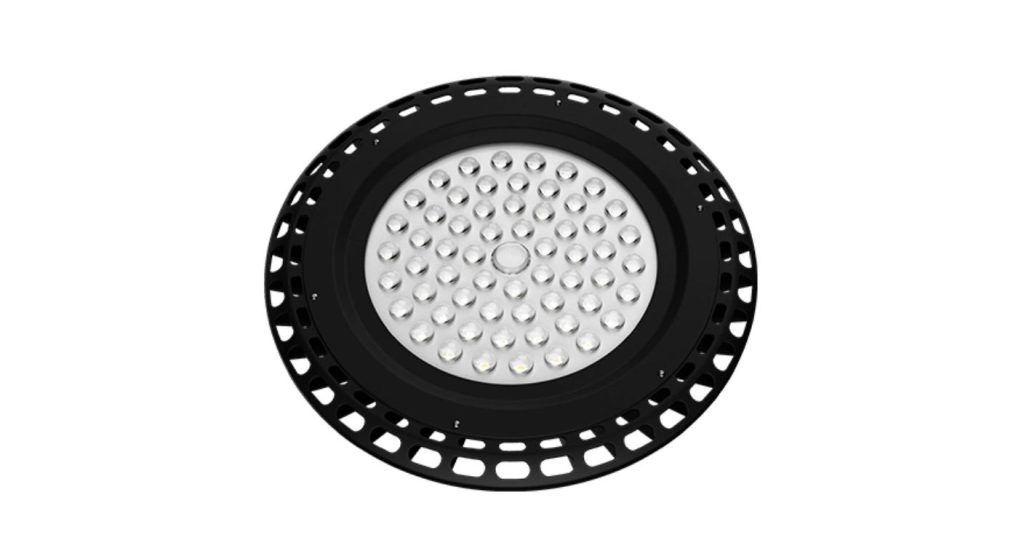
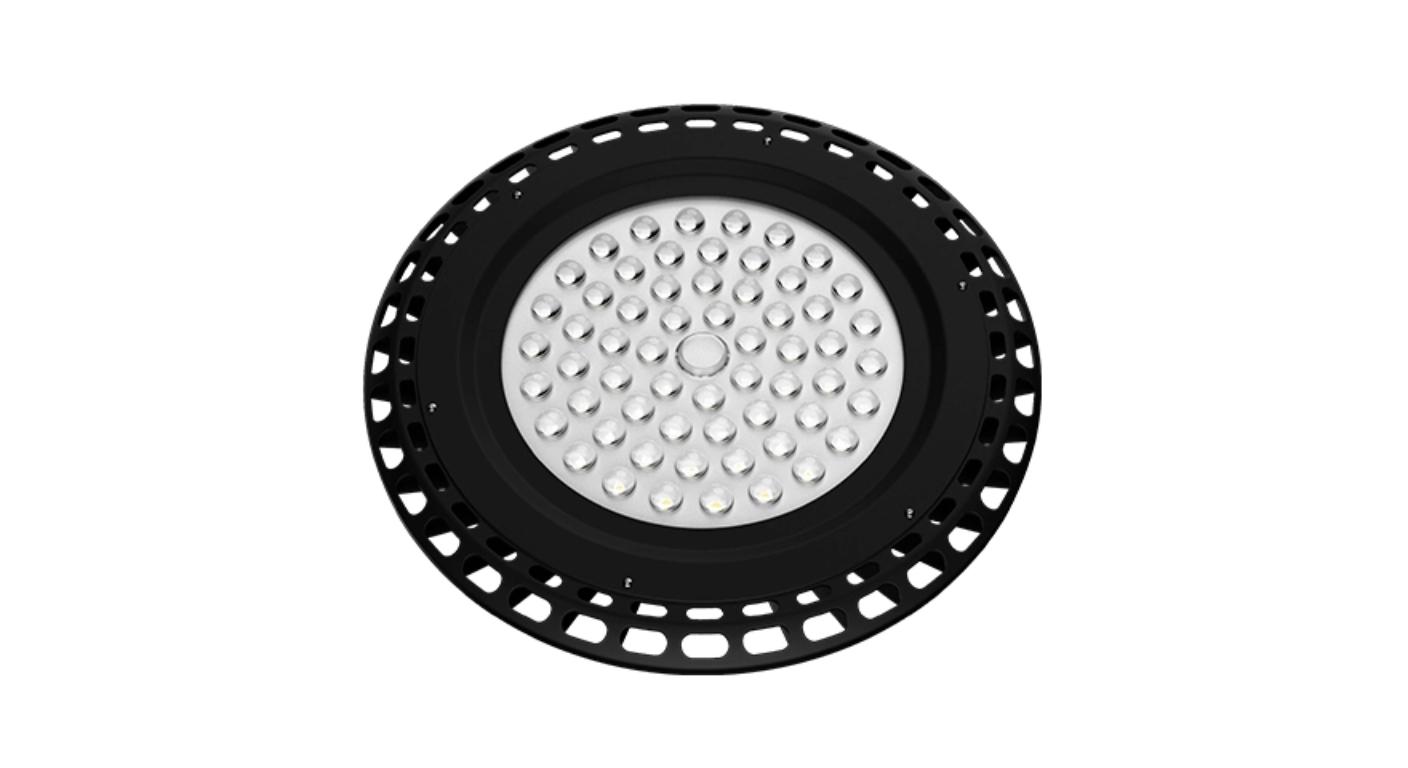
LED high bay lights are well-suited for high ceilings since they can provide intense light over large production areas. They are optimized in terms of the optical design which minimizes dark areas and enhances lighting uniformity.
Linear LED fixtures can be effective in assembly lines or other spaces that have continuous workstations, as they provide uniform light along extended work areas.
Specialized fixtures might also be required in various manufacturing surroundings. For instance, for factories with dust, moisture or temperature problems, there are a variety of lighting products to help them cope with such conditions and long-lasting housing designs.
Choosing the right type of fixture can increase the visibility for the manufacturer and reduce overall energy use without it.
Examples of high efficient lighting applications are available for large industrial spaces with LED high bay lighting.
Ensure good lighting design for improved workplace safety.
Lighting is a critical concern to workplace safety in manufacturing facilities.
Low levels of illumination may lead to an increased risk of operational errors, equipment accidents and fatigue. Conversely, if the lights are too bright or improperly installed, they can cause glare and decrease visual comfort.
A professional manufacturing facility lighting system has not only to increase the light intensity, but also to ensure balanced light.
Even lighting allows the worker to view the tools, materials, equipment controls and production information. Also, when appropriate color rendering, employees can detect the difference in materials, products and surface conditions more accurately.
In light of production requirements, inspection areas and quality control zones may need lighting solutions that are specifically designed to aid in precise visual evaluation for industries that need precision work.
A properly designed lighting system can help create a safer, more productive production environment.
Simply use energy-efficient lighting for your industrial space and save money.
Manufacturing facilities are heavily dependent on energy use as lighting can be on a lot longer than usual days.
The use of LED lighting can be a major energy efficiency benefit over conventional lighting. LED fixtures can generate more light output at less power usage, and also have a much longer service life, which can cut down on maintenance needs.
Energy efficiency can be further enhanced by the use of smart lighting controls that can turn the lights up or down based on actual lighting conditions. Energy use can be minimised through the use of sensors, scheduling systems and central management platforms.
For instance, the lights can be dimmed based on the working hours and/or the number of people in the warehouse and/or production area.
Lighting in energy-efficient manufacturing facilities not only helps to save money on operations, it also helps support sustainability initiatives for modern manufacturing companies.
Commercial LED lighting solutions are another set of examples of energy-saving solutions in lighting upgrades.
Take into account environmental conditions and lighting protection.
Lighting equipment can be difficult to work in manufacturing facilities. It is possible for the performance of fixtures to be affected by dust, humidity, vibration, heat, and chemicals over time.
Thus, industrial lighting solutions need to be chosen based on the different environmental conditions.
A high level of dust may necessitate the use of fixtures providing greater protection against dust in factories. High-temperature facilities require good thermal management to sustain the performance of LEDs.
It’s also crucial for material quality. Long-lasting enclosures, good electrical stability and heat removal structures contribute to a longer product lifespan.
The lighting system is designed by a professional supplier, and the environment analysis is carried out before the production of the lighting system, which guarantees that the system can be used in the real production environment.
Use Smart Lighting Systems in Manufacturing Operations
Intelligent lighting management systems are increasingly used in modern manufacturing factories.
The use of smart controls can help factories actively control and optimize the performance of lighting fixtures based on production requirements and schedules. This will help to be more flexible and avoid wasting energy.
For large facilities, centralised lighting management can assist the operators to manage lighting in various zones while maintaining independence. Maintenance personnel can also be more efficient at keeping track of your system’s condition and figuring out its problems.
The incorporation of LED technology and smart controls increases the flexibility of the lighting environment and meets today’s production needs.
Intelligent lighting solutions can be an important aspect of the overall factory optimization process for factories looking to improve their automation.
Choosing a reliable supplier of a manufacturing facility lighting can be a challenging task.
Making the right choice of supplier is crucial to a successful industrial lighting project.
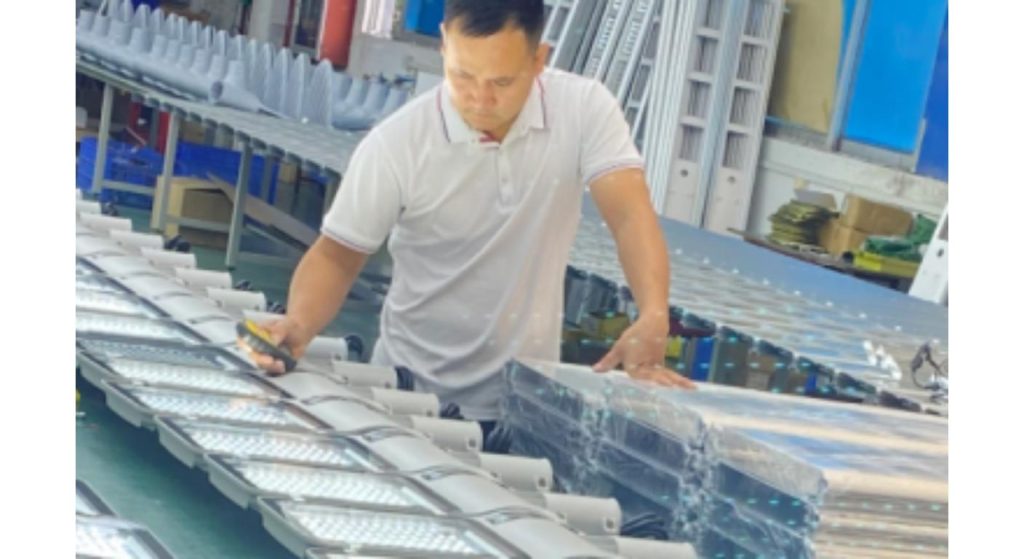
A professional lighting manufacturer should offer technical consultancy, product customization, quality control and project support.
In the absence of cooperation, the factory owners and contractor should start by assessing the experience of the supplier, engineering skills, production capacity, and the supplier’s previous industrial projects.
A trusted supplier is aware that manufacturing plants have varying needs as a result of production processes, building structures and operating conditions.
A knowledgeable partner can help businesses ensure their lighting is not inappropriate and can improve overall long-term lighting performance.
In addition, outdoor LED lighting solutions offer more references for complete industrial and outdoor lighting solutions.
| Lighting Type | Suitable Application |
| LED High Bay Light | High-ceiling factories and warehouses |
| Linear LED Light | Assembly lines and workstations |
| Industrial LED Fixture | Harsh manufacturing environments |
| Smart LED System | Energy management applications |
Conclusion
For manufacturing facility lighting, it’s a worthwhile investment that impacts on the safety of the workplace, productivity and operational efficiency.
The main aspects of a successful industrial lighting system are the careful planning of the system fixtures and lights, lighting distribution, energy management and environmental protection.
With careful selection of LED technologies and a knowledgeable lighting supplier, manufacturers can create dependable lighting environments that will enable them to carry on with their business and keep long-term costs low.
FAQs
Q1. Why is it important to have proper lighting in a manufacturing facility?
Good illumination makes the work place safer, more accurate in production, more comfortable for workers and minimizes work risks.
Q2. What are the types of LED lights that are used in factories?
Depending on the facilities requirements, they are commonly used in LED high bay lights, linear LED fixtures or in industrial lighting systems.
Q3. How does the lighting in manufacturing facilities help to save energy?
Installing energy-efficient LED fixtures and smart control systems can help conserve electric power and maintenance expenses.
Q4. What are some of the design factors to consider for the lighting of an industrial facility?
Ceiling height, production activities, environmental conditions, brightness requirements and energy efficiency are important factors.
Q5. How to select the manufacturer facility lighting supplier?
Look for suppliers that have industrial experience, technical support, quality control, and customization features.
- 10 Meters Lamp Post
- 10 Meters Pole
- 1000w Led Projector
- 100W LED Tunnel Light
- 12 Meters Lamp Post
- 12 Meters Pole
- 1200w Led Projector
- 15 Light Pole
- 1500w Led Projector
- 150W LED Tunnel Light
- 1800w Led Projector
- 2 In 1 Solar Flood Light
- 200w Led Tunnel Light
- 50w Led Tunnel Light
- 6 Meters Lamp Post
- 6 Meters Pole
- 8 Meters Lamp Post
- 8 Meters Pole
- 800w Led Projector
- 80w Led Tunnel Light
- Colourful Decorative Light
- Conical post
- Courtyard Lamp
- courtyard light
- courtyard lighting fixture
- Decorative Landscape Light
- Decorative road Light
- Flood Light For Courtyard
- Flood Light for Garden
- Flood Light For Outdoor
- Foot Led High Bay Lights
- high bay led lights 100w
- industrial lampshade
- industrial LED shed lights
- industrial magnifying glass with light
- Integrated Solar Flood Light
- led courtyard lamp
- led courtyard light
- led high bay light 100w
- LED Projector For Stadium
- Led UFO High Bay 150W 5000k
- Lighting Plants Mining Price
- Maintenance Free LED Street Light
- Pic Controlling Tunnel Light
- PLC controlling tunnel light
- Post Top Garden Light
- RGB Landscape Light
- Rgbw Decorative Light
- Smart Tunnel Light
- solar courtyard lamp
- solar courtyard light
- Solar LED Road Light
- Solar Street Light For 10 Meter Pole
- Solar Street Light For 12 Meter Pole
- Solar Street Light For 6 Meter Pole
- Solar Street Light For 8 Meter Pole
- Split Type Solar Flood Light
- Sporting Projector
- Stadium Led Projector
- Street Lighting Post
