
 Request A Quote


Choosing an Outdoor Solar Street Light for Your Site Conditions
 FACEBOOK
 TWITTER
 LINKEDIN
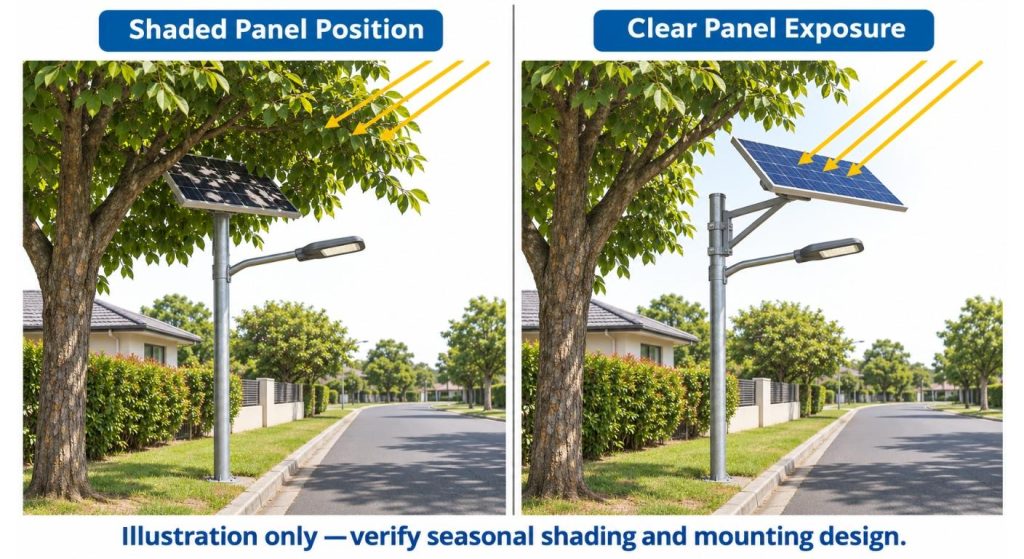
Two same solar street lights may have different performance on both sides of the road. One panel might be in the full sun, the other under a growing tree. Over time differences can increase due to rain, dust, temperature and installation details.
A valuable guide to outdoor solar street lights for installers, property managers and local project buyers starts with the surroundings. The goal is to select a configuration that will be physically feasible to inspect, clean and service in the location.
Before using the site at night, read the site during the day.
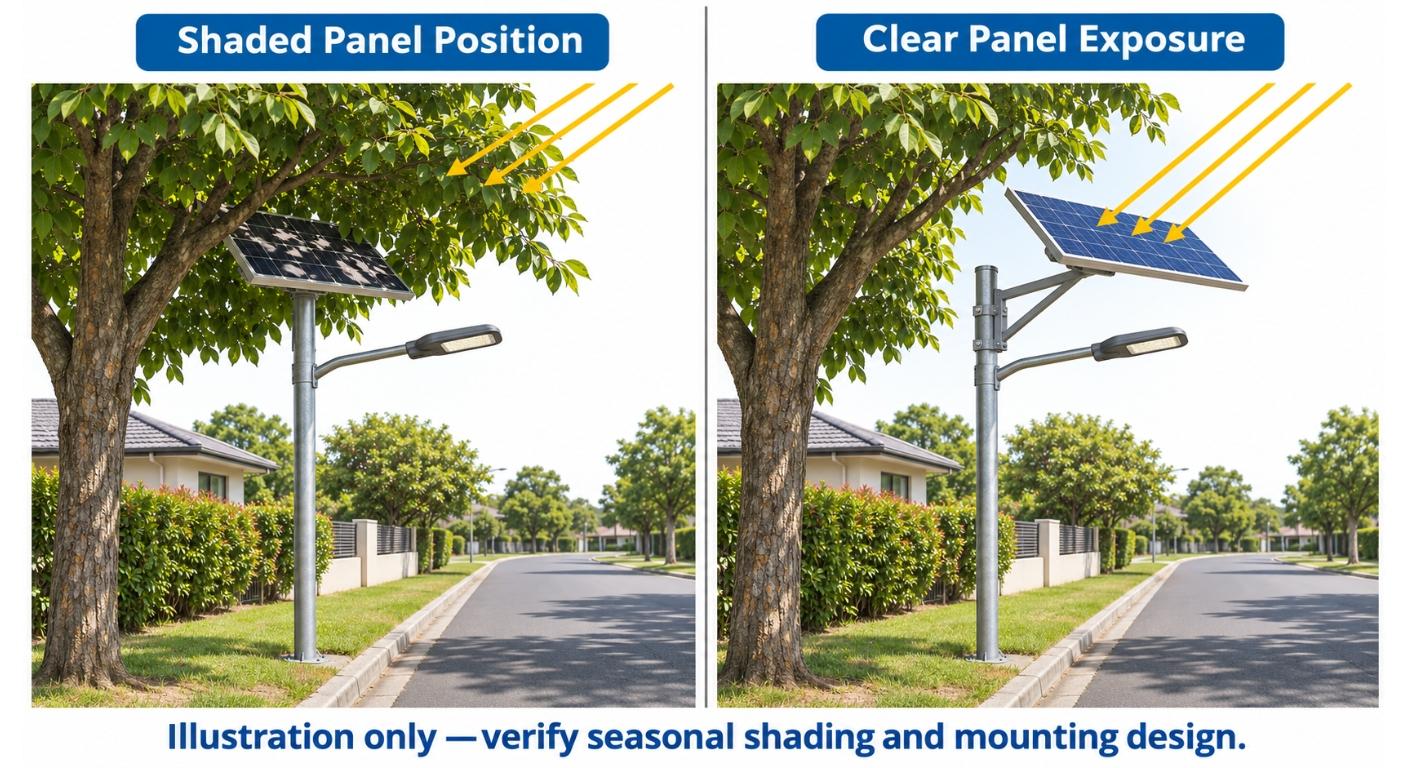
Check proposed pole locations during daylight hours, not just in the evening when considering whether or not they are visible. Check for nearby structures, tree canopy, signage, overhangs and construction work that may be blocking the panel. Make observations from more than one direction around.
Even though the sky may be clear over the pole, there can be obstructions along the sun’s path. Shadows change with the time of day and seasons. Consider the seasonal conditions, particularly at sites where the winter sun is at a lower angle.
Investigate ground drainage and access to maintenance. A sunny site can be hard to get to following torrential rainfall. Maintain the charging requirement of the panel and the lighting loads of the luminaire as separate requirements by the site.
Choose a Layout That Resolves Shading
Dawn Lighting’s all in one solar street light is designed for outdoor use, and combines the solar panel, LED source, battery and controls into one system. This can be appropriate for situations where the need for the direction of lighting and solar exposure coincide.
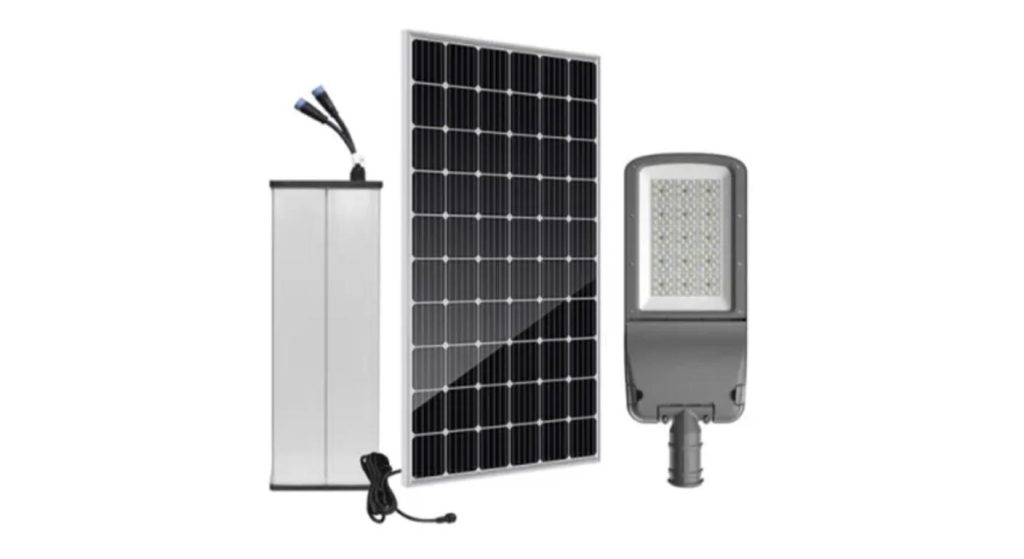
If there is a conflict with above directions, please refer to the separated solar street light range. It is more flexible with the arrangement of its components, allowing for the flexibility of positioning the panels. Make sure you find out the separation, type of cable, mounting requirements and battery location, don’t assume that all split systems are set up in the same way.
Solar street light semi-integrated also refers to movable positioning of the light panel and the adjustable size of the light panel and battery. Request the assembly drawing for real assemblies, rather than opting for some kind of sketch. It would be more beneficial to move a panel away from an obstruction than just ask for a bigger battery.
Think of Rain Protection as an Installation Detail.
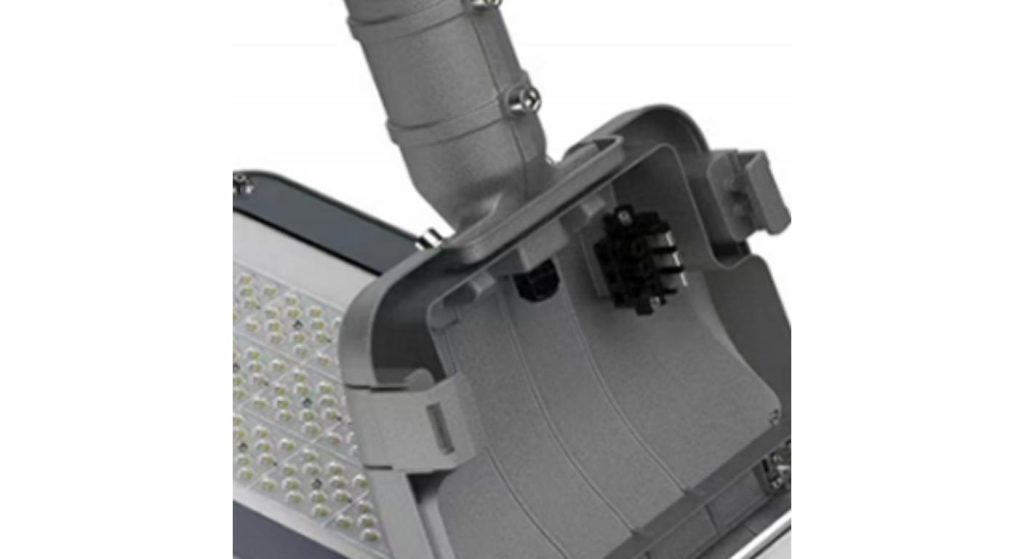
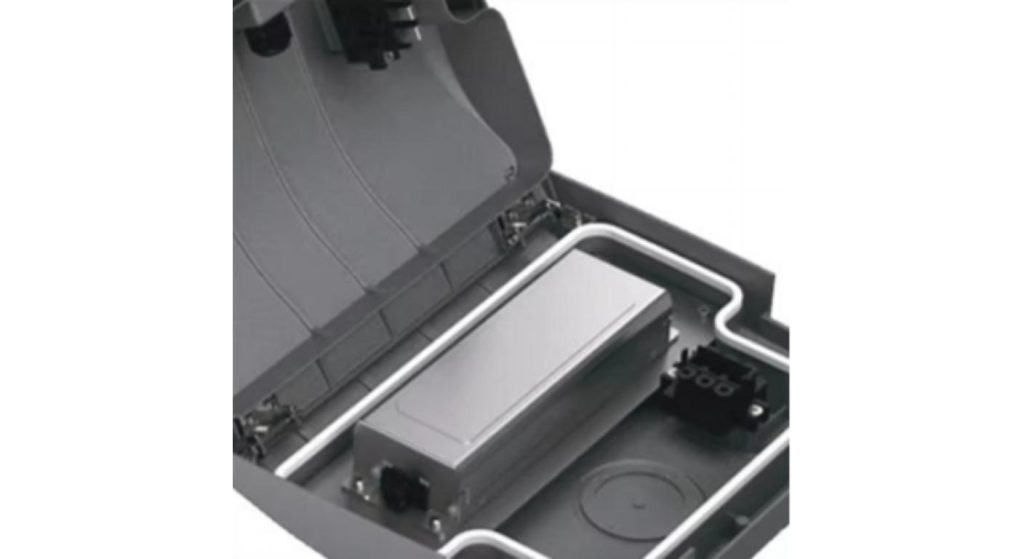
An outdoor enclosure rating is based on a specified product configuration. Verify the rating of the model ordered and the installation procedure for cable entries, connectors, covers and seals. A lamp housing cannot be considered as being equally protected if it is a protected lamp.
At installation, ensure the connector is oriented as indicated and is sealed according to instructions. Do not install unsupported cable runs, damaged seals or unauthorized modifications. Re-check these details each time components are changed or when an enclosure is opened.
The exposure to rain and to corrosion should also be considered separately. There are various types of conditions, such as a coastal roadside, a sheltered residential lane and an industrial entrance. Explain the environment to the supplier rather than relying upon a general waterproof claim as being suitable in all environments.
Don’t judge a book by its cover: check the look of an exterior finish.
Dawn Lighting’s semi-integrated solution features a die cast aluminium housing and surface made from tempered glass. Details that can be beneficial in construction applications include seals, fasteners and how the product can be opened for maintenance.
A neat exterior photo can’t be used to demonstrate the quality of all connections and joints. Request model specific construction information and appropriate inspection records. If coatings are required, verify the finish and colour, acceptance and handling instructions of parts supplied.
Assess poles and brackets at an outdoor assembly. Solar panel increases exposed area and angle of solar panel has influence on loading. If the change is in panel size or positioning, this has to be considered with the supporting structure and not just as a cosmetic change to the structure.
Match Battery Conditions with the Local Climate
Battery is daily exposed to its installation environment, even when light is turned off. Inquire about its location, to know how it is kept safe, and what are the charging and discharging temperature ranges for the battery and controller that you chose?
Where temperatures are cold, check the charging protection plan, not the general operating temperature statement. Talk about enclosure exposure and thermal management in hot locations. An aluminium housing doesn’t give you any indication that all parts inside the housing stay within limits.
Weather endurance also requires a local context which is cloudy weather. Ask for the planned operating time, as well as the assumptions for the backup time. The actual outcome depends on shade, the amount of sun throughout the year, battery health and dimming settings.
Determine How to Manage Dust
Solar collection can be hampered by dust, bird droppings, leaves and other deposits. They can build up in different amounts at different sites and a roadside adjacent to earthworks may require a different approach to a man-made road surface in a residential area. Discuss Panel Access in the maintenance discussion prior to installation.
Dawn Lighting’s integrated solar street light with sensor refers to an automatic panel cleaner and rain sensor. These are features of this product and not standard equipment throughout the range. Verify the version, cleaning method, interchangeable parts and suggested inspection method.
Local deposits should be still taken into consideration when considering automatic cleaning. Inquire about the mechanisms that make it suitable for the conditions it will face and when it requires hand maintenance. Avoid changing the cleaning technique as it could damage the panel or seals, ensure that the cleaning method being used is the same as recommended by the manufacturer.
Verify the Installed Light from the Users’ Perspective
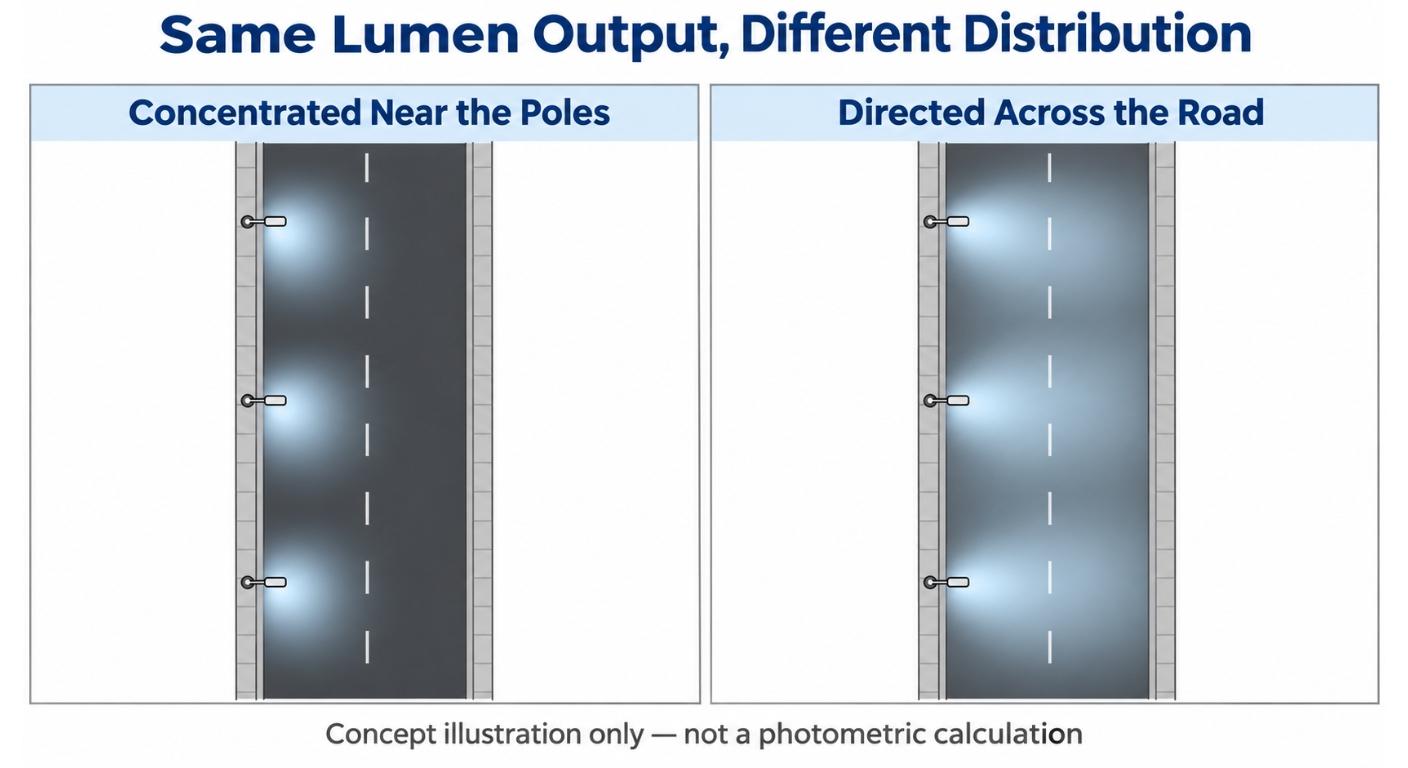
Once installed, evaluate road from pedestrian and driver perspectives. Inspect all openings, bends, crossings and at the perimeter of the proposed lighting zone. There can be a lot of poorly lit areas between poles, but a bright area directly underneath a pole can exist.
Check installation to the approved photometric layout and controller schedule. If system dims overnight, consider what lighting levels are needed at that setting. Don’t solve a distribution problem by merely producing more output and battery demand.
Test the sensors (if present) for their detection range and return to background output. The surrounding vegetation or positioning may need to be reviewed if there is any nearby moving vegetation or positioning. Any alteration shall not alter the agreed lighting requirement or be outside the approved configuration of the product.
| Review Trigger | What to Record | Follow-up |
| Tree growth | New shadow locations | Reassess panel exposure |
| Nearby construction | Changed skyline and dust | Inspect charging conditions |
| Severe weather | Visible damage or movement | Arrange qualified inspection |
| Unexpected early dimming | Date, weather, and settings | Compare with commissioning records |
| Component replacement | New part identification | Update the maintenance file |
Conclusion
The right outdoor solar street light is suitable to its environment and lighting application. Shade, check environmental protection, match battery status and plan cleaning prior to ordering. Next, test the installed system with varying weather conditions, and make minor adjustments to the site before they start to affect system performance.
FAQs
Q1. Could an outdoor solar street light be used under trees?
If there is enough usable sunlight to reach the panel. Consider reconfiguring or seasonally shading or shade.
Q2. Does rain help keep the solar panel clean?
Only in some locations at times. Check for any deposits left and clean it with the process recommended by the manufacturer.
Q3. Is waterproof a material that is corrosion-proof?
No. Check separately the protection of enclosure and suitability of materials and finishes to resist the corrosion expected on the site.
Q4. Will it be possible to add a larger panel at a later stage?
Only after compatibility and structural review has been performed. The controller, mounting, wiring and structure should be appropriate for the proposed change.
Q5. Before I ask for a suggestion, what should I take pictures of?
Take photos of each proposed pole location including the surrounding obstructions, road and access conditions. Provide location and necessary hours of operation at night.
- 10 Meters Lamp Post
- 10 Meters Pole
- 1000w Led Projector
- 100W LED Tunnel Light
- 12 Meters Lamp Post
- 12 Meters Pole
- 1200w Led Projector
- 15 Light Pole
- 1500w Led Projector
- 150W LED Tunnel Light
- 1800w Led Projector
- 2 In 1 Solar Flood Light
- 200w Led Tunnel Light
- 50w Led Tunnel Light
- 6 Meters Lamp Post
- 6 Meters Pole
- 8 Meters Lamp Post
- 8 Meters Pole
- 800w Led Projector
- 80w Led Tunnel Light
- Colourful Decorative Light
- Conical post
- Courtyard Lamp
- courtyard light
- courtyard lighting fixture
- Decorative Landscape Light
- Decorative road Light
- Flood Light For Courtyard
- Flood Light for Garden
- Flood Light For Outdoor
- Foot Led High Bay Lights
- high bay led lights 100w
- industrial lampshade
- industrial LED shed lights
- industrial magnifying glass with light
- Integrated Solar Flood Light
- led courtyard lamp
- led courtyard light
- led high bay light 100w
- LED Projector For Stadium
- Led UFO High Bay 150W 5000k
- Lighting Plants Mining Price
- Maintenance Free LED Street Light
- Pic Controlling Tunnel Light
- PLC controlling tunnel light
- Post Top Garden Light
- RGB Landscape Light
- Rgbw Decorative Light
- Smart Tunnel Light
- solar courtyard lamp
- solar courtyard light
- Solar LED Road Light
- Solar Street Light For 10 Meter Pole
- Solar Street Light For 12 Meter Pole
- Solar Street Light For 6 Meter Pole
- Solar Street Light For 8 Meter Pole
- Split Type Solar Flood Light
- Sporting Projector
- Stadium Led Projector
- Street Lighting Post
