
 Request A Quote

Do street lights have cameras?
 FACEBOOK
 TWITTER
 LINKEDIN
Street lights are a basic but vital element of city infrastructure, offering illumination and security during the nighttime hours. But in the age of smart cities, where street lights are increasingly connected to the internet, one question is frequently asked:
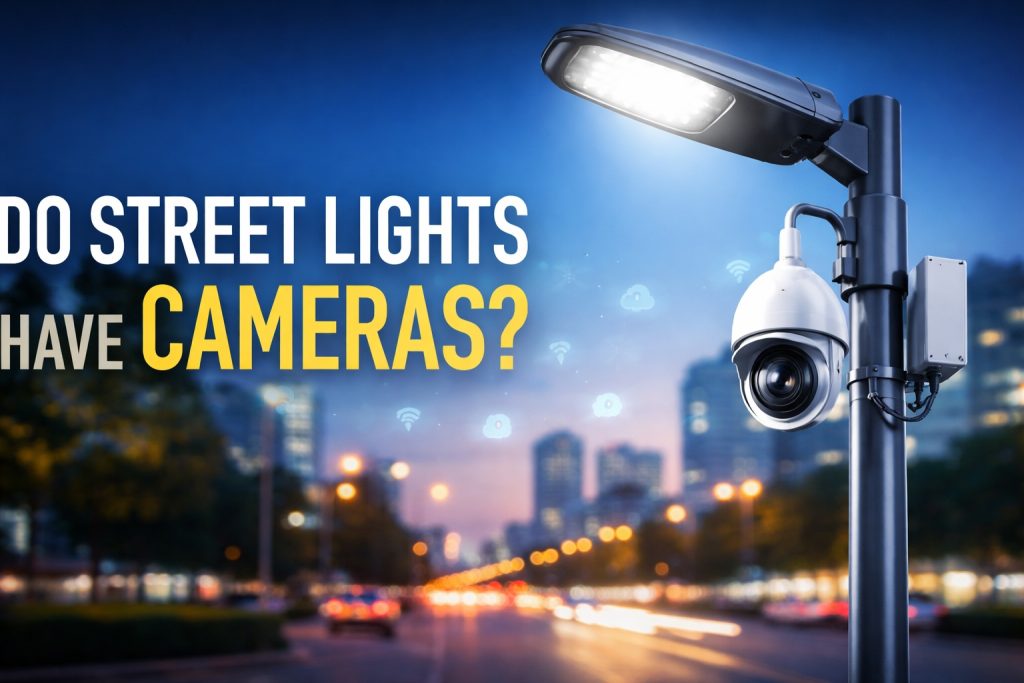
Do street lights have cameras?
The short answer is: it depends. Older street lights do not contain cameras, but new smart street lighting systems are increasingly incorporating cameras and other sensors. In this article, we’ll explain everything you need to know about them, including how they work, why they are being used and the privacy implications.
Do All Street Lights Have Cameras?
No, the majority of street lights do NOT have cameras.
Street lights are designed to provide light. They are installed to increase visibility for motorists, pedestrians and cyclists, and to prevent accidents and ensure safety during the night.
But with the advent of smart cities, some street lights do contain cameras or have cameras attached. These are typically found in:
- Urban centers
- High-traffic intersections
- Smart city pilot zones
- Commercial districts
In most residential areas, street lights are still simply used for lighting.
Why Are Cameras on Street Lights?
Cities are emerging with a growing need for improved safety, efficiency and infrastructure. Street light poles are the perfect place to install cameras as they are:
- Already installed in key locations
- Elevated for a wide viewing angle
- Already powered
- Cheap in comparison to infrastructure build
Rather than erecting poles for cameras, cities can replace street lights.
Why are they installed?
- Traffic Monitoring
Traffic cameras can be used to study traffic patterns, detect bottlenecks and set up traffic lights. - Public Safety
Cameras can also help prevent crime and are useful for investigations. - Law Enforcement & Automation
Some systems can detect violations such as:
- Speeding
- Running red lights
- Illegal parking
- Smart Cities Data Collection
Smart systems anonymously gather data for:
- Urban planning
- Crowd movement analysis
- Environmental monitoring
The Types of Cameras on Street Lights
There are various types of cameras found on street lights. Here are the most common types:
- Traffic Cameras
Monitor traffic and road conditions.
- Surveillance Cameras
Placed for routine crime prevention. 3. Red Light Enforcement (RLE)
- Red-Light Cameras
Automatically detect and record vehicles that go through red lights.
- Speed Cameras
Measure and record speeding vehicles.
- Automatic Number Plate Recognition (ANPR)
Capture and record license plates to enforce regulations or track vehicles.
These cameras are typically attached to the arm or pole – not the light.
So, Are Cameras in Street Lights?
In most cases, no.
Cameras are typically:
- Mounted externally
- Obvious (but sometimes subtle)
- Housed in separate units
But new lights may conceal cameras more effectively for discreetness.
How to Recognize a Camera on a Street Light
Look for:
- Dome-shaped or box-like attachments
- Visible lenses
- Extra wiring or equipment boxes
- Equipment facing roads or footpaths
If a pole appears more complicated than a light, it could have security features.
Sensors vs Cameras: What’s the Difference?
Sensors are often mistaken for cameras.
Street lights can contain sensors, but not cameras, including:
- Photocells (automatically switch lights on/off)
- Motion detectors
- Radar or infrared sensors
- Environmental sensors (air quality, noise, temperature)
These sensors don’t take photos or video: they gather data.
Smart Street Lights are the New Normal
Smart street lighting is changing the urban landscape.
Modern street light systems can include:
- CCTV cameras
- Wi-Fi hotspots
- 4G/5G connectivity
- Environmental monitoring tools
- Integration with traffic control
“Smart poles” are multi-use city infrastructure, gathering and sharing information in real time.
Benefits of Smart Lighting Systems
- Improved traffic efficiency
- Faster emergency response
- Reduced energy consumption
- Better urban planning
Many cities around the world are investing in these technologies for smart cities.
Privacy Issues: Should We Be Concerned?
Cameras on street lights have privacy implications.
Common Concerns
- Perpetual public surveillance
- Data storage and usage
- Facial recognition technology
- Lack of transparency
Although cameras are generally used for security and traffic monitoring, some people are concerned about the extent of surveillance.
Legal and Ethical Considerations
Municipalities and governments need to consider:
- Public safety
- Individual privacy rights
Regulations often require:
- Clear signage
- Data protection policies
- Limited access to video footage
But surveillance and privacy concerns remain as technology evolves.
Do Street Light Cameras Always Capture Footage?
Not always.
Some cameras:
- Record continuously
- Triggered by human activity
- Take photos for infringements
Some only monitor in real-time.
The purpose of the camera depends on:
- Local laws
- System design
- Intended purpose
Can You Install Street Lights with Cameras?
Yes, especially for:
- Residential communities
- Commercial properties
- Parking lots
- Industrial areas
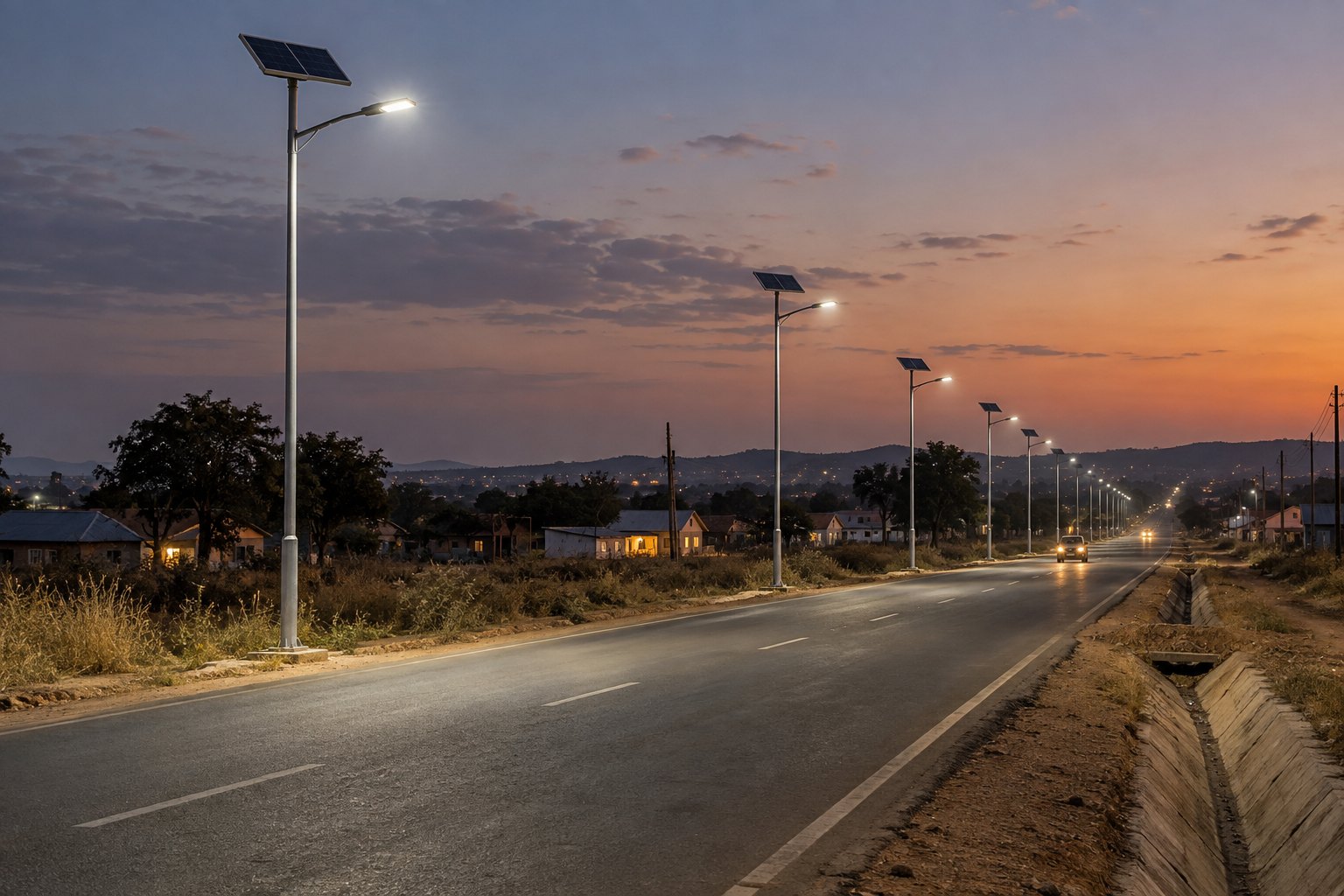
Today, solar street lights with cameras are available, with:
- Easy installation (no wiring needed)
- Remote monitoring via mobile apps
- 24/7 surveillance
- Cost savings on infrastructure
This technology is also becoming common in developing countries and remote areas.
Final Thoughts: Are Street Lights Watching You?
So, do street lights have cameras?
Sometimes—but not usually.
- Street lights are mostly just lights
- Newer poles may have cameras and sensors
- They usually have a clear purpose
In the ongoing drive to create smart cities, street lights are increasingly becoming more than just lighting: they become infrastructure.
And while this development offers significant improvements in safety and efficiency, it also raises concerns about transparency and data privacy.
- 10 Meters Lamp Post
- 10 Meters Pole
- 1000w Led Projector
- 100W LED Tunnel Light
- 12 Meters Lamp Post
- 12 Meters Pole
- 1200w Led Projector
- 15 Light Pole
- 1500w Led Projector
- 150W LED Tunnel Light
- 1800w Led Projector
- 2 In 1 Solar Flood Light
- 200w Led Tunnel Light
- 50w Led Tunnel Light
- 6 Meters Lamp Post
- 6 Meters Pole
- 8 Meters Lamp Post
- 8 Meters Pole
- 800w Led Projector
- 80w Led Tunnel Light
- Colourful Decorative Light
- Conical post
- Courtyard Lamp
- courtyard light
- courtyard lighting fixture
- Decorative Landscape Light
- Decorative road Light
- Flood Light For Courtyard
- Flood Light for Garden
- Flood Light For Outdoor
- Foot Led High Bay Lights
- high bay led lights 100w
- industrial lampshade
- industrial LED shed lights
- industrial magnifying glass with light
- Integrated Solar Flood Light
- led courtyard lamp
- led courtyard light
- led high bay light 100w
- LED Projector For Stadium
- Led UFO High Bay 150W 5000k
- Lighting Plants Mining Price
- Maintenance Free LED Street Light
- Pic Controlling Tunnel Light
- PLC controlling tunnel light
- Post Top Garden Light
- RGB Landscape Light
- Rgbw Decorative Light
- Smart Tunnel Light
- solar courtyard lamp
- solar courtyard light
- Solar LED Road Light
- Solar Street Light For 10 Meter Pole
- Solar Street Light For 12 Meter Pole
- Solar Street Light For 6 Meter Pole
- Solar Street Light For 8 Meter Pole
- Split Type Solar Flood Light
- Sporting Projector
- Stadium Led Projector
- Street Lighting Post
