
 Request A Quote

Tennis Court Lighting Design: How Smarter Lighting Helps Courts Perform Better
 FACEBOOK
 TWITTER
 LINKEDIN
Tennis Court Lighting Design is no longer only about achieving high brightness. For today’s buyers, it is increasingly about creating a court that performs well, looks professional, supports easier maintenance, and stays ready for future venue needs. As more tennis clubs, schools, municipalities, and sports contractors invest in upgraded facilities, lighting decisions now influence not only visibility, but also operating efficiency, player experience, and long-term project value.
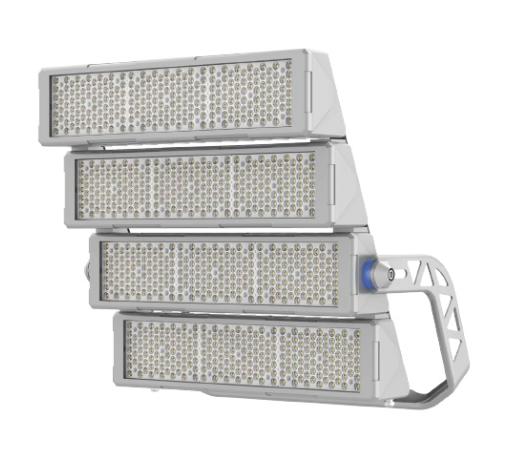
For overseas buyers and project teams, this creates a useful shift in procurement thinking. Instead of focusing on wattage alone, they are looking more closely at questions such as:
• Can the lighting deliver consistent court visibility?
• Can the system reduce glare and unnecessary spill light?
• Can maintenance become easier on high poles?
• Can the venue support livestreaming or broadcast-level events in the future?
That change is positive for the market because it pushes lighting design toward better overall project performance rather than simple output comparison.
Why Better Tennis Court Lighting Design Creates More Project Value
A well-planned tennis lighting system helps owners and contractors achieve more than night-time visibility. It supports a more comfortable playing environment, strengthens the professional image of the venue, and improves the reliability of daily operations.
For tennis applications, lighting quality matters because players repeatedly track a fast-moving ball at different heights and angles. That means the lighting system should support:
• Clear and stable court visibility
• Good brightness uniformity across the playing area
• Reduced glare for players and spectators
• Better control of off-site light spill
• More dependable performance over time
When these factors are handled well, the result is not only a better court, but also a more successful project from a commercial perspective. Clubs can create a stronger player experience. Public venues can improve usability. Contractors can deliver a more competitive solution. Importers and distributors can offer products that better match modern buyer expectations.
The Market Is Moving Toward Higher Standards
Sports lighting projects are evolving because venue owners now expect more flexibility from every infrastructure investment. A tennis court may be used for training today, local competition tomorrow, and branded events or video content in the future. Because of that, lighting systems are increasingly expected to support:
• Everyday recreational play
• Competitive tennis environments
• Cleaner visual presentation for media content
• Lower maintenance pressure for operators
• Better adaptability for long-term venue upgrades
This trend is especially important for buyers who want to future-proof their projects. A lighting system with stronger optical control, more professional color performance, and easier service access can offer more value over the life of the venue.
How Dawn Lighting Meets the Needs of Modern Courts
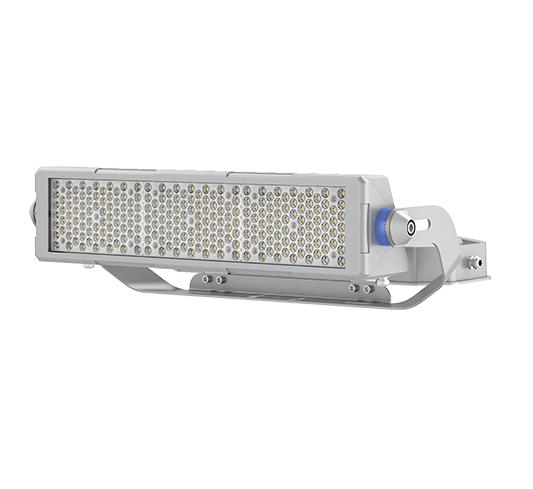
Dawn Lighting provides a response to market needs through a high-power LED solution to lighting for demanding sports and infrastructure projects. The technology is purpose-built for not just output, but also ease of maintenance, greater durability, and more sophisticated lighting performance.
Several product features stand out for tennis court applications.
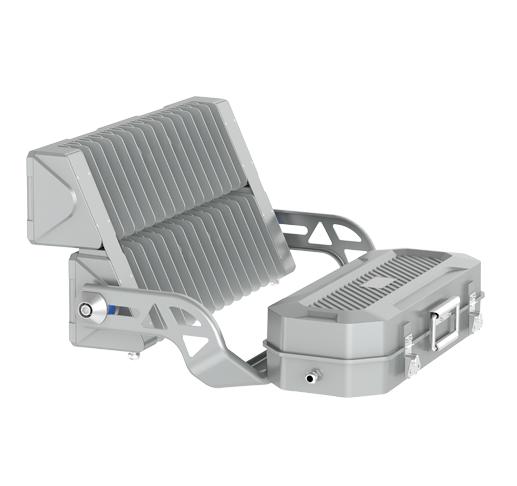
Aluminum Removable Driver Box Supports Easier Maintenance
One of the biggest practical advantages is the removable aluminum driver box. For high-mast lighting, maintenance access can become a major long-term concern. Dawn Lighting improves this part of the project by allowing the driver box to be remotely mounted, helping reduce pole-top weight and making service access more convenient.
The benefits to project teams are evident:
• Reduces weight stress at the top of the pole
• Assists in maintenance planning
• Simplifies wiring during installation
• Enables better servicing throughout the project lifecycle
• Improves practicality for large outdoor sports venues
For buyers, the value proposition is strong. Systems that are easier to maintain lead to fewer operational disturbances, increased reliability, and more long-term savings.
Lighting designed for broadcast grade has the potential to elevate the venue even further. Dawn Lighting delivers strong visual performance with an industry-leading standard for projects needing an even higher-grade presentation. With a luminous efficacy of up to 150 lm/W and broadcast-specifications such as TLCI >95 and R9 >0, the fixture enables true-to-life color rendering and is flicker-free.
That creates clear advantages for courts that may host media-facing events or premium sports programming:
• More natural color for players, surfaces, and signage
• Better image quality for cameras and video capture
• Improved readiness for livestreaming or broadcast use
• Stronger venue image for competitive and commercial events
For clubs, contractors, and venue owners, this means a lighting investment can support both daily operation and future event ambitions.
Optical Control Helps Makes Courts More Comfortable and Professional
In Tennis Court Lighting Design, the output is only one measurable aspect of the project’s overall quality. Beam accuracy, aiming flexibility, and spill control all play an important role in how the court actually performs.
Dawn Lighting improves this area through:
• Spill visor options for better light control
• Racked angle brackets with degree indication for more precise aiming
• Beam angle options from 10° to 90° for different design needs
• IK08 polycarbonate lenses for reliable optical performance
These features help lighting designers and contractors create more tailored solutions for different tennis venues, whether the goal is club-level lighting, school courts, municipal facilities, or higher-end competition environments.
Better optical control can help projects achieve:
• Better court uniformity
• Less unwanted light control
• Less spill light into adjacent areas
• Greater visual comfort for players
• More professional overall court presentation
This is particularly beneficial in urban or mixed-use scenarios where controlling surrounding light is increasingly important.
Outer Construction is Built to Last
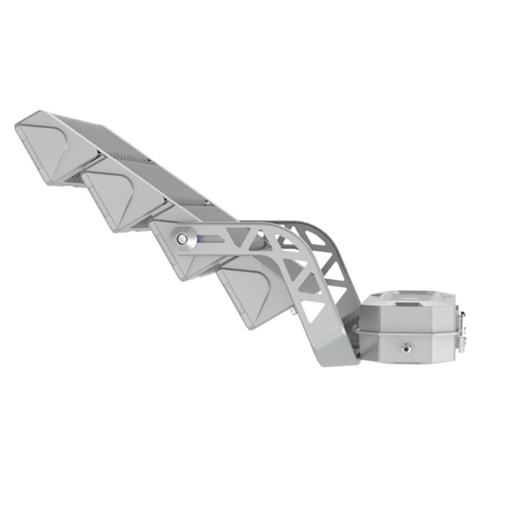
The outdoor sports lighting must withstand weather changes and exposure to dust, humidity, and UV light. To support these demands, Dawn Lighting offers ADC12 die-cast aluminum housings for heat dissipation and durability. There is also an optional 4 mm tempered glass cover for harsher environments (e.g. coastal areas).
From the purchasers perspective, this construction offers:
• Improved resistance to corrosion/rust
• Better protection in extreme outdoor environments
• Improved thermal efficiency
• Longer fixture life in high-demand projects
• More confidence in big sports installations
For importers and distributors, the durable housing is simply an engineering detail, while adjustable optical control is a more vital customer benefit, especially in markets where purchasers value lifespan, durability against the weather, and a low need for maintenance.
What Buyers Should Emphasize During Procurement
A more positive and effective procurement process begins with the right questions. Looking beyond just wattage, customers can better inform their project outcomes by considering how well the system will facilitate actual court performance.
Guiding evaluation criteria include:
• If the lighting arrangement will allow for even coverage across the courts
• If the lighting design will control glare and spill light
• If the driver design will allow for maintenance simplification
• If the fixture design will withstand the local climate
• If the lighting design will allow for media or event upgrades
Considering these criteria will allow customers to make better commercial decisions and avoid project constraints.
Why Dawn Lighting Fits the Direction of the Market
The sports lighting market is moving toward smarter, more adaptable, and more maintenance-friendly solutions. Buyers increasingly want systems that improve usability, reduce service complexity, and support higher venue standards over time.
Dawn Lighting merges several advantages into one solution:
• High power output for challenging sports projects
• Removable driver box design for improvement easier maintenance
• Broadcast quality light for more sophisticated venue requirements
• Greater aiming and spill control with flexible optics
• Long term outdoor reliability with durable housing
In a way, Tennis Court Lighting Design is expanding into a more comprehensive project approach instead of just basic lighting design. A better solution helps venues perform better, look better, and operate with more confidence. For overseas buyers, contractors, and distributors, that is exactly where stronger project value is created.
- 10 Meters Lamp Post
- 10 Meters Pole
- 1000w Led Projector
- 100W LED Tunnel Light
- 12 Meters Lamp Post
- 12 Meters Pole
- 1200w Led Projector
- 15 Light Pole
- 1500w Led Projector
- 150W LED Tunnel Light
- 1800w Led Projector
- 2 In 1 Solar Flood Light
- 200w Led Tunnel Light
- 50w Led Tunnel Light
- 6 Meters Lamp Post
- 6 Meters Pole
- 8 Meters Lamp Post
- 8 Meters Pole
- 800w Led Projector
- 80w Led Tunnel Light
- Colourful Decorative Light
- Conical post
- Courtyard Lamp
- courtyard light
- courtyard lighting fixture
- Decorative Landscape Light
- Decorative road Light
- Flood Light For Courtyard
- Flood Light for Garden
- Flood Light For Outdoor
- Foot Led High Bay Lights
- high bay led lights 100w
- industrial lampshade
- industrial LED shed lights
- industrial magnifying glass with light
- Integrated Solar Flood Light
- led courtyard lamp
- led courtyard light
- led high bay light 100w
- LED Projector For Stadium
- Led UFO High Bay 150W 5000k
- Lighting Plants Mining Price
- Maintenance Free LED Street Light
- Pic Controlling Tunnel Light
- PLC controlling tunnel light
- Post Top Garden Light
- RGB Landscape Light
- Rgbw Decorative Light
- Smart Tunnel Light
- solar courtyard lamp
- solar courtyard light
- Solar LED Road Light
- Solar Street Light For 10 Meter Pole
- Solar Street Light For 12 Meter Pole
- Solar Street Light For 6 Meter Pole
- Solar Street Light For 8 Meter Pole
- Split Type Solar Flood Light
- Sporting Projector
- Stadium Led Projector
- Street Lighting Post
