
 Request A Quote

Outdoor Lighting and Light Fixtures
 FACEBOOK
 TWITTER
 LINKEDIN
Outdoor lighting and light fixtures are used far more than just to light up your property at night. They increase safety, add curb appeal, to make outdoor living spaces inviting, and to add value to property. When it comes to any outdoor project, be it residential, commercial, public park or industrial, the right outdoor lighting is crucial for both design and use.
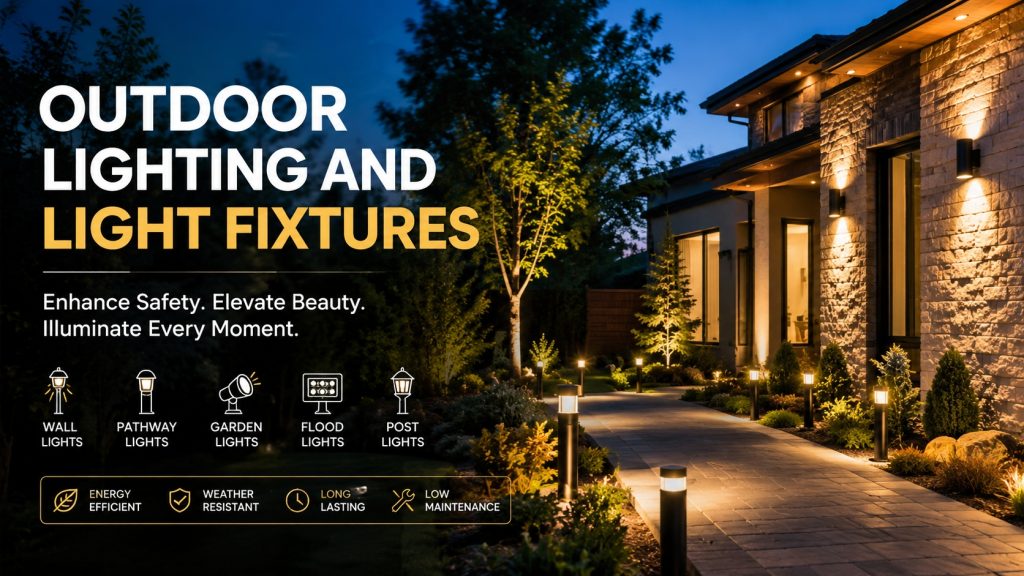
We’ll look at the various categories of lighting and light fixtures, their uses, important considerations, and the newest energy-efficient LED lighting trends.
Why Outdoor Lighting Matters
An outdoor lighting system is more than just visible; it comes with a host of benefits.
Improved Safety
Sufficient lighting helps to minimize accidents by making walkways, driveways, stairs and entrances visible at night. Another feature is the use of motion sensor lights that can give instant light when movement is detected.
Enhanced Security
The use of outdoor lighting strategically will help to deter trespassers and help to make the lighting more effective for surveillance cameras. Homes and businesses can be lit at the perimeter and have bright entrances for safety.
Increased Property Value
Properly lit landscaping shows off the architecture, gardens, patios and outdoor elements, enhancing the curb appeal and further adding value to the property.
Better Outdoor Living
Outdoor lighting enhances patios, decks, gardens, and entertaining areas into comfortable spaces able to be enjoyed well after dark.
Types of Outdoor Lighting and Light Fixtures
Requirements for outdoor lighting vary according to the outdoor environment.
Flood Lights
Flood lights are used for wide-area, bright light and are ideal for:
- Parking lots
- Building exteriors
- Sports facilities
- Warehouses
- Construction sites
- Security lighting
Brightness is much greater, and their energy use is much lower than with traditional halogen lights.
Wall Lights
Outdoor wall-mounted fixtures are typically mounted close to:
- Front doors
- Garage entrances
- Side entrances
- Balconies
- Commercial buildings
These fixtures not only provide functional light, but also serve an aesthetic purpose.
Pathway Lights
Pathway lighting provides safe access for pedestrian movement and adds beauty to the landscape.
Installations are typically made in any of the following locations:
- Garden paths
- Sidewalks
- Driveways
- Courtyards
- Resort landscapes
Pathway lights for the home and hospitality market use LED’s to deliver soft, glare free lighting.
Garden Lights
Garden lights emphasize landscape features such as:
- Trees
- Flower beds
- Water fountains
- Sculptures
- Rock gardens
Spotlights and adjustable landscape fixtures allow designers to create dramatic nighttime effects.
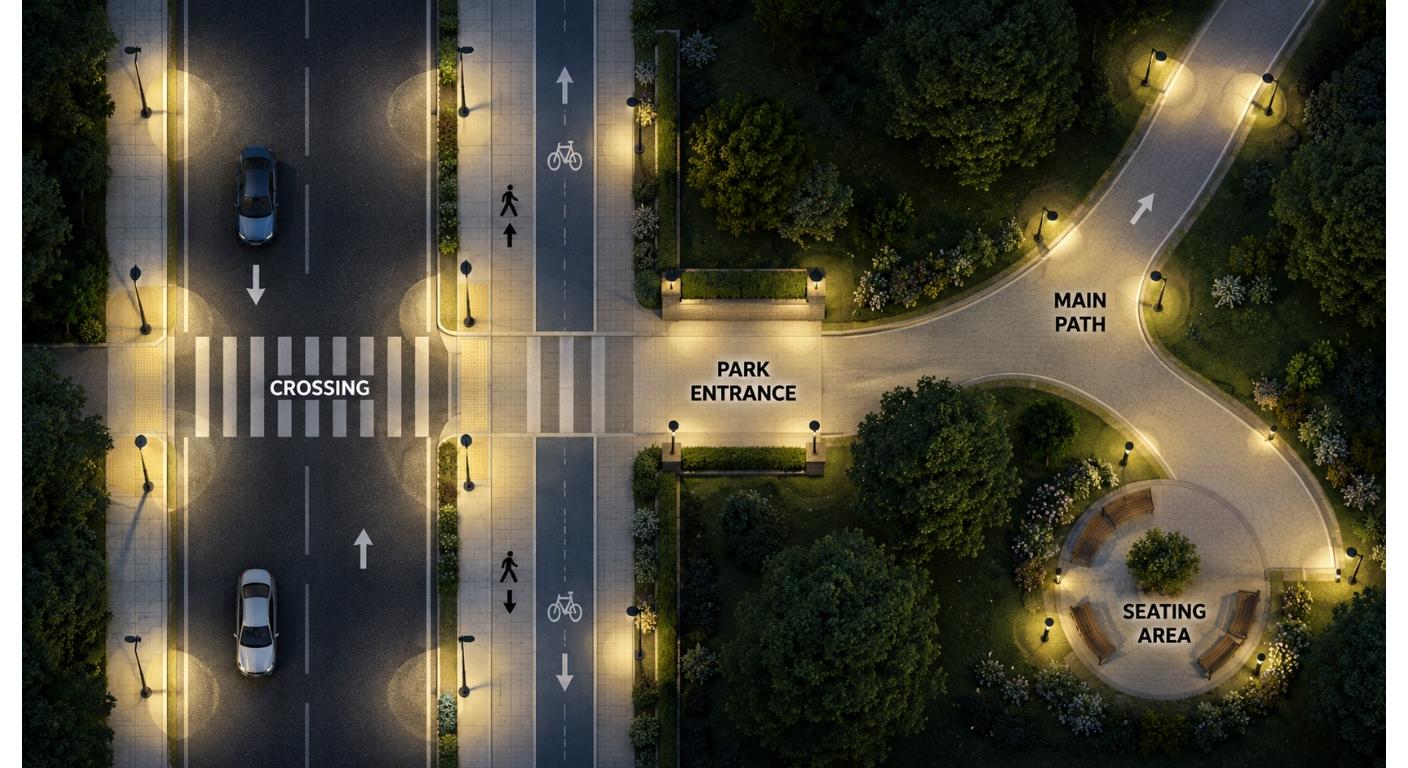
Street Lights
Street lighting is widely used in:
- Residential communities
- Municipal roads
- Industrial parks
- Campus roads
- Commercial districts
LED street lights have a long service life, low maintenance, and high energy efficiency.
Bollard Lights
Bollards help to illuminate low level areas and demarcate walkways and open areas.
Typical applications include:
- Hotels
- Shopping centers
- Office parks
- Public parks
- Residential pathways
Post Lights
Decorative post lights are ideal for:
- Gates
- Driveways
- Fences
- Gardens
- Villas
They combine beautiful and functional lighting.
LED Outdoor Lighting: The Modern Standard
The outstanding performance of LED technology makes it the optimal choice for outdoor lighting.
Superior Energy Efficiency
LED fixtures save up to 80% in electricity usage compared to incandescent and halogen lights and can delivers the same or more brightness.
Longer Lifespan
Good quality LED outdoor lights have lifespans of 30,000 to 100,000 hours, which is far more than most other types of lights.
Lower Maintenance
Facility managers invest less time in lighting system maintenance, as LEDs don’t need as much replacing.
Better Environmental Performance
LED lights are mercury free, generate less heat and deliver a reduction in carbon emissions due to reduced energy usage.
Instant Brightness
LEDs can light up instantly unlike some forms of conventional lighting that require a warm-up period to achieve full illumination.
Choosing the Right Outdoor Light Fixtures
Selecting suitable fixtures depends on several important considerations.
IP Rating
Outdoor fixtures must withstand environmental conditions.
Common ratings include:
- IP44: Protected against splashing water
- IP65: Dust-tight and water-resistant
- IP66: Suitable for heavy rain
- IP67: Temporary immersion protection
For harsh weather environments, IP65 or higher is generally recommended.
Brightness Requirements
Brightness is measured in lumens rather than watts.
Typical recommendations include:
- Garden paths: 100–300 lumens
- Patios: 300–800 lumens
- Driveways: 800–2,000 lumens
- Security lighting: 2,000–5,000 lumens
- Parking lots: 5,000+ lumens
Color Temperature
The color temperature affects the atmosphere of outdoor spaces.
- 2700K–3000K: Warm, relaxing ambiance
- 4000K: Neutral white for general outdoor areas
- 5000K–6500K: Bright daylight ideal for security and industrial applications
Material Quality
Outdoor fixtures should be made from durable materials such as:
- Die-cast aluminum
- Stainless steel
- Powder-coated steel
- UV-resistant polycarbonate
These materials resist corrosion, moisture, and long-term outdoor exposure.
Smart Outdoor Lighting Solutions
Smart technology has transformed modern outdoor lighting systems.
Popular features include:
- Wi-Fi control
- Mobile app management
- Motion detection
- Automatic scheduling
- Dusk-to-dawn sensors
- Voice assistant compatibility
- Brightness adjustment
- Energy monitoring
Smart lighting improves convenience while reducing unnecessary power consumption.
Outdoor Lighting Applications
Outdoor lighting serves a wide range of industries.
Residential Properties
Homeowners use outdoor lighting for:
- Landscape enhancement
- Security
- Outdoor entertainment
- Garden decoration
- Driveway illumination
Commercial Buildings
Businesses rely on outdoor lighting to improve:
- Customer safety
- Brand visibility
- Parking lot illumination
- Building appearance
- Energy efficiency
Industrial Facilities
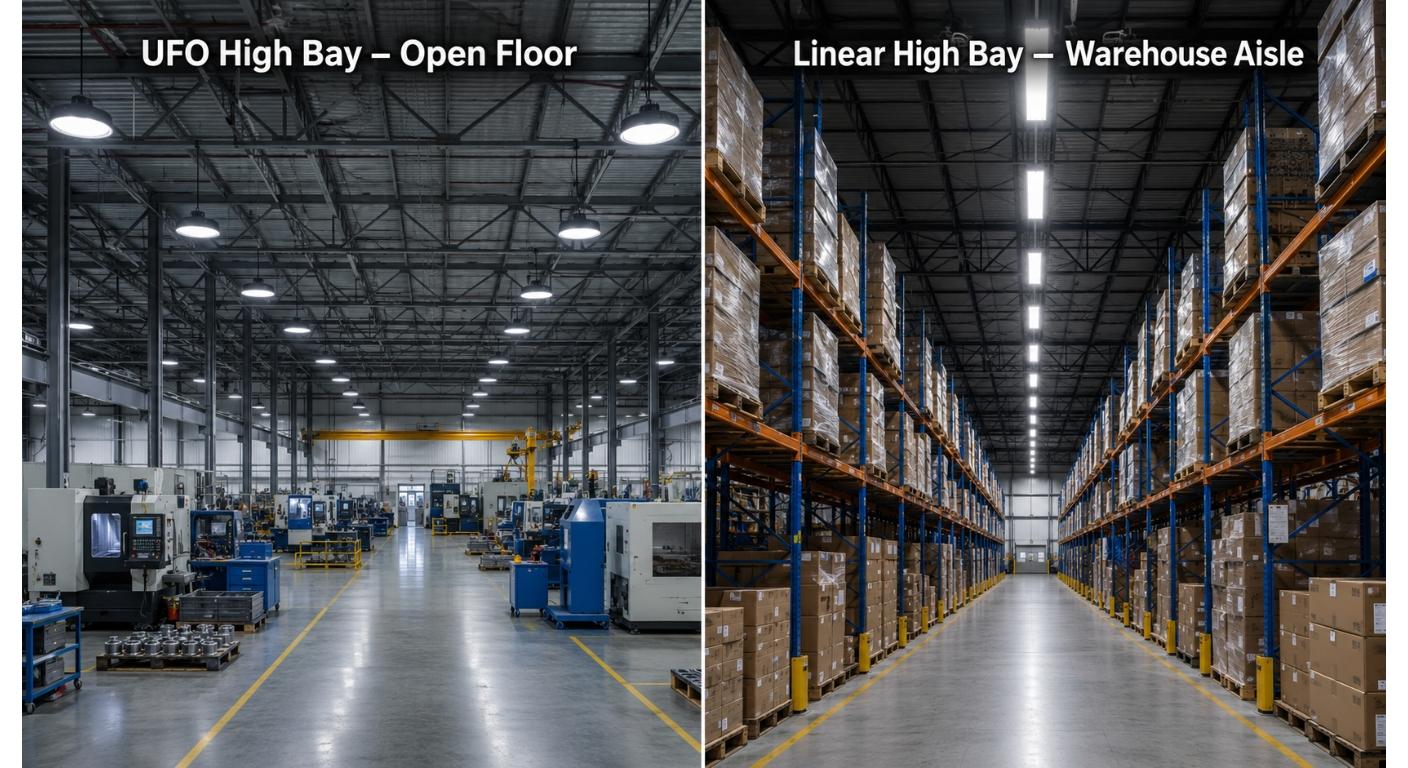
Factories and warehouses require high-output LED lighting for:
- Loading docks
- Storage yards
- Equipment areas
- Employee safety
- Security monitoring
Municipal Projects
Governments invest in LED outdoor lighting for:
- Streets
- Public parks
- Bridges
- Sidewalks
- Public squares
These projects reduce electricity costs while improving public safety.
Installation Tips
Proper installation ensures optimal lighting performance.
Best practices include:
- Avoid excessive glare.
- Space fixtures evenly.
- Use weatherproof wiring and connectors.
- Position flood lights carefully to eliminate dark zones.
- Select appropriate beam angles.
- Consider future maintenance access.
- Follow local electrical regulations.
Professional installation is recommended for large commercial or municipal projects.
Future Trends in Outdoor Lighting
The outdoor lighting industry continues to evolve with innovations such as:
- Smart city lighting systems
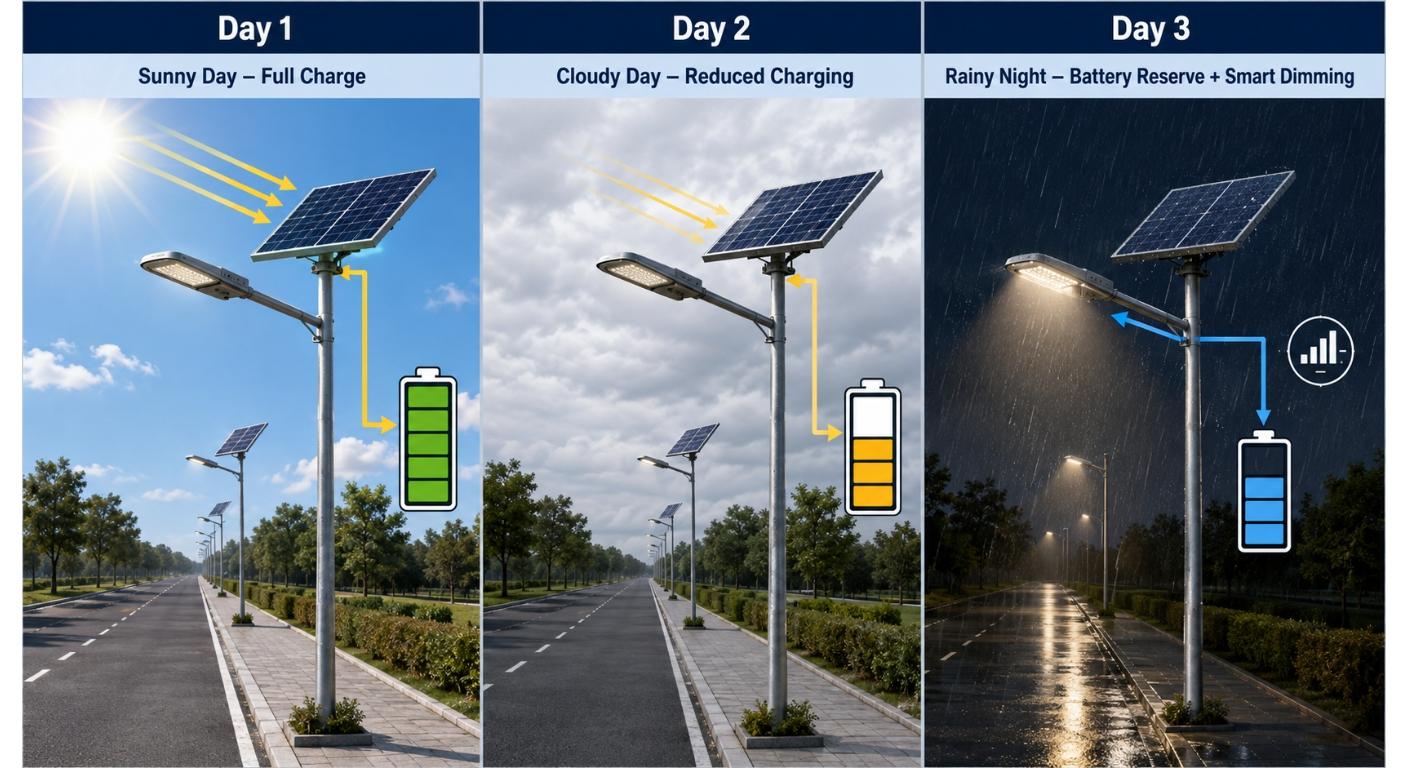
- Solar-powered LED fixtures
- AI-enabled lighting controls
- Adaptive brightness technology
- Wireless lighting management
- Integrated security lighting
- Sustainable manufacturing materials
These technologies help reduce operating costs while creating safer and more environmentally friendly outdoor environments.
Frequently Asked Questions
What is the best lighting for outdoor use?
LED lighting is widely considered the best choice due to its energy efficiency, long lifespan, durability, and low maintenance requirements.
Which IP rating is suitable for outdoor lighting?
For most outdoor applications, IP65 or higher provides reliable protection against dust and water.
Are LED outdoor lights worth the investment?
Yes. While the cost of the fixtures might be marginally more expensive upfront, LED fixtures offer substantial savings over their lifespan due to its energy and maintenance efficiency.
How long do LED outdoor light fixtures last?
LED outdoor fixtures typically have a lifespan of 30,000 to 100,000 hours, depending on the quality of the product and how it is used.
Conclusion
The selection of outdoor lighting and light fixtures is an investment in safety, efficiency and good looks. Whether a simple solution for a residential garden, business premises or industrial plant and infrastructure, the advantages of LED lighting are remarkable while the total cost of ownership is reduced.
Choosing fixtures that are long-lasting, weather-proof and are designed to be bright, colour and temperature matched and smart controlled will ensure that the property owners can have outdoor spaces that are safe, comfortable and energy-efficient for many years. Outdoor lighting will become an even more important part of smart and sustainable building design as LED and smart lighting continues to grow.
- 10 Meters Lamp Post
- 10 Meters Pole
- 1000w Led Projector
- 100W LED Tunnel Light
- 12 Meters Lamp Post
- 12 Meters Pole
- 1200w Led Projector
- 15 Light Pole
- 1500w Led Projector
- 150W LED Tunnel Light
- 1800w Led Projector
- 2 In 1 Solar Flood Light
- 200w Led Tunnel Light
- 50w Led Tunnel Light
- 6 Meters Lamp Post
- 6 Meters Pole
- 8 Meters Lamp Post
- 8 Meters Pole
- 800w Led Projector
- 80w Led Tunnel Light
- Colourful Decorative Light
- Conical post
- Courtyard Lamp
- courtyard light
- courtyard lighting fixture
- Decorative Landscape Light
- Decorative road Light
- Flood Light For Courtyard
- Flood Light for Garden
- Flood Light For Outdoor
- Foot Led High Bay Lights
- high bay led lights 100w
- industrial lampshade
- industrial LED shed lights
- industrial magnifying glass with light
- Integrated Solar Flood Light
- led courtyard lamp
- led courtyard light
- led high bay light 100w
- LED Projector For Stadium
- Led UFO High Bay 150W 5000k
- Lighting Plants Mining Price
- Maintenance Free LED Street Light
- Pic Controlling Tunnel Light
- PLC controlling tunnel light
- Post Top Garden Light
- RGB Landscape Light
- Rgbw Decorative Light
- Smart Tunnel Light
- solar courtyard lamp
- solar courtyard light
- Solar LED Road Light
- Solar Street Light For 10 Meter Pole
- Solar Street Light For 12 Meter Pole
- Solar Street Light For 6 Meter Pole
- Solar Street Light For 8 Meter Pole
- Split Type Solar Flood Light
- Sporting Projector
- Stadium Led Projector
- Street Lighting Post
