
 Request A Quote

Smart LED Street & Area Lighting Solutions for Sustainable Cities
 FACEBOOK
 TWITTER
 LINKEDIN
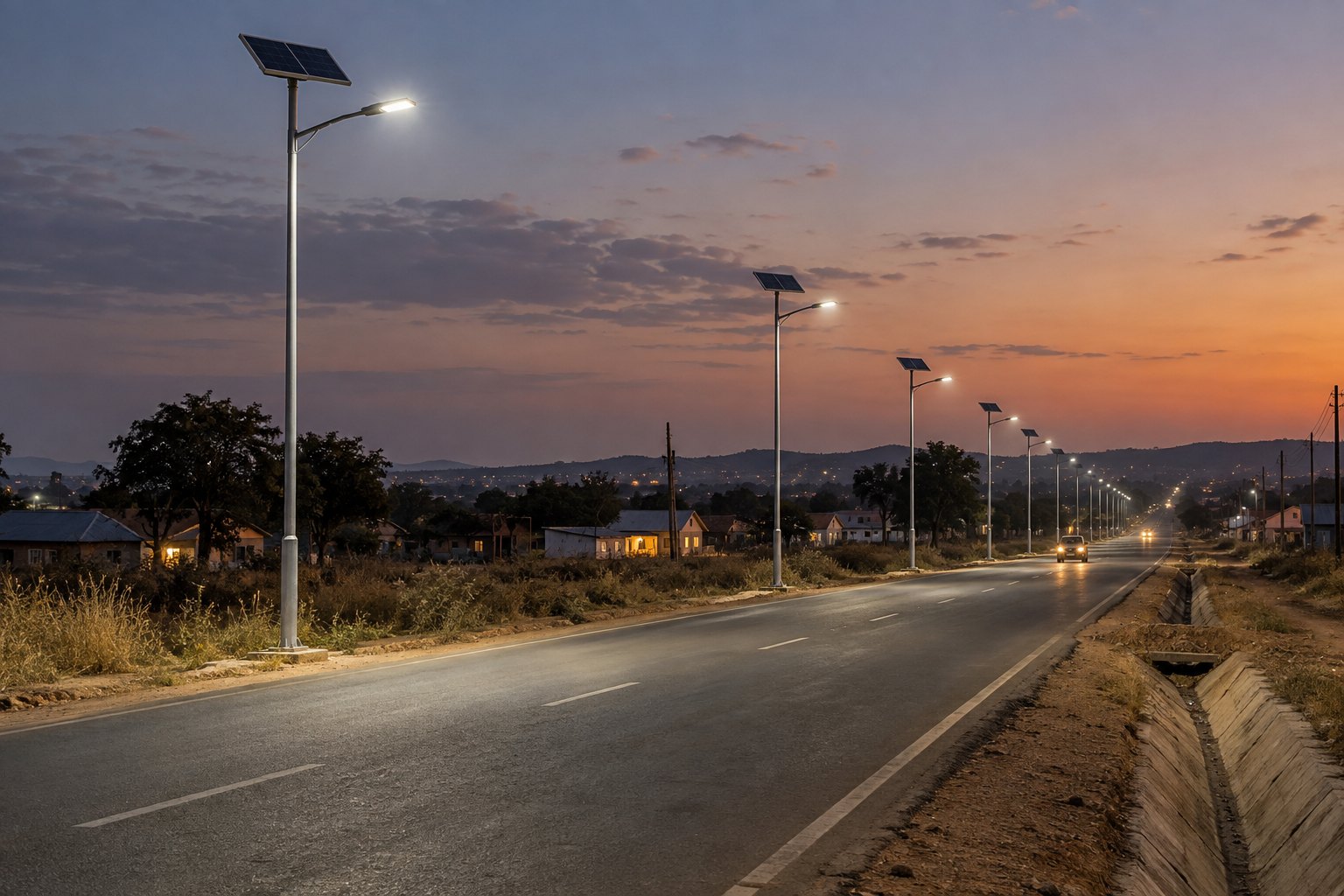
The modernization of the city lighting system is among the most effective measures that cities, towns, and municipalities can implement to achieve sustainability, safety, and cost-effectiveness. With the growing need to modernize by local governments and local public works agencies, state and municipal LED street and area lighting systems have become a staple of smart city implementations and community development.
In the modern world of high-paced urban development, street lighting products of the conventional high-pressure sodium (HPS) and metal halide types begin to lose their relevance. Such legacy systems are not only using up too much energy, but also creating high maintenance expenses and cannot even meet the current standards of performance. State of the art LED street lighting, particularly combined with smart lighting controllers and internet enabled management technologies transforms the outdoor light source in communities of any size.
What is LED Street and Area Lighting Systems?
The LED (Light Emitting Diode) street lights are used to substitute the outdated technologies with the energy saving street lights that are specifically used in the roads, highways, public parks, campus walkways and industrial areas. As compared to the conventional lighting, LEDs have even light distribution, better color rendering, enhanced visibility and much less energy use.
These systems can be used together with intelligent controls, allowing them to dynamically dim lights, monitor outages remotely, schedule, and provide real-time analytics, transforming basic lights into valuable infrastructure resources which can be deployed to serve other smart city objectives such as traffic monitoring, air quality sensors, and urban data services.
The main advantages of the conversion to LED Street and Area Lighting.
- Drama Energy and Cost Savings.
Legacy lighting to LEDs Communities that adopt and upgrade to LEDs usually realize energy savings of between 60 and 70 percent, which equates to massive utility bill savings when the investment is over a lifecycle. Moreover, there are improved designs of LED which do not need high wattage to compromise brightness or visibility.
Numerous cities are also saving as much as 80 percent of the maintenance expenditures over the long term due to the long life of the LED lights over older lighting technology.
- Emission of lower carbon and environmental impact.
LED lights use much less energy and have a longer lifespan that has a direct impact on the power of electricity production – in particular, fossil-based grids. This brings about quantifiable reductions of carbon emissions and assists cities to meet their climate mitigation goals.
To illustrate, the conversion of the large metropolitan areas to LED streetlights has been associated with environmental recognition and sustainability awards depending on what the large metropolitan areas have done in terms of reducing greenhouse gases.
- Improved Safety and Visibility of the Community.
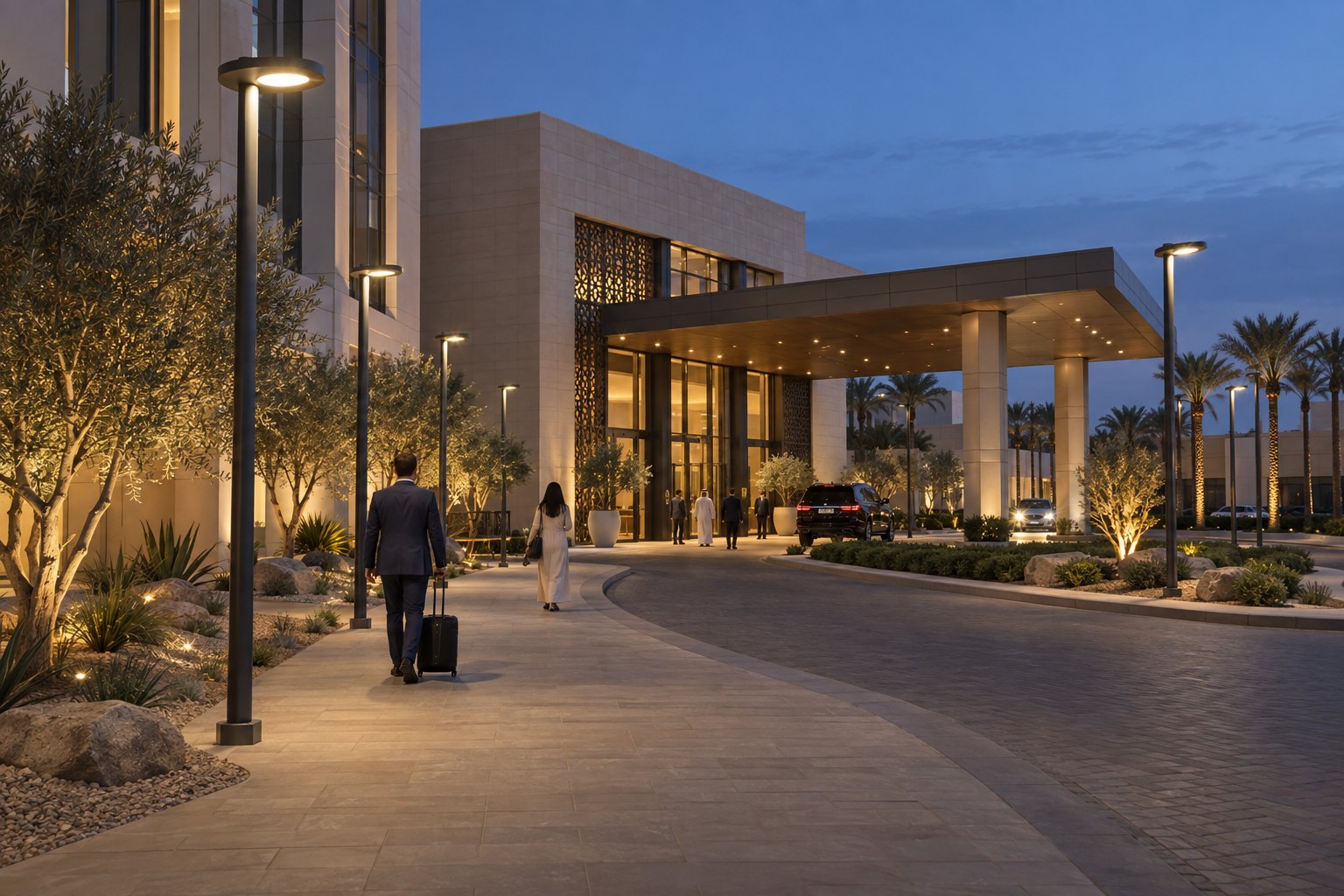
LED systems offer superior light quality and light distribution increasing visibility to the driver, pedestrians and cyclists. Bright lights minimize the dark areas of roads and other community areas, aiding in safer driving and increased levels of community safety.
- Connected Infrastructure and Smart Controls.
Contemporary street lights using LED do not simply light up roads. Communities with integrated networker smart controls can:
- Monitor outages remotely
- Dynamic brightness adjustment.
- Lessen irritating light pollution.
- facilitate service based notifications and analytics.
These features deserve to simplify the maintenance procedures and facilitate future-oriented urban technologies plans.
Blue Oceans Success of LED Street Lighting.
The usefulness of the current LED lights on the streets is confirmed by the high number of community projects around the country.
Urban Installations throughout the city.
- Over 77,000 of the old streetlights in a big Midwest city were substituted with smart LED luminaires with a result of tremendous energy savings and a Department of Energy designation as a sustainability leader.
Vast Municipal Conversions.
- One of the largest cities of the United States has implemented a massive LED renovation to approximately 280,000 lamps, which leads to the estimated savings of over 100 million dollars in electricity bills in a ten-year period.
Great City LED Modernization in the Southwest.
- And another city has successfully done a complete conversion of almost 100,000 lights to LED, about six times less energy consumption, and saving millions of pounds in utilities per year.
The following success stories highlight the importance of LED street and area lighting upgrades as a way to provide quantifiable financial, environmental and population safety benefits. The two cases also show how small and big cities can use the power of creative lighting techniques to modernize infrastructure and improve people’s living standards.
Best Practices in the Implementation of LED street lighting.
To the municipalities considering a light overhaul, success is pegged on a cautious approach and context of the area. The leaders of the industry suggest a systematic strategy that involves:
✔ Full Inventory Audits.
Adding specific analysis of lights, poles, interspacing, and traffic pattern would suit the specific needs of a particular community.
✔ GIS-Driven Lighting Design
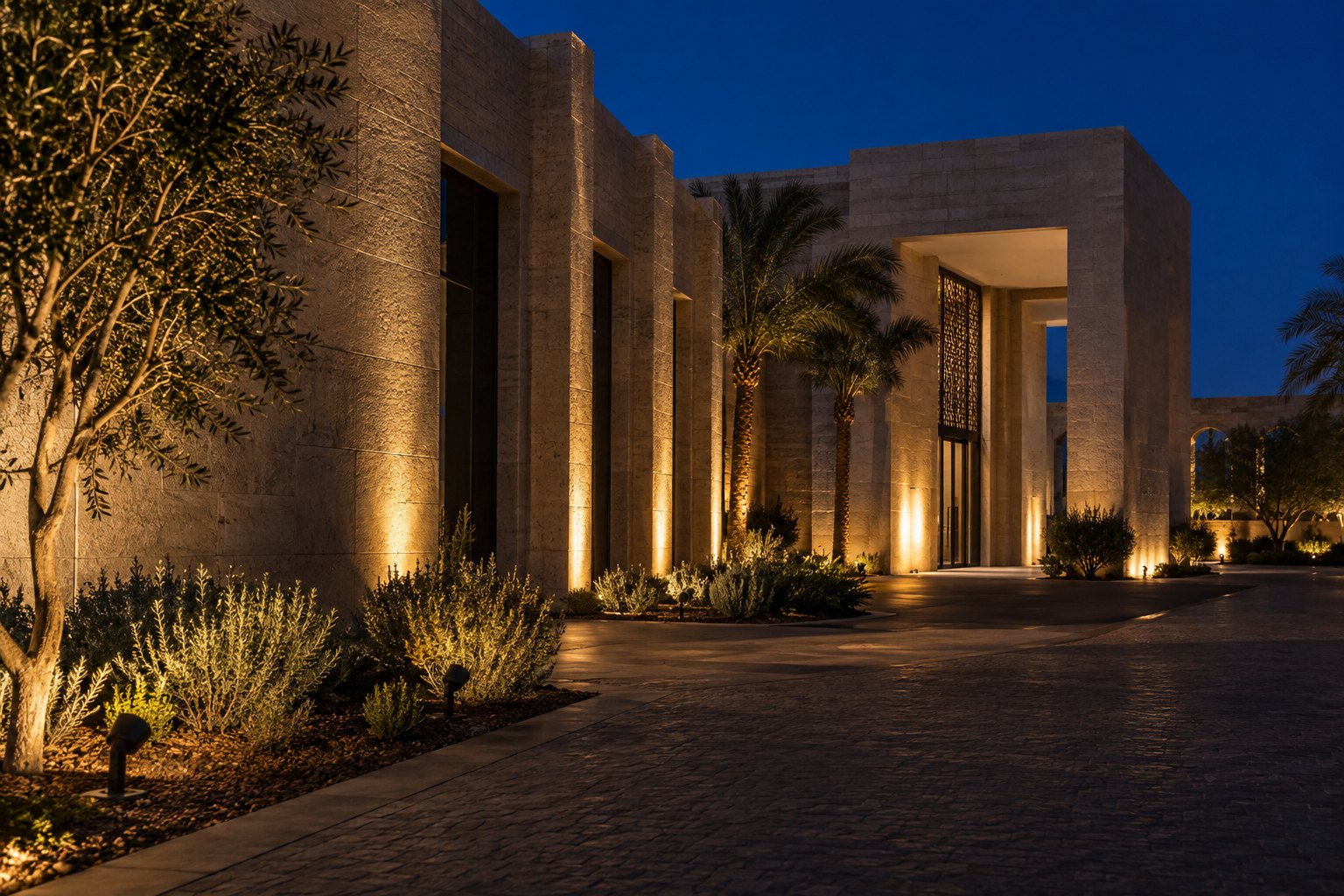
Application of geographic information systems is to provide the best positioning, minimize glare, and conserve energy and also maximize coverage.
✔ Lifecycle Analysis and Fixture selection.
The comparison of the various LED choices on the basis of photometric performance and long-term operation costs, guarantees the optimal fit to be made under particular places and climate conditions.
✔ Incentive/ Rebate Maximisation.
Numerous programs at the local and federal level provide financial incentives on energy efficiency projects to assist municipalities in lowering initial expenses and enhancing ROI.
✔ Community Engagement and outreach.
Communication of project goals and benefits to residents and other stakeholders will generate support among people and emphasize the positive aspects of the project such as better lighting and reduced energy costs.
Intelligent Smarts LED Street and Area Lighting.
The change to LED street and area lighting is not merely a change of the bulbs, but a long term investment in intelligent infrastructure that creates safer, more sustainable and technologically enhanced communities. LED lighting is an essential part of the modern urban planning as it offers numerous positive effects on surrounding along with major savings and enhancement of the services provided to the population.
Be it controlling lighting of a small town or a big city, or a big metropolitan area, the implementation of LED street lighting technology today is the beginning of smarter, greener infrastructure over the decades.
- 10 Meters Lamp Post
- 10 Meters Pole
- 1000w Led Projector
- 100W LED Tunnel Light
- 12 Meters Lamp Post
- 12 Meters Pole
- 1200w Led Projector
- 15 Light Pole
- 1500w Led Projector
- 150W LED Tunnel Light
- 1800w Led Projector
- 2 In 1 Solar Flood Light
- 200w Led Tunnel Light
- 50w Led Tunnel Light
- 6 Meters Lamp Post
- 6 Meters Pole
- 8 Meters Lamp Post
- 8 Meters Pole
- 800w Led Projector
- 80w Led Tunnel Light
- Colourful Decorative Light
- Conical post
- Courtyard Lamp
- courtyard light
- courtyard lighting fixture
- Decorative Landscape Light
- Decorative road Light
- Flood Light For Courtyard
- Flood Light for Garden
- Flood Light For Outdoor
- Foot Led High Bay Lights
- high bay led lights 100w
- industrial lampshade
- industrial LED shed lights
- industrial magnifying glass with light
- Integrated Solar Flood Light
- led courtyard lamp
- led courtyard light
- led high bay light 100w
- LED Projector For Stadium
- Led UFO High Bay 150W 5000k
- Lighting Plants Mining Price
- Maintenance Free LED Street Light
- Pic Controlling Tunnel Light
- PLC controlling tunnel light
- Post Top Garden Light
- RGB Landscape Light
- Rgbw Decorative Light
- Smart Tunnel Light
- solar courtyard lamp
- solar courtyard light
- Solar LED Road Light
- Solar Street Light For 10 Meter Pole
- Solar Street Light For 12 Meter Pole
- Solar Street Light For 6 Meter Pole
- Solar Street Light For 8 Meter Pole
- Split Type Solar Flood Light
- Sporting Projector
- Stadium Led Projector
- Street Lighting Post
