
 Request A Quote

Motion Sensor Explaied For Solar Sensor Street Light: How It Detects
 FACEBOOK
 TWITTER
 LINKEDIN
Solar Sensor Street Light projects succeed or fail on one detail many new buyers underestimate: motion sensor detection quality. Bright LEDs and strong batteries help, but the real “user experience” is created by when the light turns on, how confidently it reacts to a person, and how well it avoids wasting energy on false triggers. At Dawn Lighting, we build outdoor solar luminaires with integrated motion sensing and MPPT control, and we see the same lesson repeat—motion sensor technology is not an add-on; it is the decision engine of the system.
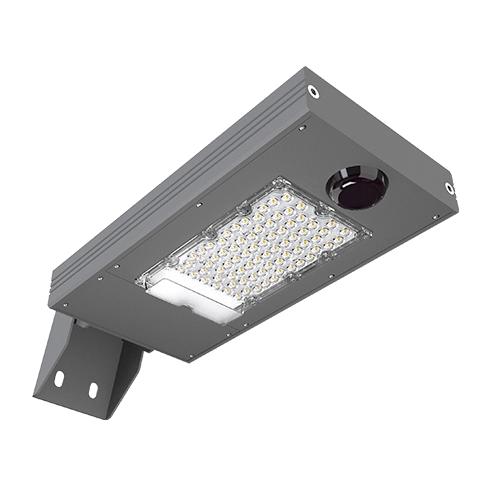
Motion Sensor: What “Detection“ Really Means Outdoors
A motion sensor does not “recognize people” like a camera. In most outdoor solar lighting, the sensor is designed to detect change, then trigger a lighting response. Think of it as a smart gatekeeper. When the environment stays stable, it keeps the light in a lower-power state. When movement creates a meaningful change pattern, it signals the controller to boost brightness.
For a Solar Sensor Street Light, this logic matters more than it does for a wired fixture. Solar products live on a daily energy budget. If the motion sensor triggers too often, energy is wasted and runtime suffers. If it triggers too late or misses movement, security and comfort suffer. That is why “motion sensor performance” is best evaluated as a balance of three outcomes: reliability, selectivity, and efficiency.
How Motion Sensors Detect Movement in a Solar Sensor Street Light
Most solar wall lights and street lights use a sensor principle that monitors a detection zone and looks for meaningful changes. Practically, the sensor watches a space in front of the luminaire. When a moving object crosses the zone, the sensor outputs a signal. The controller then decides what lighting mode to run.
Detection is not only about the sensor chip. It is also about geometry and environment. Movement that cuts across the sensor zone is easier to detect than movement straight toward it. A person walking across a yard often triggers more consistently than a person approaching from a narrow angle. This is why installation direction and mounting angle matter.
From a beginner’s perspective, you can treat motion detection like a “coverage plan”:
✓ Coverage zone: where the sensor is able to notice change
✓ Approach path: where people actually walk
✓ Trigger rule: how the system decides to brighten the LED
✓ Energy rule: how long it stays bright, and how it returns to a low-power mode
When those four elements align, your Solar Sensor Street Light feels “smart.” When they do not, it feels random.
Why Motion Sensor Settings Are a Battery Strategy (Not Just a Security Feature)
The biggest misunderstanding in motion sensor lighting is thinking the sensor only improves safety. In solar systems, the sensor is also an energy manager. It decides when the luminaire should spend more power for visibility and deterrence, and when it should conserve power for the rest of the night.
That is where controller design becomes important. Dawn Lighting integrates MPPT smart solar control to improve charging efficiency, which helps the system maintain a healthier energy reserve. In simple terms, better charging performance increases the chance that the Solar Sensor Street Light can deliver strong light output during motion events even when sunlight is weaker or inconsistent.
When buyers ask why some solar motion lights feel strong for a week and then become dim, the answer is often not “LED quality.” It is usually a chain issue: charging variability, poor mounting angle, shading, and overly aggressive motion-trigger behavior. Motion sensor technology must be paired with a charging strategy that supports it.
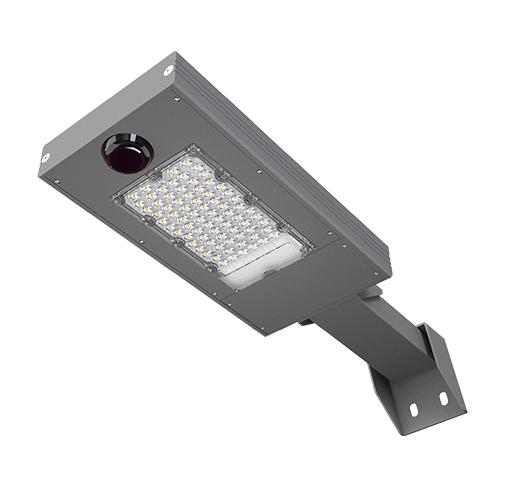
Motion Sensor Problems New Buyers See and How to Fix Them
Outdoor detection issues are predictable once you know what to look for. Most complaints fall into two categories: false triggers or missed triggers. Both are usually solved with installation choices and sensible settings rather than replacing the product.
False Triggers Explained (And How to Reduce Them)
False triggers happen when the sensor detects changes you do not care about. Common causes include hot air movement, reflective surfaces, and “busy backgrounds” near the detection zone.
Use these practical fixes:
✓ Aim the sensor away from HVAC vents, exhaust fans, or heat sources that create moving warm air
✓ Avoid pointing the sensor toward shiny walls, glass, or water surfaces that can create confusing reflections
✓ Keep the detection zone away from swaying branches or hanging objects that move in wind
✓ If the site is near a road, angle the light to reduce detection of traffic movement
The goal is not to “make it less sensitive.” The goal is to make it sensitive to the right area.
Missed Triggers Explained (And How to Improve Detection)
Missed triggers usually come from poor geometry. The sensor may be aimed too high, too low, or away from the path people actually use.
Try these checks:
✓ Confirm the sensor faces the approach path, not the empty open space
✓ Adjust mounting angle so movement crosses the sensor zone more directly
✓ Avoid installing behind columns, deep eaves, or decorative screens that block the zone
✓ Test by walking across the zone, then walking toward it—both patterns matter
A well-aimed Solar Sensor Street Light should respond consistently with normal walking speed, not only with exaggerated movement.
Using Real Specs to Understand Motion-Based Lighting Behavior
Specifications matter when they explain user outcomes. For motion sensor solar lighting, you want enough brightness for “active moments” and a system that can sustain that behavior through the night.
For example, Dawn Lighting’s integrated outdoor solar security wall light is rated at:
✓ 2517 lm luminous flux: supports clear visibility when motion triggers a high-output response
✓ 15 W power: a practical balance for security lighting without oversizing the system
✓ IP65 rating: important for outdoor reliability in rain, dust, and splashing conditions
These numbers are not just marketing. They tell you the luminaire has the capability to deliver meaningful light when the motion sensor decides it is needed. However, capability still depends on setup. If the panel is shaded or the sensor is aimed poorly, the best specs cannot save the experience.
How Dawn Lighting Builds Motion Sensor Solar Lighting for Practical Use
From a manufacturer’s viewpoint, the best motion sensor technology is the one that stays dependable after installation. Turning system engineering into customer value:
• All-in-one integration reduces mismatch risk across solar, battery, LED, controller, and enclosure
• MPPT smart control maintains optimal charging despite changing sunlight and battery conditions
• Modular design makes maintenance straightforward—replace key parts faster
• Flexible wall mounts let installers set correct angles and avoid shade, improving charging and detection
For buyers, the advantages are concrete and actionable. They translate into fewer callbacks, less “why is it doing that?” confusion, and more consistent security lighting behavior.
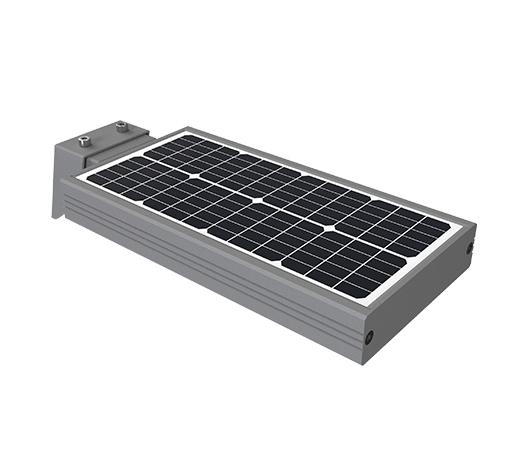
CTA: If you are choosing a Solar Sensor Street Light for entrances, perimeter walls, walkways, or utility areas, Dawn Lighting can help you map the detection zone before you install. Share your mounting height, site photos, and typical daily sunlight exposure, and we will recommend a motion-sensor setup that reduces false triggers while keeping runtime stable.


- 10 Meters Lamp Post
- 10 Meters Pole
- 1000w Led Projector
- 100W LED Tunnel Light
- 12 Meters Lamp Post
- 12 Meters Pole
- 1200w Led Projector
- 15 Light Pole
- 1500w Led Projector
- 150W LED Tunnel Light
- 1800w Led Projector
- 2 In 1 Solar Flood Light
- 200w Led Tunnel Light
- 50w Led Tunnel Light
- 6 Meters Lamp Post
- 6 Meters Pole
- 8 Meters Lamp Post
- 8 Meters Pole
- 800w Led Projector
- 80w Led Tunnel Light
- Colourful Decorative Light
- Conical post
- Courtyard Lamp
- courtyard light
- courtyard lighting fixture
- Decorative Landscape Light
- Decorative road Light
- Flood Light For Courtyard
- Flood Light for Garden
- Flood Light For Outdoor
- Foot Led High Bay Lights
- high bay led lights 100w
- industrial lampshade
- industrial LED shed lights
- industrial magnifying glass with light
- Integrated Solar Flood Light
- led courtyard lamp
- led courtyard light
- led high bay light 100w
- LED Projector For Stadium
- Led UFO High Bay 150W 5000k
- Lighting Plants Mining Price
- Maintenance Free LED Street Light
- Pic Controlling Tunnel Light
- PLC controlling tunnel light
- Post Top Garden Light
- RGB Landscape Light
- Rgbw Decorative Light
- Smart Tunnel Light
- solar courtyard lamp
- solar courtyard light
- Solar LED Road Light
- Solar Street Light For 10 Meter Pole
- Solar Street Light For 12 Meter Pole
- Solar Street Light For 6 Meter Pole
- Solar Street Light For 8 Meter Pole
- Split Type Solar Flood Light
- Sporting Projector
- Stadium Led Projector
- Street Lighting Post
