
 Request A Quote

Waterproof Garden Light: Designing for Rain, Soil, and Real Landscapes
 FACEBOOK
 TWITTER
 LINKEDIN
A waterproof garden light is not a “sealed” object that can be put anywhere, but is part of an outdoor system. The service life will vary according to the IP rating, drainage, cable route, connector location, and mounting method/plant clearance.
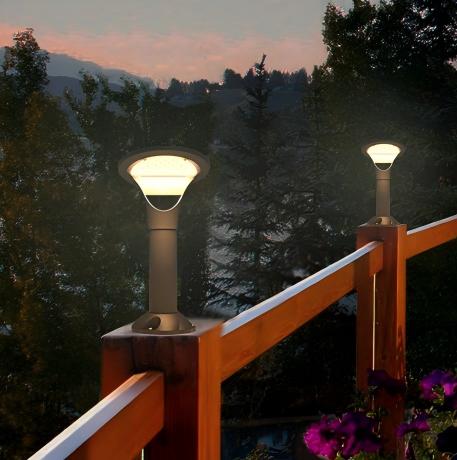
When looking for a fixture, be sure to ask them if they will be exposed to rain, irrigation jets, puddles, wet soil, buried wires or garden equipment. These conditions will dictate whether an IP65 and/or IP66 rating is appropriate and the type of mounting for the light.
Plan the garden NOT from a product page, but at night!
A good layout should:
- Provide guide paths, steps and changes in level
- Indicate trees, walls and entrances
- Provide well-lit, comfortable seating areas.
- Limit glare to windows and next door neighbours
- Provide access to wiring and connectors
- Allow space for drainage and plants to grow.
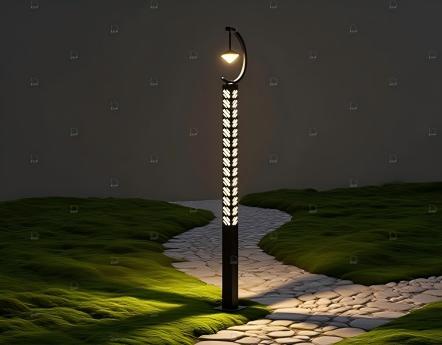
There is no one-size-fits-all fixture that can do all the jobs. The residential and garden lighting range should therefore be reviewed by application rather than by appearance alone. Post lights and garden lights can cover entrances and wider paths, while garden bollard lights are useful for controlled pathway lighting.
Select the night scene, then select the beam, mount position and electrical system. Appearance is a negative factor for selection – often has glare, dark steps or inaccessible joints.
Match the level of real exposure to an IP65 or IP66 rating
IP65 is regularly specified for fixtures that are subjected to dust, rain and any normal irrigation. An above-ground waterproof outdoor garden light may operate well at IP65. The rating should be for the tested enclosure (to include Glass, seals and cable gland).
Both ratings require that the diver not be permanently immersed. Recessed or low-lying fixtures require drainage as pooled water and mud can cause problems with seals and cable entries.
| Item | Project Data |
| 1. Site | Site: by project; area: ☑ Path ☑ Lawn ☑ Flower bed ☑ Steps ☑ Along walls; water exposure: ☑ Rain ☑ Irrigation □ Hose wash □ Standing water (site check). |
| 2. IP Rating | IP rating: by garden-light model; strong jets/wind-driven rain and short-term standing water: assess on site. |
| 3. Drainage | Soil drainage: site condition; drainage layer/material thickness: construction plan; finished fixture level: by project; post-rain standing-water duration: site condition. |
| 4. Power | System voltage: by project; total load: project value, W; transformer: project value, W; longest run: project value, m; cable size: electrical design. |
| 5. Buried Cable | Burial depth: local code; conduit: ☑ Yes (recommended); direct-burial cable: by project; joint location/sealing: installation and waterproofing requirements. |
| 6. Mounting | Mounting: ☑ Ground stake ☑ Base mount ☑ In-ground, by model; soil, stake length/foundation size, and impact risk: verify by site/project. |
| 7. Plant Clearance | Mature plant height/spread: landscape plan; fixture clearance: design; trimming cycle: by project; access to lens, drains, and joints: ☑ Yes. |
| 8. Controls | Target: landscape design; beam angle: by model; CCT: project value, K; control: ☑ Timer ☑ Zones ☑ Sensor; daily runtime: by project. |
Empty water tank before it gets to the fixture.
A higher catalogue rating isn’t always the most important factor in service life, as drainage will often be the deciding factor. An in-ground fitting should not be a subsoil tank.
Verify the permeability of the soil, the finished level and how water permeates. Install a drainage layer, sleeve or connected drain as needed and ensure that the lens is above the normal mud and mulch line.
Pave slope away from fitting. Avoid targeting cable glands with irrigation heads and prevent leaves or soil from obstructing irrigation heads.
Spike lights should be planted in well-drained soil and out of low areas. If the lights are to be supported by a base, make sure that the base pad remains stable so that rain cannot tip the beam or put the cable under strain.
Waterproofing needs to be considered as a total installation system:
Suitable housing, seal, cable gland, outdoor connector, drainage and stable mounting.
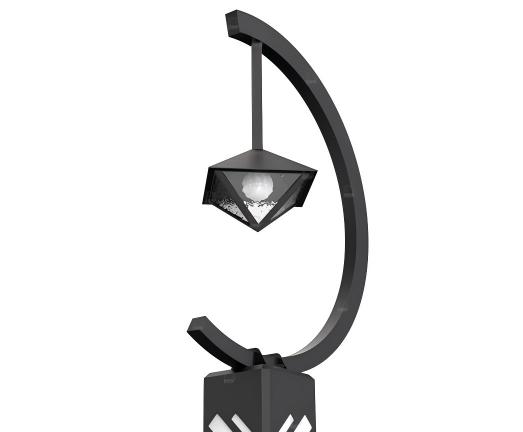
Prior to excavation, plan low voltage wiring.
Low voltage lighting can make it easier to install, but low voltage does not equal waterproof. All of the following should match to the place where the transformer is used: Transformer, cable, connector and fixture.
Check system voltage, total load, transformer size and longest cable before digging. Voltage drop may occur due to long runs, or in conductors that are too small.
Utilize outside or direct burial underground cable. If a conduit is necessary, verify its path, depth and drainage to prevent the conduit from bringing water into a joint box.
Avoid having too many buried joints. Do not tape under, pave or plant over indoor connectors, and connectors should be placed above normal water level or inside of accessible rated enclosures.
Make notes of cable routing, circuit demarcations, joint locations and fixture numbers for future trouble shooting.
Select buried bases and ground spikes for soil conditions
Ground spikes are for lighter adjustable lights, and are for firm soil. Do not use in areas where there is loose fill or in flooded beds or areas where lawn equipment is used.
Buried sleeves or concrete bases will provide better alignment for bollards or heavier fittings and will need to be accompanied by cable entry, access for drainage and maintenance.
Verify completed soil level. Lenses can be covered later by mulch as can drainage holes or ventilation paths.
Use of controlled warm light in lieu of more light
Where appropriate, use shielded beams and lower output and warm colour temps. Garden lighting must be used to illuminate the site and show garden paths and other garden features, but it should not level the garden.
Direct the light away from windows, seats and other properties. A row of bright fittings generally does not work as well as a few fixtures that are aimed correctly.
Make sure colours are consistent if multiple fixtures are used within a single scene.
Test representative fixtures due to the change in apparent brightness from foliage, stone and wet paving.
Give plants room to grow and garden activities to be carried out
Always plant clearance should be made based on mature growth. Lenses can be covered by shrubs, branches can intrude into beams and roots can shift buried cables or bases.
Note the height at maturity, spread and trimming. Ensure ample clearance to access covers, adjust brackets and reach connectors.
Don’t cut grass or use a mower, trimmer or shovel in areas where mowers, trimmers or shovels can hit the housing or cable path.
Seasonal pruning or new planting – review beam direction & drainage.
Utilize controls, avoiding excessive maintenance.
Timers and zones can maintain entrances and steps at full brightness while dropping the decorative layers to a dimmer brightness later.
Test branches, animal and rain/traffic motion sensors outside the property.
Mark control zones, so that when intentional dimming occurs it is not confused with a circuit failure.
Check following rains, watering and planting activities.
A wet soil, clogged drains or tension in buried cable cannot be simulated in a dry workshop test.
Upon installation, inspect for any stagnant water, condensation, loose bases, exposed cable, obstructed outlets, plant covered lenses, glare and dark steps. Repeat after heavy rains/irrigation changes.
Maintain photos and a maintenance log including cleaning and seal maintenance, access to connectors, plant clearance and circuit fault information.
More information can be found on the following related product pages: Residential & Garden Lighting; Bollard Light; Post Light/Garden Light; Waterproof Outdoor Garden Lights; IP65/IP66/IP67 Rating Guide.
Conclusion
The consistent waterproof garden light fixture includes proper drainage, protected low voltage wiring, proper burial/ground-stake details and planned plant clearance, plus a correct IP65/66 enclosure.
Maintain fixtures above standing water, maintain accessibility of the joints and ensure that the system remains serviceable beyond maturity of plants.
Ideally, a controlled and manageable layout which remains safe and comfortable year round due to rain, irrigation and seasonal growth.
FAQs
Q1. Which IP rating – IP65 or IP66 – is best for a garden light?
IP65 rating is for use in normal rain and irrigation. Select IP66 for high pressure jet streams, wind driven rain or wash down often.
Q2. Is it OK to leave an IP65 garden light in water?
Note: No. IP65 should not be used for drainage or permanent immersion. Recessed fixtures must have a way to escape the water.
Q3. What information would you require for low-voltage wiring?
Check voltage, total load, transformers size, longest cable run, size of conductors, location of connectors and burial.
Q4. Which is better: ground spike or buried base?
The spike fits to the lighter adjustable fittings. For heavier fixtures/bollards, a buried sleeve or base is more stable.
Q5. What can plants do to change the lighting in the garden?
Growth of mature plants can obstruct maintenance as well as blocking beams and trapping leaves. Check plant size and trimming access prior to installing.

- 10 Meters Lamp Post
- 10 Meters Pole
- 1000w Led Projector
- 100W LED Tunnel Light
- 12 Meters Lamp Post
- 12 Meters Pole
- 1200w Led Projector
- 15 Light Pole
- 1500w Led Projector
- 150W LED Tunnel Light
- 1800w Led Projector
- 2 In 1 Solar Flood Light
- 200w Led Tunnel Light
- 50w Led Tunnel Light
- 6 Meters Lamp Post
- 6 Meters Pole
- 8 Meters Lamp Post
- 8 Meters Pole
- 800w Led Projector
- 80w Led Tunnel Light
- Colourful Decorative Light
- Conical post
- Courtyard Lamp
- courtyard light
- courtyard lighting fixture
- Decorative Landscape Light
- Decorative road Light
- Flood Light For Courtyard
- Flood Light for Garden
- Flood Light For Outdoor
- Foot Led High Bay Lights
- high bay led lights 100w
- industrial lampshade
- industrial LED shed lights
- industrial magnifying glass with light
- Integrated Solar Flood Light
- led courtyard lamp
- led courtyard light
- led high bay light 100w
- LED Projector For Stadium
- Led UFO High Bay 150W 5000k
- Lighting Plants Mining Price
- Maintenance Free LED Street Light
- Pic Controlling Tunnel Light
- PLC controlling tunnel light
- Post Top Garden Light
- RGB Landscape Light
- Rgbw Decorative Light
- Smart Tunnel Light
- solar courtyard lamp
- solar courtyard light
- Solar LED Road Light
- Solar Street Light For 10 Meter Pole
- Solar Street Light For 12 Meter Pole
- Solar Street Light For 6 Meter Pole
- Solar Street Light For 8 Meter Pole
- Split Type Solar Flood Light
- Sporting Projector
- Stadium Led Projector
- Street Lighting Post
